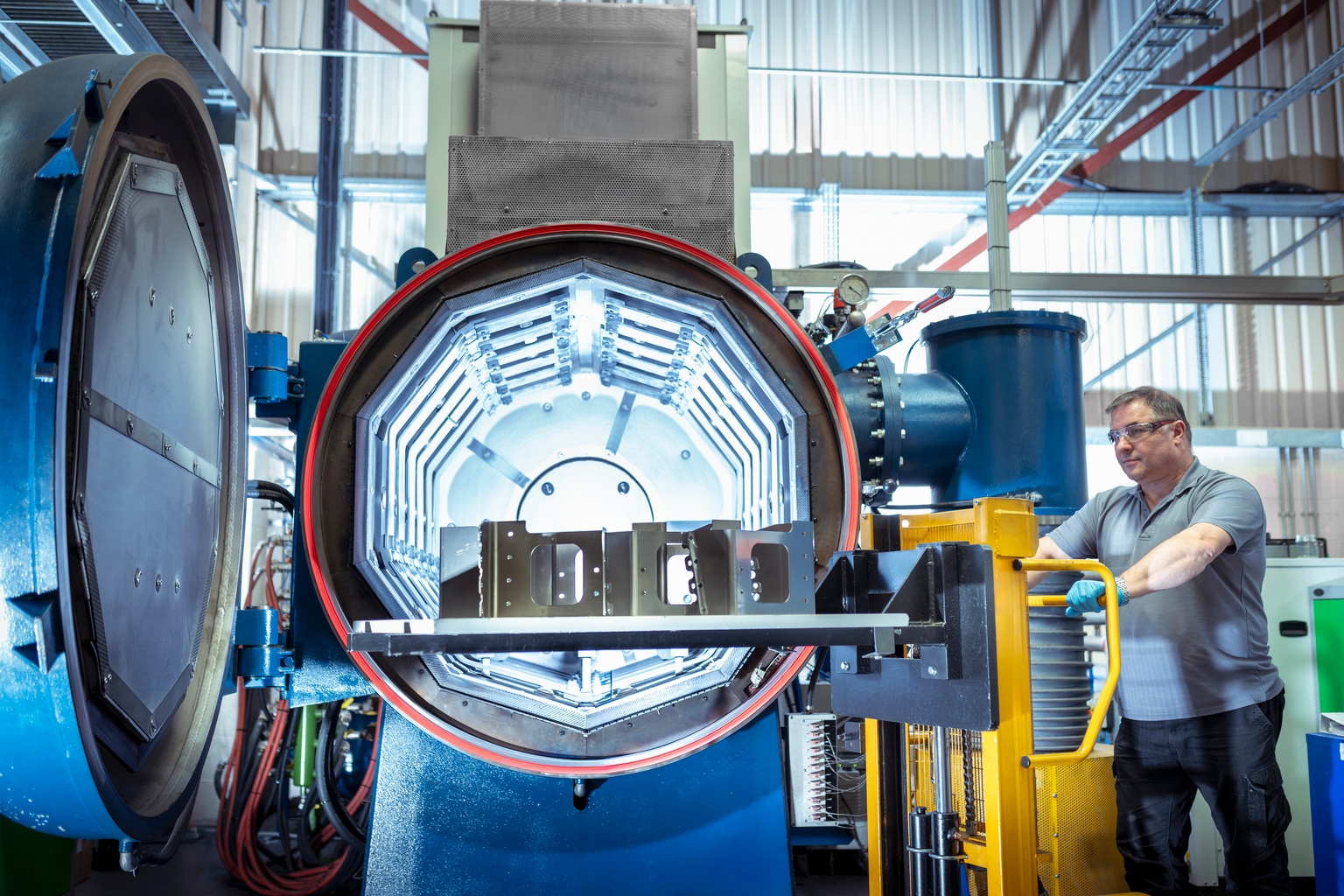
A Structural Shift in U.S. Industry
The Industrial Select Sector SPDR Fund (NYSEARCA: XLI) has recently retreated from its all-time highs, sparking a wave of profit-taking among short-term traders. However, for those looking beyond the immediate price action, this consolidation phase represents a compelling entry point into one of the most robust themes in the current market cycle: the structural transformation of the U.S. industrial base.
While market volatility often triggers knee-jerk reactions, the fundamental thesis driving the industrial sector—defense rearmament, domestic reshoring, and the massive electrification of the national grid—remains firmly intact. The XLI, which serves as the primary proxy for the U.S. industrial economy, is currently caught in a broader market rotation, but its long-term trajectory is underpinned by multi-year capital expenditure cycles that are only just beginning to bear fruit.
The Pillars of Industrial Growth
To understand why the current pullback in XLI is interpreted by institutional analysts as a tactical opportunity rather than a structural breakdown, one must look at the macro-drivers fueling the sector:
-
Defense Rearmament: Geopolitical instability and the imperative to modernize military hardware have created a sustained backlog for major defense contractors. As nations pivot toward increased security spending, the industrial firms tasked with manufacturing these systems are seeing record-level order books that provide high visibility into future revenue streams.
-
The Reshoring Narrative: The post-pandemic shift toward supply chain security has catalyzed a wave of "reshoring." U.S. corporations are increasingly bringing manufacturing capacity back to domestic soil. This trend is not merely a political talking point; it is reflected in the tangible surge of industrial construction spending and the demand for domestic machinery and automation technology.
- Electrification and Infrastructure: The ongoing transition toward a greener grid is a massive industrial undertaking. From the upgrade of aging electrical grids to the manufacturing of components necessary for renewable energy integration and electric vehicle infrastructure, industrial firms are at the center of the largest capital investment cycle in decades.
Market Implications: Why Timing Matters
For the active trader, the recent cooling of XLI is less about a change in sentiment and more about mean reversion after a period of aggressive appreciation. When a sector hits all-time highs, a period of consolidation is not only expected but healthy. It shakes out weak hands and allows for a more sustainable base to form.
Investors should monitor the support levels established during this retracement. If the structural thesis holds—and signs indicate that industrial orders remain robust—the current price level offers a favorable risk-reward ratio compared to buying at the absolute peak. The sector’s beta, which often mirrors the health of the broader economy, suggests that as long as the U.S. avoids a deep recession, industrial output will continue to benefit from these secular tailwinds.
Looking Ahead: What to Watch
Moving forward, market participants should keep a close eye on upcoming industrial production data and quarterly earnings reports from bellwether industrial holdings. Specifically, look for commentary regarding order backlogs and capital expenditure guidance for the coming fiscal year. Any indication that the current high-interest-rate environment is beginning to weigh on corporate expansion plans could present a headwind, but for now, the demand for industrial capacity remains sticky.
Ultimately, the XLI remains a primary vehicle for gaining diversified exposure to the "New Industrial Age." As the market digests recent gains, the current pullback should be viewed as a tactical opportunity for those who prioritize structural growth over short-term noise.