Hungary at a Crossroads: Peter Magyar’s Landslide Victory Signals End of Orban Era

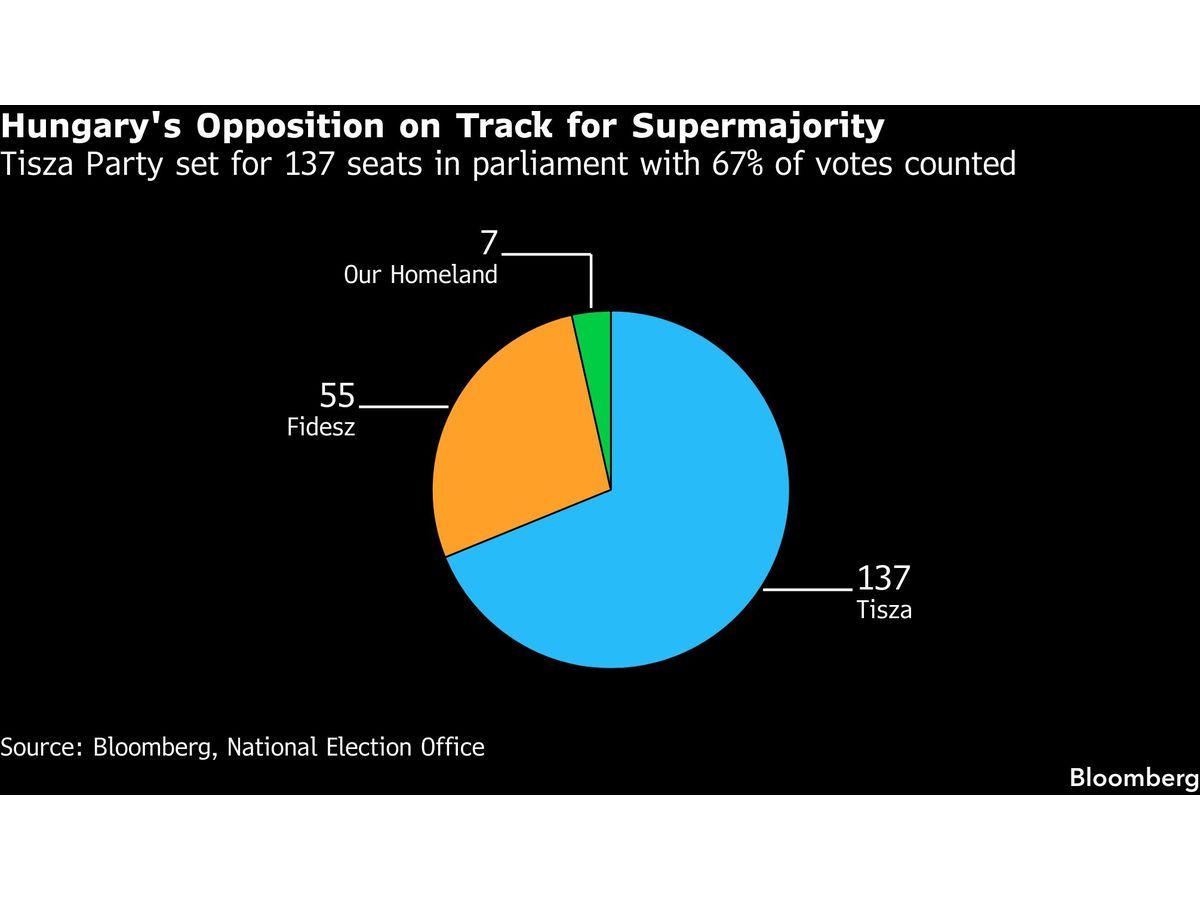
Peter Magyar has achieved a landslide victory in Hungary, ending Viktor Orban’s 16-year rule and signaling a potential shift in the nation's economic and political trajectory.
A Seismic Shift in Central European Politics
In a political earthquake that has stunned regional analysts and global investors alike, Peter Magyar has secured a decisive landslide victory in Hungary’s national election, effectively ending Viktor Orban’s 16-year tenure as Prime Minister. The outcome marks a fundamental pivot point for the nation, with Magyar’s mandate centered on a platform of sweeping institutional reform, transparency, and a recalibration of Hungary’s relationship with its European partners.
The election results represent more than just a change in leadership; they signal a potential departure from the populist-nationalist framework that defined the Orban era. As the dust settles, the international financial community is closely monitoring the transition, assessing how a new administration will navigate the complexities of EU funding, fiscal policy, and the rule-of-law disputes that have long pressured the Hungarian Forint (HUF).
Dismantling the Orban Legacy
Viktor Orban’s leadership, which began in 2010, was characterized by a consolidation of power that frequently placed Budapest at odds with Brussels. His policies often led to the freezing of billions of euros in EU cohesion funds, creating significant drag on the nation's economic potential. Magyar, who rose to prominence as a vocal critic of the established order, campaigned on a promise to dismantle the systemic influence of the outgoing administration.
"The era of uncertainty and isolation is over," Magyar stated in his victory address, emphasizing that his administration would prioritize the restoration of democratic norms to unlock frozen European funding. For traders and institutional investors, the primary concern remains the speed at which these reforms can be implemented. The restoration of trust with the European Commission is seen as the prerequisite for stabilizing the long-term outlook for the Hungarian economy.
Market Implications and Investor Sentiment
For the global investor, Hungary has long been viewed as a high-beta play on Central European geopolitics. The volatility associated with the Orban administration—often driven by sudden policy shifts and clashes with the ECB or EU—has historically kept risk premiums high.
A new government under Magyar suggests a potential normalization of relations with the European Union. Should the administration succeed in securing the release of withheld funds, the impact on local capital markets could be substantial. A reduction in the risk premium associated with Hungarian sovereign debt, coupled with a potential strengthening of the Forint against the Euro (EUR/HUF), is the primary bull case for the region.
However, the path forward is not without risks. Institutional reform is rarely a frictionless process. Investors should remain cautious regarding the potential for short-term fiscal instability as the new government audits the previous administration's books and manages the transition of power. The sensitivity of the Hungarian economy to energy prices and broader Eurozone growth remains a constant factor that no amount of political change can fully insulate.
The Road Ahead: What Traders Should Watch
As Magyar prepares to assume the premiership, market participants will be looking for three key indicators:
- Cabinet Appointments: The selection of a Finance Minister and Central Bank liaison will signal whether Magyar intends to pursue orthodox fiscal responsibility or populist spending measures.
- Brussels Negotiations: The speed and substance of dialogue between Budapest and the European Commission regarding the release of frozen funds will be the most critical driver of currency volatility.
- Monetary Policy Stance: Any shift in the relationship between the government and the National Bank of Hungary will be scrutinized for signs of interference or renewed cooperation.
The transition of power in Budapest is a rare opportunity for a structural reset. While the landslide victory provides a strong mandate, the challenge of reversing 16 years of policy consolidation will test the resilience of both the new government and the Hungarian markets. Traders should expect elevated volatility in the HUF as the market prices in the transition, with a watchful eye on any communique from the European Central Bank regarding Hungary’s status.