Macro● Neutral
India-UAE Security Pact Signals Stability Amid West Asia Risks
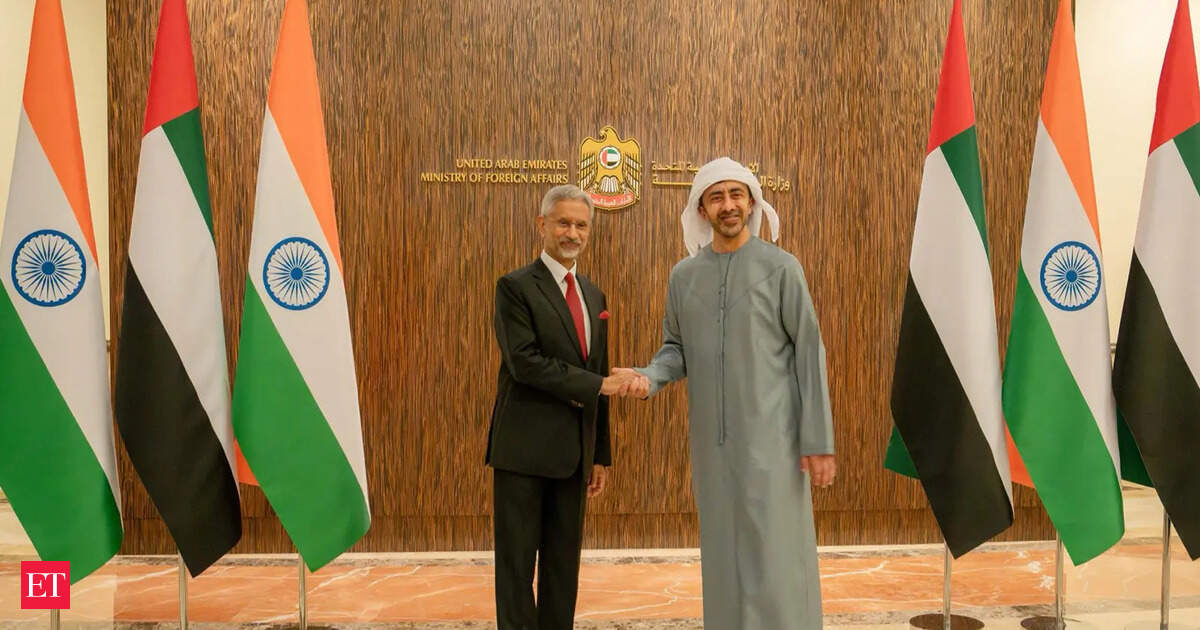
Deepening diplomatic ties aim to insulate the India-UAE trade corridor from regional volatility. Watch for joint maritime security as a key bullish signal.
Continue with
Strategic Alignment in a Volatile Region
External Affairs Minister S. Jaishankar’s high-level visit to Abu Dhabi this week marks a significant intensification of diplomatic engagement between New Delhi and the United Arab Emirates. Amidst a backdrop of heightened regional instability in West Asia, Jaishankar met with UAE Deputy Prime Minister and Minister of Foreign Affairs, Sheikh Abdullah bin Zayed Al Nahyan, to address the shifting security landscape and reinforce the bilateral Comprehensive Strategic Partnership.
For investors and geopolitical analysts, this meeting is more than a routine diplomatic exchange. It signals a coordinated effort by two of the region's most influential partners to safeguard economic corridors and energy security in an increasingly fragmented global environment. The discussions centered on the multifaceted challenges currently plaguing West Asia, underscoring the urgency for both nations to maintain a stable, predictable framework for their growing trade and investment ties.
Strengthening the Comprehensive Strategic Partnership
Since the formalization of the India-UAE Comprehensive Strategic Partnership, the two nations have seen a rapid expansion in economic cooperation, ranging from digital infrastructure and fintech to renewable energy and defense manufacturing. The meeting between Jaishankar and Sheikh Abdullah bin Zayed served to stress-test this partnership against the current geopolitical headwinds.
India, as one of the UAE’s largest trading partners, remains deeply invested in the long-term stability of the Gulf region, which serves as a critical artery for its energy imports and a massive hub for its expatriate workforce. By aligning their viewpoints on West Asia’s security, both countries are signaling a commitment to insulating their bilateral economic progress from the volatility ripples caused by ongoing regional conflicts.