Macro● Neutral
India Secures Mauritius Energy Ties Amid West Asia Volatility
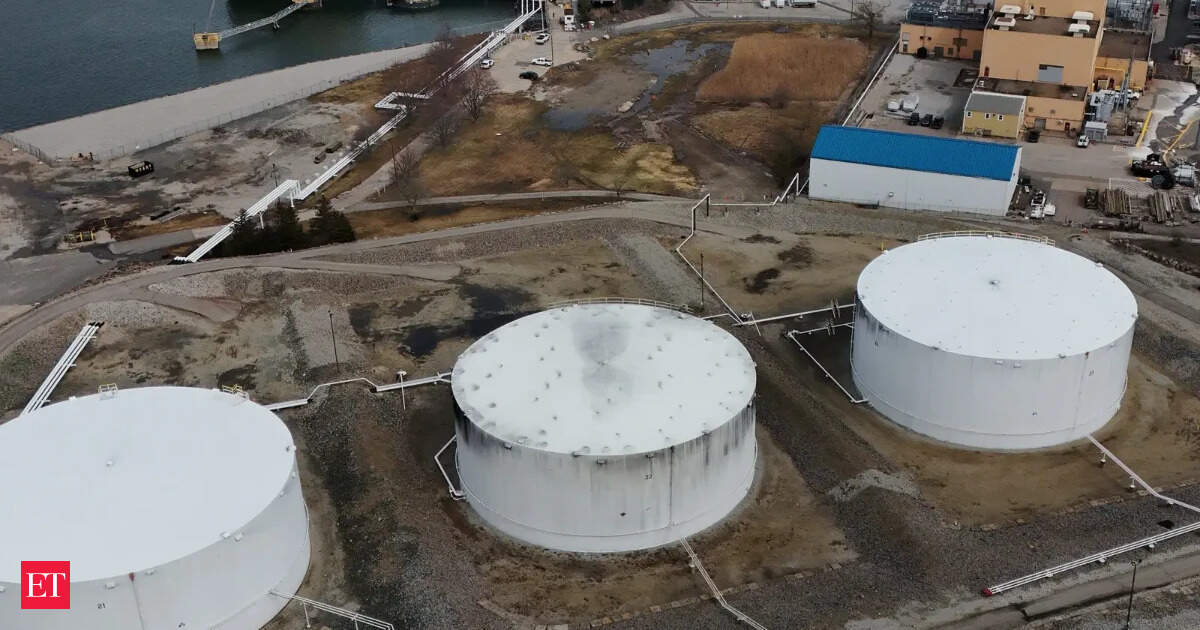
New Delhi formalizes a G2G deal to supply oil and gas, shielding Mauritius from supply shocks. This pivot signals a long-term shift toward regional stability.
Continue with
Strategic Energy Pivot
In a move underscoring India’s growing role as a regional security guarantor in the Indian Ocean, External Affairs Minister S. Jaishankar announced that New Delhi is in the final stages of formalizing a government-to-government (G2G) agreement to supply oil and gas to Mauritius. The initiative is designed to insulate the island nation from the acute volatility currently plaguing global energy markets, a direct consequence of the intensifying conflict in West Asia.
As the geopolitical landscape in the Middle East remains fraught with instability, supply chain disruptions and the threat of maritime volatility have forced nations dependent on energy imports to seek more reliable, strategic partnerships. For Mauritius, a country heavily reliant on imported fossil fuels, India’s intervention serves as a critical buffer against potential supply shocks that could otherwise lead to inflationary domestic pressure.
Beyond Fossil Fuels: A Green Transition
While the immediate focus remains on securing hydrocarbon supplies, the bilateral agreement is not strictly limited to traditional energy sources. Minister Jaishankar emphasized that India is actively collaborating with the Mauritian government on clean energy infrastructure. Specifically, the partnership includes the development of a floating solar power plant—a project that highlights Mauritius' urgent need to diversify its energy mix to mitigate long-term climate risks and reduce dependency on volatile global oil markets.
This dual-track approach—securing immediate energy needs while investing in sustainable infrastructure—reflects a broader shift in Indian foreign policy. New Delhi is increasingly positioning itself as a provider of 'net security' in the Indian Ocean Region (IOR), utilizing its diplomatic and economic leverage to stabilize the economies of its maritime neighbors.