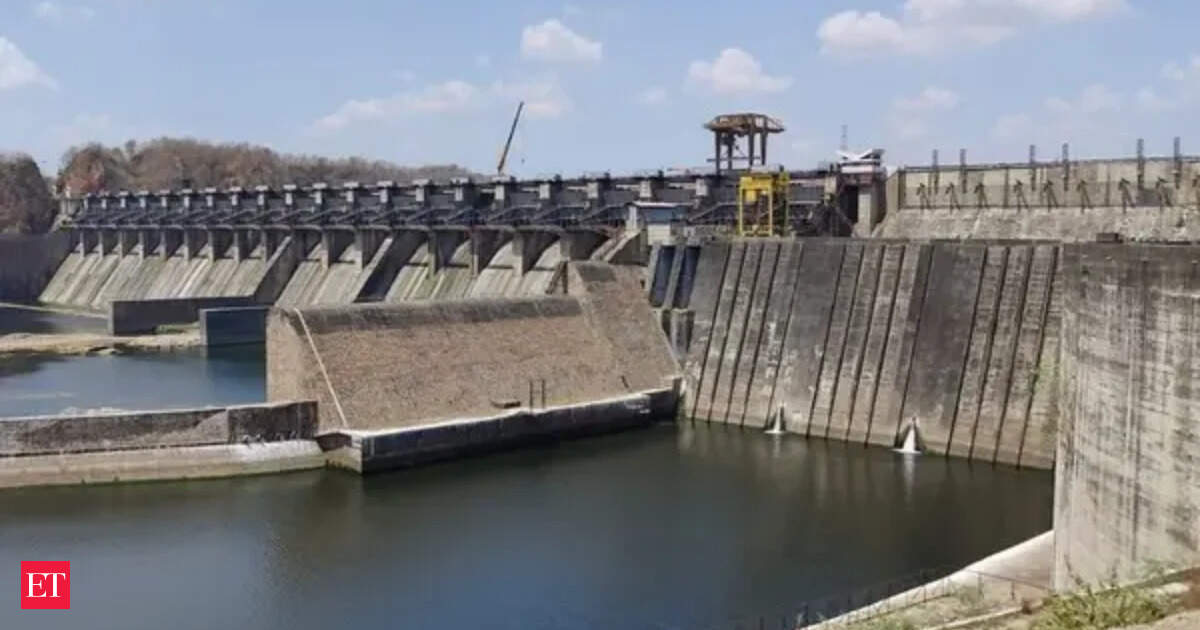
A Record-Breaking Fiscal Year for Karnataka Power
Karnataka Power Corporation Limited (KPCL) has officially etched its name into the history books for the 2025-26 fiscal year, reporting a record-breaking generation of 15,509 million units of hydropower. This milestone marks a significant acceleration in the state’s utility output, effectively eclipsing the previous benchmark established just one year prior in 2024-25.
For energy markets and industrial observers, this performance is more than just a statistical high; it represents a critical stabilization factor for the regional power grid. By maximizing renewable output, KPCL has demonstrated a heightened capacity to meet the state’s escalating power demand while reducing reliance on thermal-based alternatives, which often carry higher operational costs and environmental overhead.
The Catalysts: Operational Excellence Meets Favorable Climate
The surge in generation did not occur in a vacuum. According to company reports, two primary drivers facilitated this record-breaking output: sustained, favorable rainfall patterns and a proactive shift in maintenance protocols.
Hydropower generation is inherently sensitive to hydrological cycles, and the 2025-26 period benefitted from robust water storage levels across the state’s catchment areas. However, nature alone is rarely sufficient to ensure record-setting performance. KPCL’s management emphasized that the implementation of enhanced maintenance practices played a decisive role. By optimizing the uptime of turbines and addressing mechanical bottlenecks through modernized preventative maintenance, the corporation was able to ensure that its facilities were positioned to capitalize on the available water resources fully.
Several key hydropower stations across Karnataka were highlighted as top performers in this cycle, acting as the backbone of the state’s energy supply during peak load hours. This consistent delivery is particularly vital in a landscape where industrial demand continues to climb, placing pressure on utility providers to maintain base-load reliability.
Market Implications and Regional Energy Stability
For investors and stakeholders tracking the energy sector, KPCL’s success story carries broader implications. Reliable and abundant hydropower serves as a hedge against the volatility often seen in coal and natural gas markets. As Karnataka continues to solidify its position as a major industrial and technological hub, the security of its power supply is a primary metric for economic health.
By surpassing the 2024-25 records, KPCL has effectively lowered the cost profile of the state’s energy mix for the year. This is a critical development for local manufacturing and industrial sectors that rely on predictable energy pricing to maintain margins. Furthermore, the ability to scale output through improved operational efficiency—independent of capital-intensive new construction—suggests a mature management strategy that focuses on maximizing the existing asset base.
Looking Ahead: Sustaining the Momentum
The energy sector is increasingly focused on the transition to sustainable grids, and KPCL’s recent performance provides a blueprint for how state-run entities can leverage legacy infrastructure to meet modern demand peaks.
Moving forward, analysts will be watching to see if these maintenance efficiencies can be institutionalized to maintain this elevated level of output despite potential fluctuations in rainfall in future cycles. With the 2025-26 record now firmly in place, the benchmark for the upcoming fiscal year has been set significantly higher, placing pressure on the corporation to continue its trajectory of operational excellence. The focus will now shift to whether these gains in efficiency can be replicated across the broader portfolio to further insulate the state against energy price shocks.