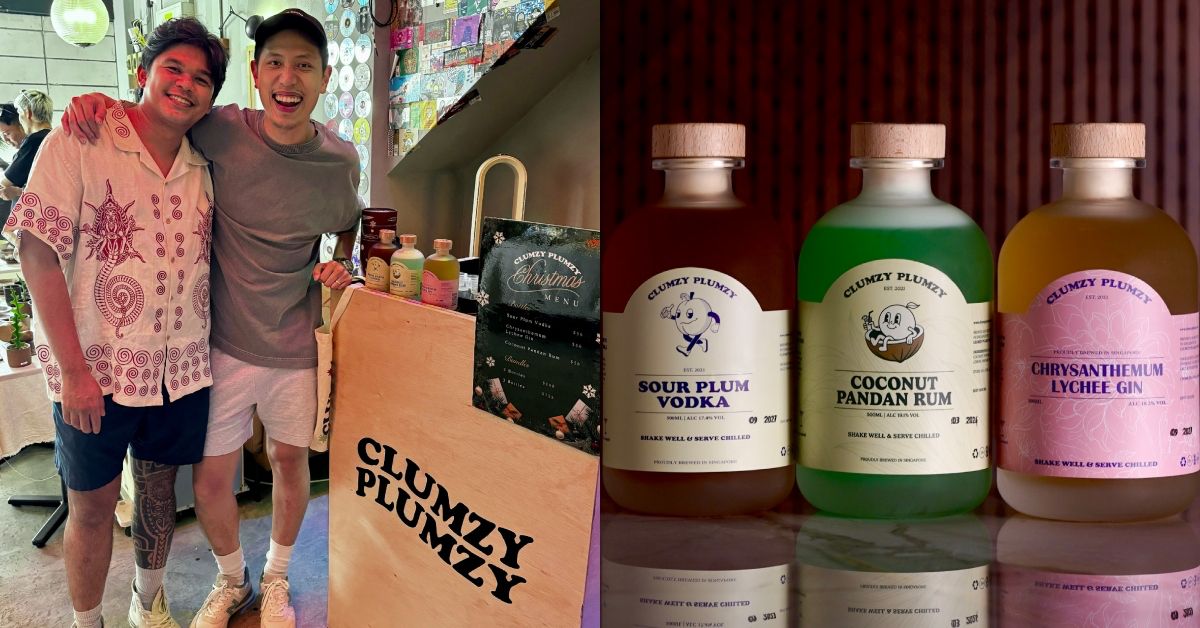
How a Sour Plum Vodka Startup Hit S$1 Million in Revenue Through Product Differentiation

A boutique spirits brand has reached S$1 million in revenue by betting that consumers are tired of conventional liquor options. The company now produces 1,800 bottles monthly to meet demand for unique flavor profiles.
A Pivot from Home-Brewed Spirits to Commercial Success
What began as a kitchen experiment with sour plum vodka has transformed into a S$1 million business. The founders identified a clear gap in the local spirits market, noting that consumers were not necessarily drinking less, but were instead suffering from brand fatigue. The core problem was a lack of variety on retail shelves, which pushed them to launch their own label.
Today, the operation has scaled to a production capacity of 1,800 bottles per month. By focusing on flavor profiles that diverge from traditional, mass-market offerings, the brand has tapped into a demand for novelty that larger incumbents often overlook.
The Economics of Craft Spirits
The business model relies on a lean production cycle that favors quality and uniqueness over volume. While many market analysis reports focus on the dominance of global conglomerates, this startup proves that niche players can capture significant wallet share by addressing the boredom factor in consumer purchasing habits.
Scaling Production Metrics
| Metric | Current Output |
|---|---|
| Monthly Bottle Production | 1,800 units |
| Revenue Milestone | S$1,000,000 |
| Core Product Focus | Sour Plum Vodka |
Consumer Psychology and Market Positioning
Investors often underestimate how much 'sameness' hurts brand loyalty in the beverage sector. The founders realized that the market was saturated with standard spirits, leading to stagnant growth for uninspired brands. Their approach centers on the idea that modern drinkers are actively seeking alternatives to the status quo.
"People aren’t drinking less, they’re bored of sameness."
This sentiment reflects a broader trend seen across the commodities and consumer goods sectors, where product differentiation acts as the primary driver of value. For traders, this highlights the necessity of monitoring smaller, agile companies that disrupt established consumer staples.
Future Growth and Market Outlook
Maintaining a volume of 1,800 bottles while ensuring consistency is the next hurdle. The founders are now looking at how to maintain their craft appeal while managing increased demand. If the company continues to see success, it could serve as a case study for how localized, flavor-forward brands can compete against larger, more expensive competitors.
Those interested in the gold profile or other hedge-style assets might find this shift toward consumer-led innovation instructive. When consumers stop buying the same products, market share shifts rapidly. Watch for whether this brand expands its distribution channels or introduces new flavor variations to maintain its current momentum.