Macro● Neutral
Trump Military Warning to Iran Sparks Global Market Volatility
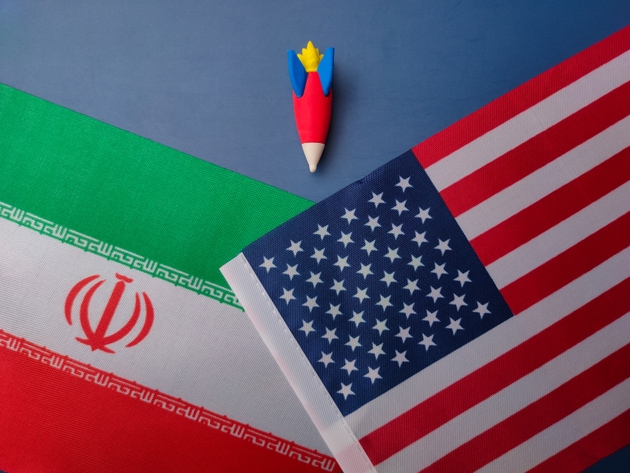
U.S. warships reload munitions as peace talks in Pakistan stall. Expect volatility in CL and XAU/USD as investors weigh kinetic conflict against diplomacy.
Continue with
Escalating Tensions in the Middle East
Geopolitical risk premiums are once again surging as President Donald Trump issued a stern warning regarding the ongoing diplomatic impasse with Iran. In a development that has sent ripples through global markets, the President stated on Friday that the United States is actively preparing its military posture, noting that U.S. warships are currently being reloaded with advanced munitions. According to a report by The New York Post, the President characterized these assets as the “best ammunition” and the “best weapons ever made,” signaling a clear readiness to resume strikes should current diplomatic efforts—specifically peace talks in Pakistan—fail to yield results.
This rhetoric marks a significant shift in the tone of U.S.-Iran relations, moving from a period of relative atmospheric quiet back into a phase of overt military posturing. For traders and institutional investors, the statement serves as a stark reminder of the volatility inherent in the Middle East, a region that remains the primary bottleneck for global energy supply chains.
The Strategic Calculus of Military Readiness
The President’s emphasis on the technical superiority of the U.S. arsenal is not merely a diplomatic signal; it is a tactical message intended to apply maximum pressure on Tehran. By highlighting the replenishment of naval armaments, the administration is underscoring its capability to project power in the Persian Gulf and surrounding maritime corridors with minimal notice.
Historically, market participants have viewed such threats through the lens of supply-side disruption. Any escalation in military activity in the Strait of Hormuz—the world’s most critical chokepoint for oil transit—typically triggers immediate, reflexive rallies in energy prices. When the executive branch explicitly outlines a timeline contingent on the failure of specific diplomatic channels, such as the ongoing Pakistan-based negotiations, the market is forced to price in a binary outcome: either a de-escalation that stabilizes regional risk or a kinetic military conflict that could threaten global trade routes.