Macro● Neutral
UK Vegetable Prices Surge as Middle East Conflict Disrupts Supply
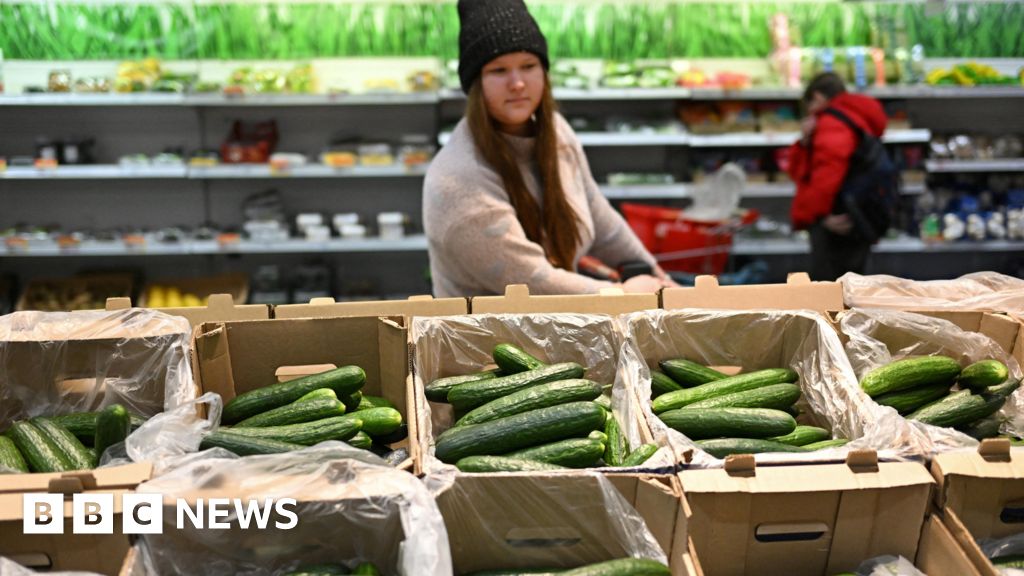
Rising costs for tomatoes and peppers threaten to fuel UK inflation, complicating Bank of England policy. Watch retail margins as supply chain risks mount.
Continue with
A Supply Chain Under Pressure
The ripple effects of geopolitical instability have migrated from the energy markets to the grocery aisles, as UK consumers face a sharp uptick in the cost of essential salad vegetables. The ongoing conflict in the Middle East—a critical supply hub for fresh produce during the winter months—is causing significant disruption to the availability and pricing of tomatoes, cucumbers, and peppers.
As major exporters in the region grapple with the logistics of conflict, the UK retail sector is feeling the strain. For traders and market observers, this development serves as a stark reminder of how localized geopolitical crises can rapidly inflate food price indices and exacerbate broader inflationary pressures, which have already been a primary concern for the Bank of England’s monetary policy committee.
The Anatomy of the Price Hike
The current supply crunch is driven by a combination of damaged infrastructure, labor shortages, and logistical bottlenecks in countries that typically satisfy a large portion of UK demand during the off-season. When regional stability wavers, the immediate casualty is the “just-in-time” supply chain model that supermarkets rely on to keep prices competitive.
Historically, the UK has been heavily reliant on Mediterranean and Middle Eastern imports to bridge the gap in domestic production during the winter. When these transit routes are compromised or production is halted, the cost of procurement spikes. These costs are inevitably passed down to the consumer, leading to the current inflationary environment for salad staples. The price volatility observed in tomatoes, cucumbers, and peppers is not merely a seasonal fluctuation; it is a direct reflection of the heightened risk premium being priced into agricultural commodities.