Geopolitical Tensions Persist: Russia and Ukraine Agree to Orthodox Easter Truce Amid Calls for Escalated Sanctions

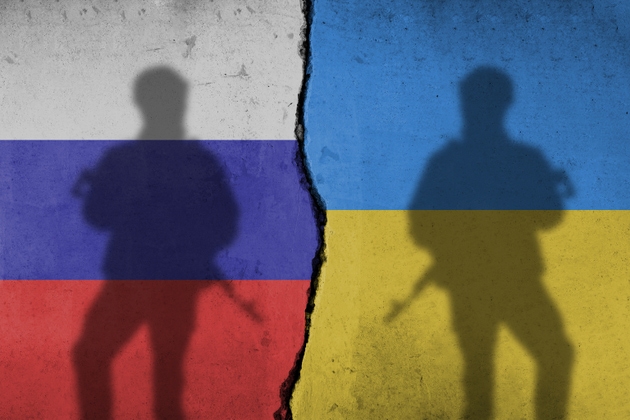
Russia and Ukraine have declared a two-day Orthodox Easter ceasefire, even as President Zelenskyy pressures the U.S. to intensify sanctions on Russian oil exports.
A Fragile Pause in Hostilities
In a rare moment of diplomatic alignment amidst a protracted conflict, Russia and Ukraine have reached an agreement to observe a two-day ceasefire in honor of the Orthodox Easter holiday. The temporary cessation of hostilities is intended to provide a brief window of stability, allowing for humanitarian considerations during one of the most significant religious observances in the region. While the truce offers a fleeting respite from the kinetic activity that has defined the conflict for over a year, market participants remain wary of its long-term durability.
Zelenskyy Pushes for Harder Economic Lines
Despite the holiday-driven lull in frontline combat, the diplomatic front remains anything but quiet. Ukrainian President Volodymyr Zelenskyy has utilized the current period of international attention to intensify his rhetoric regarding economic warfare. In a direct appeal to the international community, Zelenskyy has urged the United States and its Western allies to implement a more aggressive sanctions regime, specifically targeting Russia’s energy sector.
Zelenskyy’s push for renewed sanctions on Russian oil is part of a broader strategy to choke the Kremlin’s primary revenue stream, which continues to fund the Russian military machine. By advocating for a tighter squeeze on the energy markets, Kyiv aims to force a structural shift in the global supply chain that would isolate Russian crude and petroleum products, regardless of the potential for increased market volatility.
Market Implications and Supply Chain Risks
For traders and macro-strategists, the intersection of a short-term ceasefire and the threat of further energy sanctions presents a complex risk profile. Historically, news of humanitarian truces often leads to a temporary relief rally in risk assets, as investors hope for a de-escalation of the broader conflict. However, the prospect of renewed sanctions creates an asymmetric risk for energy prices.
Should the U.S. heed the call for expanded oil sanctions, the immediate impact would likely be felt in the Brent and WTI crude oil benchmarks. Further restrictions on Russian exports could tighten global supply, potentially driving a spike in energy costs that would complicate the inflation outlook for central banks already struggling to balance growth and price stability. Traders should monitor the U.S. Treasury’s Office of Foreign Assets Control (OFAC) for any formal announcements regarding potential additions to the sanctions list, as these could trigger sudden liquidity gaps in energy-linked ETFs and commodity futures.
Navigating the Volatility
While the two-day ceasefire may provide a technical floor for some regional assets, the underlying geopolitical reality suggests that the volatility premium will remain elevated. The market is currently pricing in a "wait-and-see" approach, with institutional desks closely monitoring whether the truce holds beyond the 48-hour window.
Looking ahead, the primary focus for market participants will be the consistency of Western policy toward Russian energy. If the U.S. moves to adopt the measures requested by President Zelenskyy, we could see a significant re-pricing of energy-dependent industrial stocks and a potential shift in currency pairs sensitive to commodity price fluctuations. Investors should maintain defensive positioning and prioritize high-liquidity assets until the geopolitical landscape offers more clarity on the future of sanctions and the sustainability of the current ceasefire.