Macro● Neutral
Putin Declares 32-Hour Ukraine Ceasefire: Market Implications
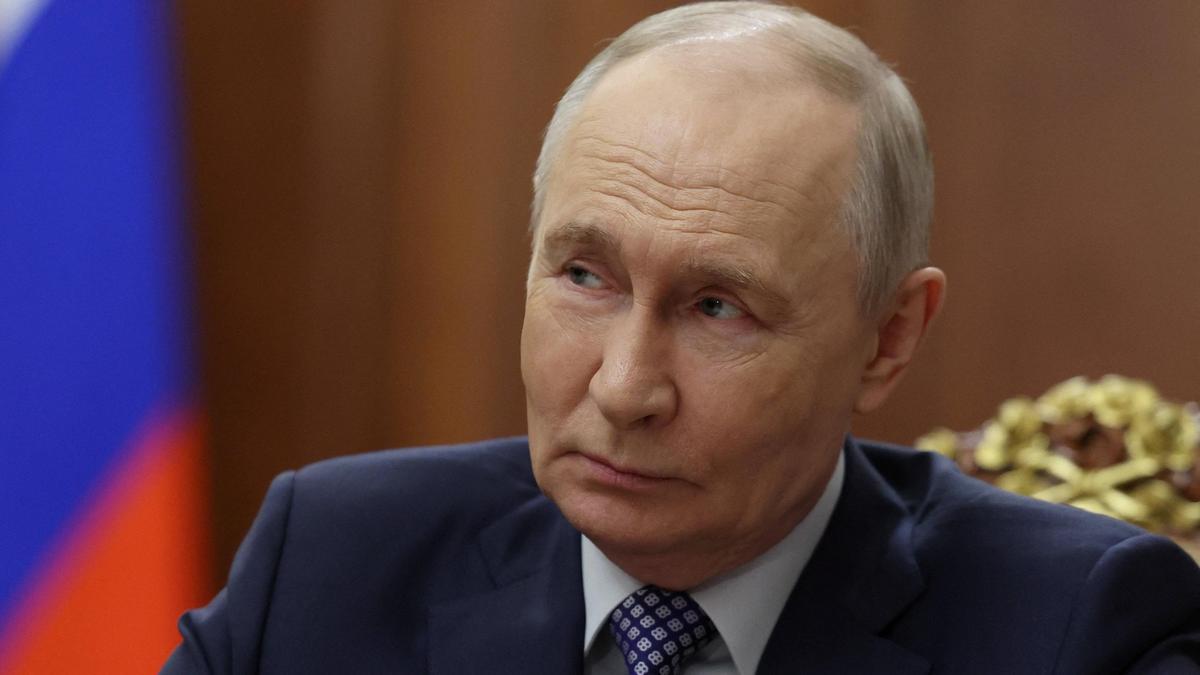
The rare 32-hour pause in hostilities triggers cautious sentiment across energy and commodity markets. Investors watch for potential diplomatic follow-ups.
Continue with
A Rare Diplomatic Opening
In a development that has caught global markets and geopolitical analysts off guard, Russian President Vladimir Putin has announced a unilateral 32-hour ceasefire in Ukraine to coincide with the period of Orthodox Easter. The move, which marks a rare departure from the relentless pace of kinetic military operations that have defined the conflict for over a year, follows an explicit appeal from Ukrainian President Volodymyr Zelensky for a humanitarian pause during the sacred holiday.
While the duration of the cessation—a precise 32-hour window—is relatively brief in the context of a high-intensity, long-term conflict, the announcement represents a significant shift in the strategic communication emanating from the Kremlin. Traders and institutional investors have long been wary of the volatility associated with sudden escalations in the Eastern European theater, and any signal of a cooling-off period, however temporary, is being parsed for its potential impact on supply chains, commodity pricing, and regional risk premiums.
Contextualizing the Pause
Orthodox Easter holds immense cultural and religious significance in both Russia and Ukraine, serving as a rare point of commonality between the two nations. President Zelensky’s call for a holiday pause was framed as a humanitarian gesture, intended to allow civilians to observe religious traditions and to facilitate potential aid movements.
For market participants, the significance of this ceasefire lies in whether it serves as a harbinger of broader diplomatic engagement or merely a tactical regrouping. Historically, localized or short-term ceasefires in modern warfare have often been utilized by both sides to rotate troops, resupply equipment, and fortify defensive lines. Consequently, while the news may provide a momentary sense of relief to global financial markets, skepticism remains high regarding the potential for a sustainable de-escalation.