Back to Markets
Macro● Neutral

Geopolitical Shift: US-Iran Peace Delegation Convenes in Pakistan Amid Regional Skepticism

April 11, 2026 at 05:49 AMBy AlphaScalaSource: michaelwest.com.au
Geopolitical Shift: US-Iran Peace Delegation Convenes in Pakistan Amid Regional Skepticism

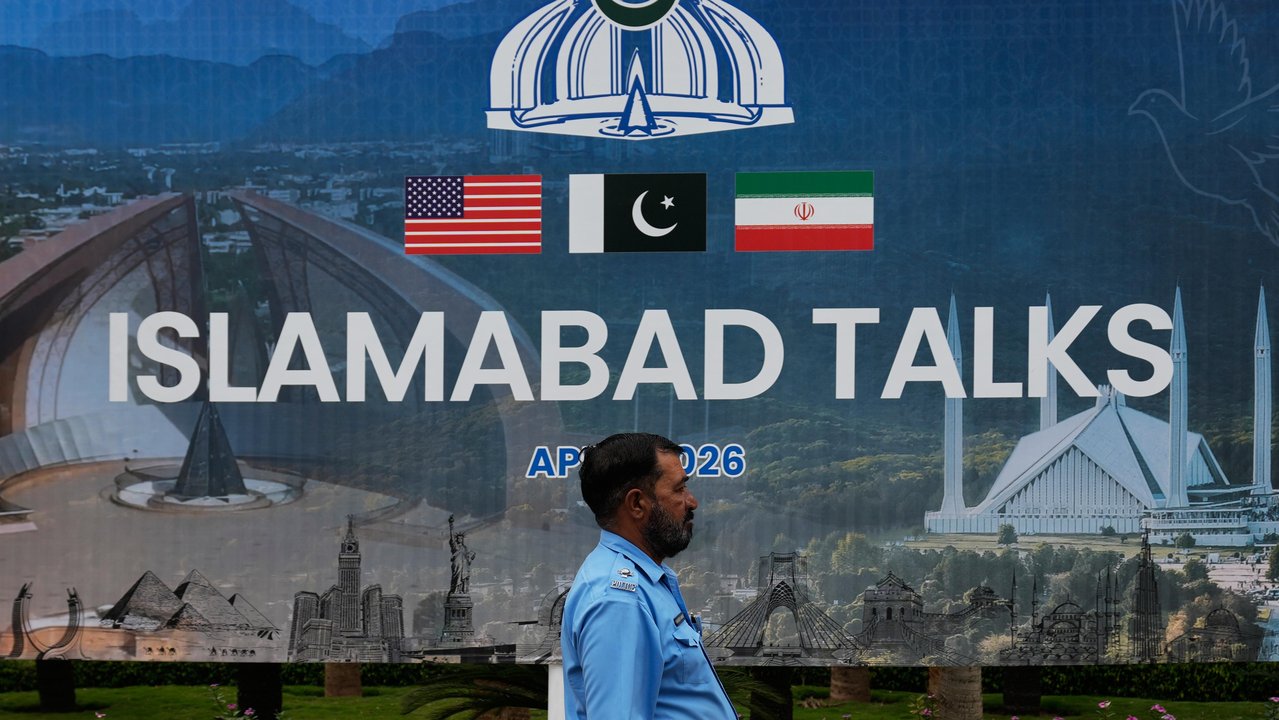
A high-level US delegation led by Vice President JD Vance has arrived in Pakistan for peace talks with Iranian officials, though significant doubts persist regarding the potential for progress in Lebanon.

A Diplomatic Pivot in Islamabad

In a significant development for regional stability, a high-level United States delegation, led by Vice President JD Vance, has arrived in Pakistan to initiate critical peace talks with Iranian government ministers and senior officials. The meeting, hosted on neutral ground in Islamabad, represents a rare moment of direct diplomatic engagement between the two nations, signaling potential efforts to de-escalate long-standing tensions that have historically rattled global markets and disrupted trade routes.

While the primary objective of the summit remains the establishment of a broader framework for regional peace, the atmosphere surrounding the talks is underscored by deep-seated skepticism. Observers and stakeholders are particularly concerned about the efficacy of these negotiations, given the persistent and volatile situation in Lebanon, which remains a primary point of friction that threatens to undermine any progress made at the bargaining table.

The Lebanon Variable: A Stumbling Block for Progress

Despite the presence of top-level officials in Islamabad, the path to a durable agreement is fraught with geopolitical complications. The central apprehension among international analysts is whether the dialogue can transcend the immediate, localized conflicts that have defined US-Iran relations for decades. Lebanon, in particular, serves as the litmus test for these talks. With Iran’s historical influence in the region and the United States’ commitment to regional security, the disconnect between the diplomatic rhetoric in Pakistan and the reality on the ground in Beirut remains a significant source of doubt.

Financial markets often treat such diplomatic summits with a 'wait-and-see' approach. For traders, the primary concern is the potential for a 'breakout' event—either a breakthrough that could stabilize energy prices and shipping lanes, or a total collapse of talks that could trigger a sudden flight to safety in assets like gold or the US dollar.

Market Implications and Strategic Outlook

For investors and institutional traders, the Islamabad summit is a critical data point in the broader geopolitical risk assessment. Middle Eastern stability is intrinsically linked to global energy markets and supply chain logistics. Any sign of a genuine thaw in relations between Washington and Tehran could lead to a reassessment of geopolitical risk premiums embedded in current equity pricing and commodity futures.

However, the ambiguity surrounding the inclusion of proxy-related issues—like the instability in Lebanon—suggests that market participants should remain cautious. The volatility inherent in such high-stakes negotiations means that headlines emanating from Islamabad could trigger rapid intraday shifts in sentiment. Traders are advised to monitor the duration and the specific communique outputs of these meetings. If the talks conclude without a concrete roadmap for regional de-escalation, the market may revert to its baseline assumption of sustained geopolitical friction.

What to Watch Next

Looking ahead, the success of this mission will be measured not by the handshake photos, but by the tangible commitments made regarding regional proxy influence and security guarantees. Key indicators to watch include any subsequent statements from the Iranian delegation regarding Lebanon, as well as the US Vice President’s briefing following the conclusion of the talks. For the trading community, the focus remains on whether these talks evolve into a structured diplomatic process or remain a symbolic gesture that fails to address the underlying drivers of regional instability.