Market Volatility Spikes as Peace Talks Collapse
Global financial markets are bracing for a period of heightened volatility following the abrupt failure of recent Middle East peace negotiations. The breakdown in diplomatic efforts has triggered immediate concerns regarding the stability of energy supply chains, with crude oil prices expected to see a significant upward trajectory in the coming sessions. For investors, the news marks a sudden shift in sentiment, effectively neutralizing the positive momentum that had been building across international equities markets.
The Australian Securities Exchange (ASX) is particularly feeling the heat, with early trading indicators suggesting a reversal of anticipated gains. As traders digest the implications of a potential blockade in the Gulf—an artery critical to global petroleum transit—the broader risk-off sentiment is beginning to permeate portfolios across the Asia-Pacific region.
The Gulf Blockade: A Catalyst for Supply Shock
The threat of a Gulf blockade is not merely a regional security concern; it is a direct challenge to global energy security. Historically, any credible threat to the Strait of Hormuz or surrounding maritime corridors has served as an immediate catalyst for a risk premium to be priced into crude oil futures.
"The collapse of these peace talks fundamentally changes the risk calculus for energy traders," noted market analysts tracking the developing situation. With the geopolitical landscape becoming increasingly fractured, the market is moving quickly to price in the possibility of supply disruptions. Should the threat of a blockade materialize, the impact on global energy prices would be instantaneous, potentially complicating central bank efforts to anchor inflation expectations in major economies.
Implications for Equity Markets
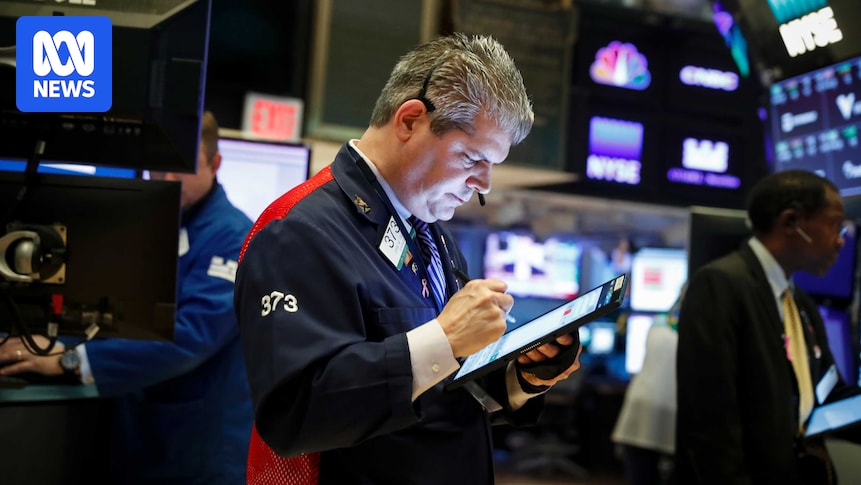
Wall Street entered the session in a state of flux, with major indices showing a flat performance as market participants attempt to reconcile the conflicting signals of resilient corporate data and deteriorating geopolitical stability. The ASX, which had been positioned for a strong opening, is now facing a headwind of uncertainty as resource-heavy sectors grapple with the volatility of energy inputs.
For traders, the current environment necessitates a shift in strategy. The sudden pivot from a 'soft landing' narrative to one dominated by geopolitical risk requires a reassessment of energy exposure. While equity indices like the SPX and DJI have shown remarkable resilience in recent months, the threat of a sustained supply-side shock is precisely the type of event that can break technical support levels.
What to Watch Next
As the situation unfolds, market participants should monitor three key areas:
- Energy Futures: Watch for a sustained break above recent resistance levels in crude oil benchmarks. A move higher would confirm that the market is pricing in a genuine supply risk rather than a temporary geopolitical noise.
- Safe-Haven Assets: Keep a close eye on the performance of traditional safe havens. If the Gulf situation deteriorates further, capital flight into gold (XAU/USD) or government bonds is likely to accelerate.
- Diplomatic Backchannels: Any sign of renewed dialogue or third-party mediation could trigger a rapid unwinding of the oil risk premium, leading to a sharp reversal in energy prices.
In the immediate term, expect trading desks to maintain a defensive posture. The combination of stalled peace negotiations and the looming threat of a maritime blockade suggests that the path of least resistance for energy prices is firmly to the upside, while equity markets may continue to struggle for direction until the geopolitical fog clears.