Macro● Neutral
UK Scraps Chagos Handover Amid Trump Pressure on Diego Garcia
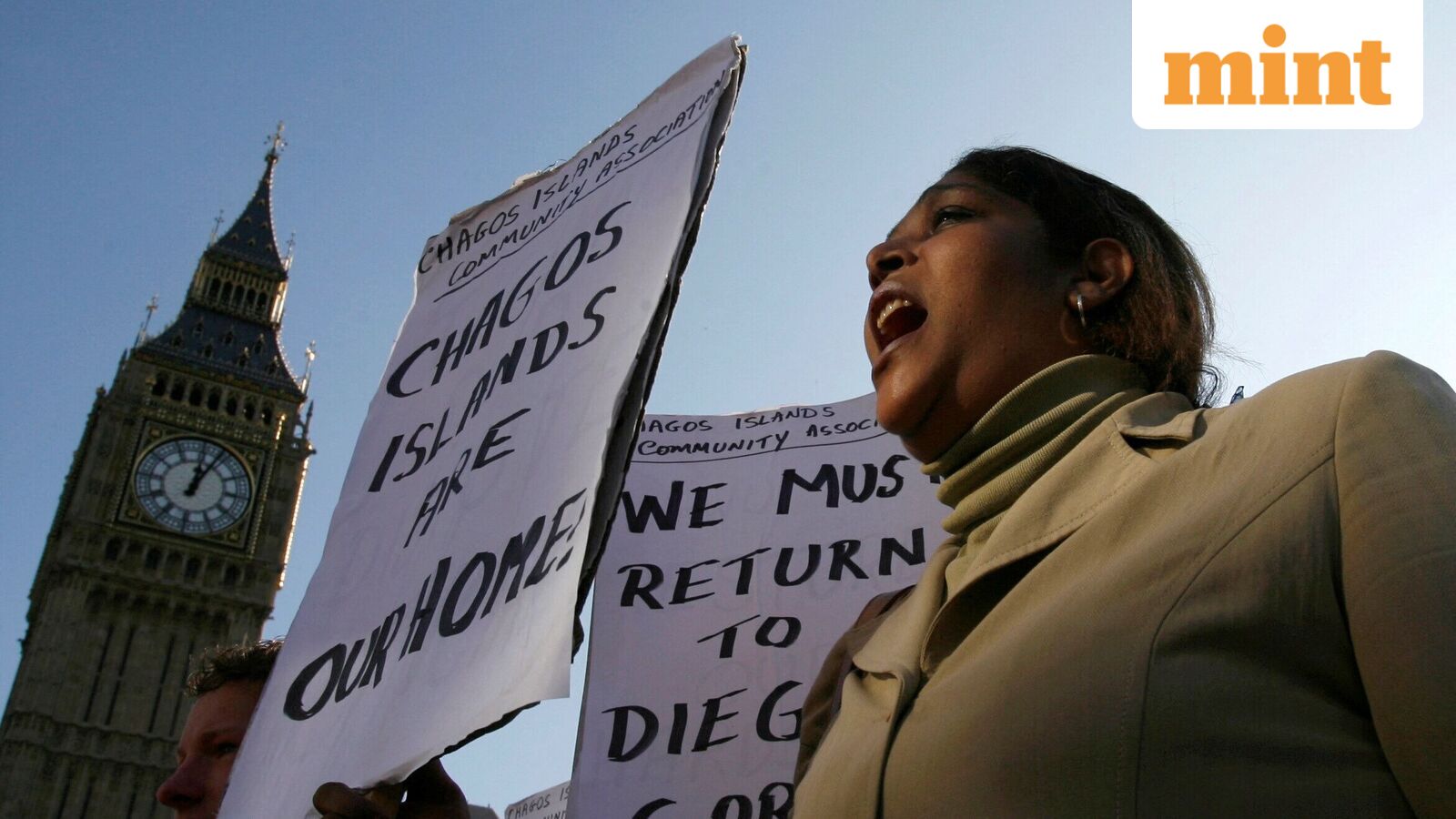
Prioritizing the Special Relationship, London halts the sovereignty transfer to avoid alienating the incoming U.S. administration over military security.
Continue with
A Sudden Strategic Reversal
The United Kingdom is reportedly moving to abandon its high-profile plan to transfer sovereignty of the Chagos Islands to Mauritius, following intense pressure and vocal criticism from U.S. President-elect Donald Trump. The reversal marks a significant shift in British foreign policy, effectively stalling a process that was heralded just months ago as a landmark resolution to a decades-long colonial dispute.
According to reports circulating in Whitehall, the decision to pause or shelve the handover is directly linked to concerns regarding the incoming U.S. administration. Donald Trump, whose transition team has signaled a more assertive approach to global alliances and strategic military assets, reportedly labeled the proposed handover a display of “great stupidity.” For the UK, which views its relationship with the United States as the cornerstone of its national security, the prospect of alienating the incoming administration appears to have outweighed the diplomatic benefits of the Chagos agreement.
The Strategic Importance of Diego Garcia
At the heart of the dispute lies Diego Garcia, the largest island in the Chagos archipelago. Since the 1970s, the island has served as a critical joint U.S.-UK military base. It is a vital strategic outpost for American power projection in the Indian Ocean, facilitating long-range bomber operations and surveillance missions.
While the previous UK government had negotiated a deal intended to secure the base’s future for at least 99 years under Mauritian sovereignty, critics within the U.S. security establishment—and now the incoming White House—have expressed deep skepticism. The concern is that transferring sovereignty to Mauritius, which has maintained close ties to China, could jeopardize the long-term security and operational autonomy of the Diego Garcia facility. By shelving the deal, the UK is attempting to preemptively soothe tensions with Washington, prioritizing the ‘Special Relationship’ over the preservation of the Mauritius agreement.