A Sudden Pivot in Global Sentiment
Global financial markets experienced a sharp reversal of sentiment this morning following a critical announcement from President Trump regarding the ongoing conflict in the Middle East. After a volatile five-week period that saw the Strait of Hormuz effectively shuttered—threatening a global supply chain crisis—the President confirmed a two-week suspension of offensive operations against Iran. The news, disseminated via Truth Social, has provided a much-needed reprieve for global risk assets, effectively cooling the geopolitical temperature that had pushed markets to the brink.
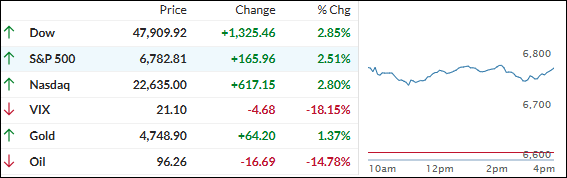
Following the announcement, major equity indices staged a robust recovery, reclaiming their critical 200-day moving averages (200-DMAs). For technical traders, this is a pivotal development; the 200-DMA is widely regarded as the ultimate dividing line between long-term bull and bear market regimes. The fact that the S&P 500 and other major benchmarks managed to gap back above this threshold suggests a significant shift in institutional positioning, moving from defensive hedging back toward beta exposure.
The Energy Sector Crash
The most immediate and visceral impact of the de-escalation was felt in the energy markets. West Texas Intermediate (WTI) crude futures, which had been bid up aggressively on war-risk premiums, experienced a staggering 17% collapse, settling at $93.42 per barrel.
For energy traders, this move represents a violent unwinding of the 'fear trade.' During the preceding five-week conflict, oil prices had been driven to unsustainable highs due to the strategic importance of the Strait of Hormuz, a chokepoint for roughly 20% of the world’s total petroleum liquid consumption. With the immediate threat of supply disruption removed, the market is now recalibrating to fundamental supply-demand dynamics, forcing a rapid liquidation of long positions.
Risk-On Sentiment Returns to Crypto and Gold
While oil suffered, other asset classes that had been caught in the crossfire of recent volatility found their footing. Bitcoin, often touted as a digital hedge, joined the rally, signaling a return to risk-on behavior among institutional and retail investors alike. The recovery in crypto markets mirrors the broader equity rebound, as the diminished risk of a full-scale regional war reduces the incentive to rotate into 'safe-haven' cash positions.
Gold, which typically benefits from geopolitical instability, also maintained a notable presence in the current market narrative. Despite the calming of tensions, gold’s resilience suggests that investors remain wary of long-term structural risks, even while appetite for equities returns. The simultaneous rally in stocks and gold—often viewed as an unconventional correlation—highlights a market that is currently searching for stability while remaining mindful of the underlying fragility of the current geopolitical environment.
Implications for Traders
The reclamation of the 200-DMAs across major indices provides a tactical opportunity for traders who were sidelined during the height of the Strait of Hormuz crisis. However, caution is advised. The two-week suspension of hostilities is a temporary window, not a permanent peace treaty. Market participants should expect heightened volatility as the two-week clock ticks down, with the potential for 'headline risk' to resurface at any moment.
For those managing portfolios, the current environment necessitates a focus on technical support levels. With indices now sitting above their long-term averages, the focus shifts to whether these levels can hold as support on retests.
Looking Ahead
As the markets digest the implications of this pause, the next 14 days will be critical. Traders should monitor the rhetoric from both Washington and Tehran closely, as any deviation from this temporary ceasefire could lead to an immediate re-ignition of the volatility seen over the past month. Additionally, keep a close watch on crude oil; at $93.42, WTI is searching for a new floor. If it fails to hold current levels, we could see further downward pressure on energy-linked equities, which may dampen the broader index rally.