Macro● Neutral
Oil Breaches $100 Support as Ceasefire Triggers Global Rally
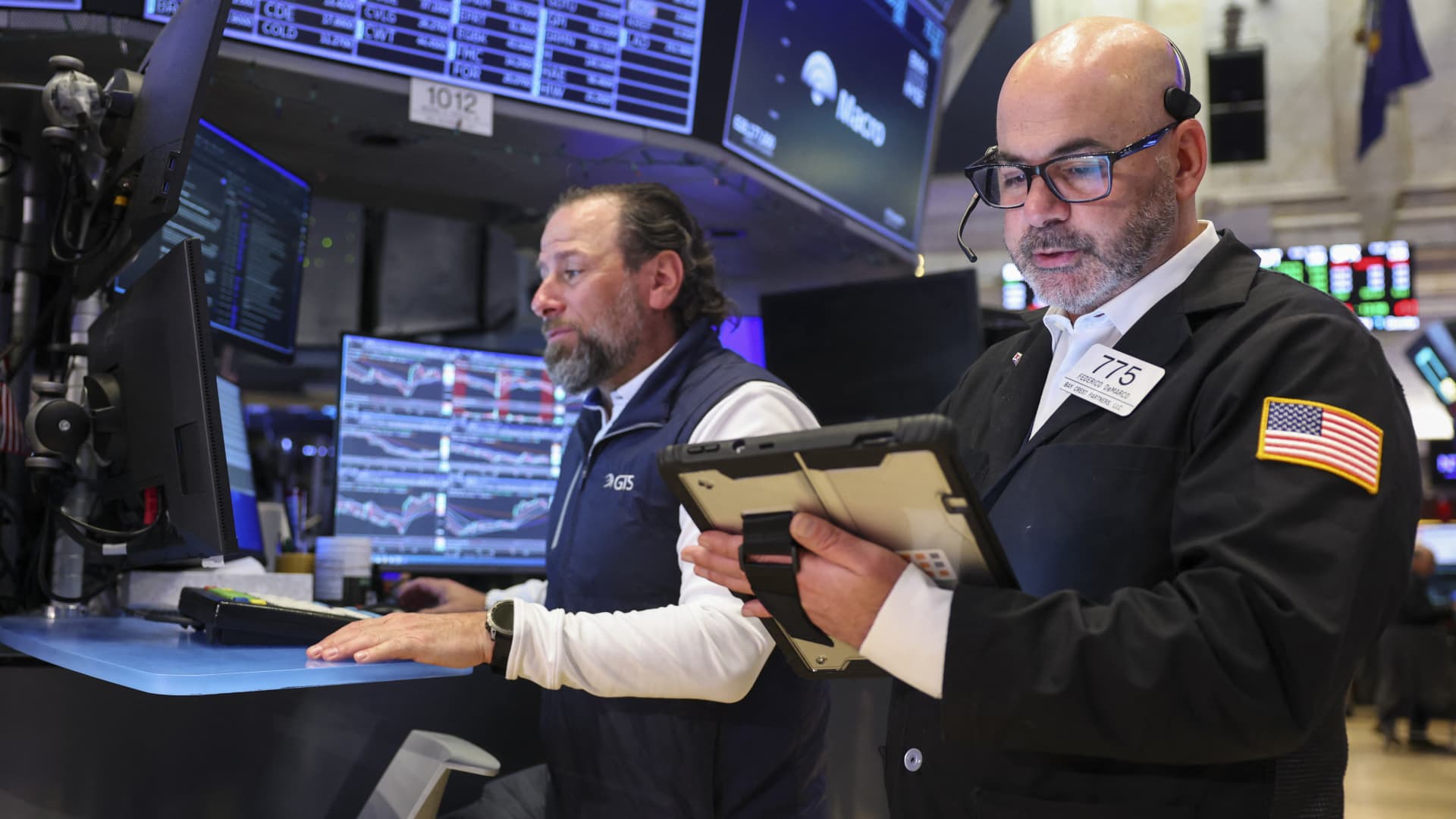
Crude prices plummet below $100 per barrel following a two-week ceasefire. Investors rotate into risk assets while monitoring diplomatic stability ahead.
Continue with
A Sudden Pivot in Global Sentiment
Global financial markets staged a synchronized relief rally in early trading sessions following the announcement of a two-week ceasefire between the United States and Iran. The diplomatic breakthrough, which appears to have temporarily neutralized the immediate threat of a wider regional conflict in the Middle East, has triggered a massive unwinding of geopolitical risk premiums that had gripped investors for weeks. As volatility indices cooled, capital flooded back into risk-sensitive assets, marking a significant shift in market psychology.
Commodities React: The Oil Price Correction
The most immediate and profound impact of the de-escalation was felt in the energy markets. Brent and WTI crude oil futures, which had been trading at elevated levels due to fears of supply chain disruptions in the Strait of Hormuz, plummeted sharply. The benchmark price breached the critical $100-per-barrel psychological support level, a move that provides much-needed relief to global inflationary pressures.
For traders, this drop represents a classic 'buy the rumor, sell the news' scenario in reverse. As the war-risk premium evaporates, energy-heavy portfolios are seeing significant rebalancing. Analysts note that while the $100 handle has been broken, the sustainability of this downward trend remains contingent on the longevity of the two-week ceasefire agreement and whether diplomatic channels can translate this temporary pause into a more permanent resolution.
Risk Assets and Safe Havens: A Rare Convergence
Typically, risk assets—such as equities—and traditional safe havens—such as government bonds and gold—move in inverse directions. However, the current environment has produced the anomalous phenomenon of a 'broad-based rally.'