A Viral Misstep in Digital Diplomacy
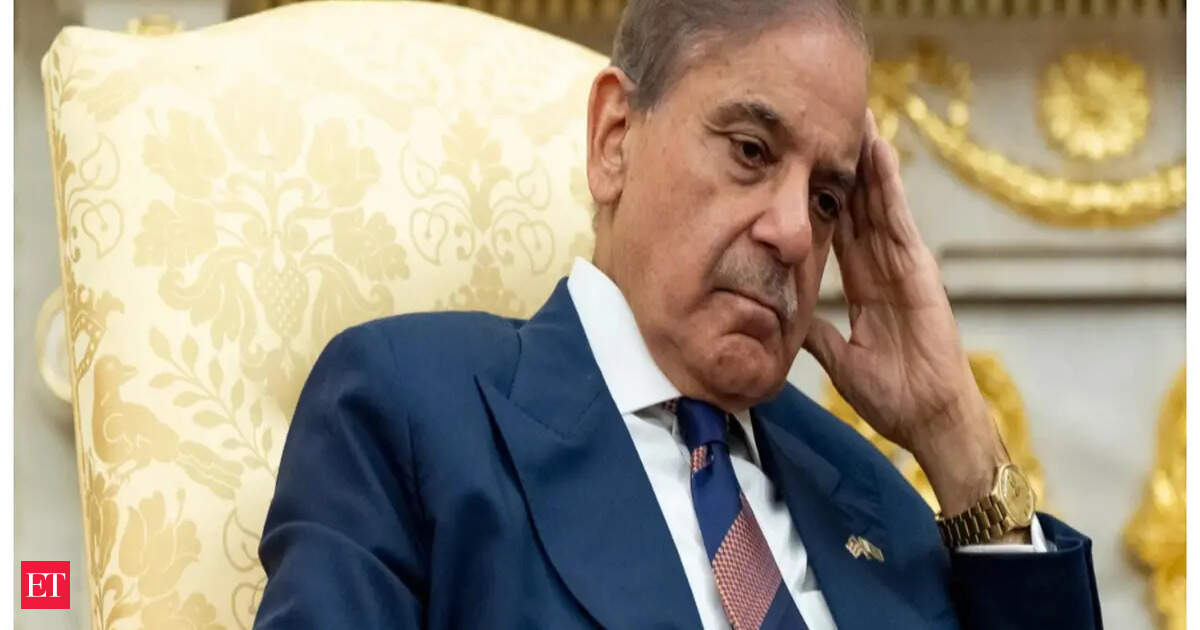
In an era where statecraft is increasingly conducted via social media, Pakistan Prime Minister Shehbaz Sharif has found himself at the center of a digital firestorm. The controversy stems from a recent post on the platform X (formerly Twitter), where the Prime Minister’s official account published a message calling for peace—only to include a telltale piece of metadata that has invited widespread mockery and speculation.
The post, which was intended to project a message of regional stability, included the draft instruction: "(Draft tweet: Trump's team should be involved in this message)." The inclusion of this internal directive, clearly intended for a social media manager, suggests that the Prime Minister’s office may have been coordinating its public messaging with the team of former U.S. President Donald Trump.
The Context of the Coordination
For seasoned observers of South Asian geopolitics, the revelation of a link between Islamabad’s messaging apparatus and the Trump camp is significant. Donald Trump has historically maintained a complex relationship with Pakistan, marked by both public criticism and periods of transactional engagement. The accidental disclosure of this draft suggests a deliberate attempt by the Sharif administration to align its optics with the former U.S. President, likely in anticipation of a potential shift in U.S. foreign policy.
The incident has sparked intense debate online, with critics pointing to the failure as a sign of institutional incompetence. The mockery stems not just from the content of the message, but from the perceived lack of autonomy it implies. By signaling that the Prime Minister’s "peace message" was essentially scripted or vetted by a foreign political entity, the post has undermined the very image of sovereign authority it sought to project.
Implications for Geopolitical Sentiment
For investors and market participants tracking the South Asian region, this event serves as a reminder of the volatility inherent in Pakistan’s political landscape. While the incident may appear to be a mere PR blunder, it highlights the desperate search for external validation and diplomatic leverage that defines the current administration’s strategy.
Market stability in Pakistan is inextricably linked to its diplomatic standing with the United States and international financial institutions. Any sign that the government is leaning heavily on external political figures—particularly those currently outside the formal U.S. executive branch—can introduce uncertainty regarding future bilateral agreements, trade policies, and aid packages. Traders should note that while this is a social media gaffe, the underlying desire to influence U.S. political sentiment is a tactical priority for the Sharif government, which remains under immense pressure to stabilize the national economy.
What to Watch Next
As the fallout from the X post continues to circulate, the primary focus for analysts will be the official reaction from both the Prime Minister’s office and the Trump campaign. Will this lead to a formal diplomatic clarification, or will it be swept under the rug as a social media team error?
Beyond the immediate embarrassment, the event underscores a critical trend: the increasing reliance on digital optics to navigate high-stakes international relations. Investors should monitor whether this attempted alignment with the Trump camp translates into any tangible shift in U.S.-Pakistan relations, or if the disclosure serves to alienate current U.S. stakeholders. For now, the "peace message" remains a cautionary tale of how the digital age has made the machinery of statecraft more transparent—and more vulnerable to unintended exposure.