Back to Markets
Macro● Neutral

Federal Reserve President Defends Regional Structure Amid Calls for Modernization
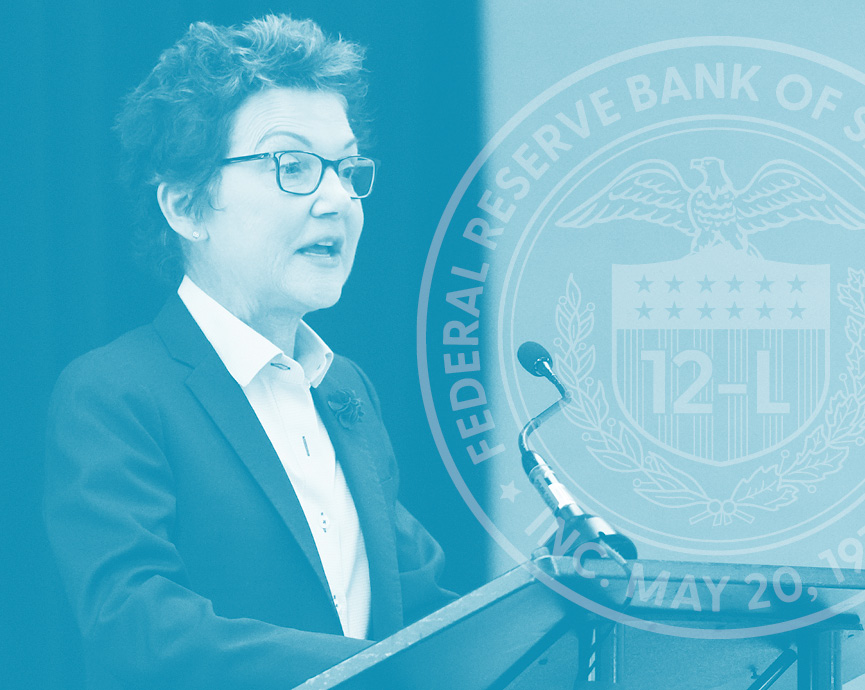
April 14, 2026 at 12:00 AMBy AlphaScalaSource: frbsf.org
Federal Reserve President Defends Regional Structure Amid Calls for Modernization
BSFO

The president of the Federal Reserve Bank of San Francisco reaffirmed the importance of the Fed's regional structure, emphasizing that independence and local accountability remain central to the institution's mission.

The Case for Regionalism

The Federal Reserve remains committed to its decentralized roots, even as it adapts to a rapidly changing economic environment. During a speech to the St. George Area Chamber of Commerce on April 8, the president of the Federal Reserve Bank of San Francisco emphasized that the institution’s strength lies in its regional diversity and independent perspective. While institutions often face pressure to centralize, the Fed maintains that its geographic footprint is essential to its public mandate.

Institutional evolution is necessary, but it does not require abandoning the core tenets established at the bank's founding. The leadership at the San Francisco Fed views the regional structure as a primary driver of accountability. By maintaining a presence across different parts of the country, the system ensures that policymakers hear a wider array of voices than a purely centralized entity could capture.

Core Principles of Fed Governance

The Federal Reserve operates on three primary pillars that define its relationship with the American public. These principles serve as the foundation for how the bank conducts its research and policy decisions:

  • Regional representation: Ensuring local economic conditions are reflected in national policy.
  • Independent research: Maintaining a firewall between political pressure and economic analysis.
  • Public accountability: Providing transparency to the communities served by each regional branch.

Accountability and Independence

Independence is often misunderstood in the context of the Federal Reserve. It is not an invitation to operate in a vacuum, but rather a requirement to provide objective data and analysis that might otherwise be influenced by short-term political cycles. As the San Francisco Fed president noted, the goal is to balance the need for modern innovation with the time-tested framework of regional oversight.

"Public institutions like the Federal Reserve must evolve to meet new challenges and allow for new possibilities. At the Fed, we have modernized and innovated over time, always grounding ourselves in our founding principles."

Market Implications for Traders

For investors tracking stock market analysis, the Fed’s commitment to regional diversity offers a glimpse into how policy decisions are formulated. When regional bank presidents participate in the Federal Open Market Committee, they bring data from their local districts. This granular approach can lead to different nuances in policy debates compared to a centralized model. Traders should watch for how these regional perspectives influence interest rate decisions, as these choices remain the primary engine for volatility in the SPX and the broader economy.

PrinciplePurpose
Regional FocusCapturing local economic shifts
Independent ThinkingGuarding against political bias
AccountabilityServing the broader public interest

Looking Ahead

As the economic landscape shifts, the Federal Reserve will likely continue to face questions about its structure and efficacy. The challenge for the institution is to maintain its regional character while responding to global shocks and domestic inflationary pressures. Investors should monitor future statements from regional branch presidents, as their independent assessments often signal shifts in the broader macro policy environment. The commitment to "modernizing and innovating" suggests that while the structure remains, the tools used by the Fed will continue to be updated to better capture real-time economic data.