Macro● Neutral
Kevin Warsh Fed Nomination Stalls Amid Senate Procedural Delay
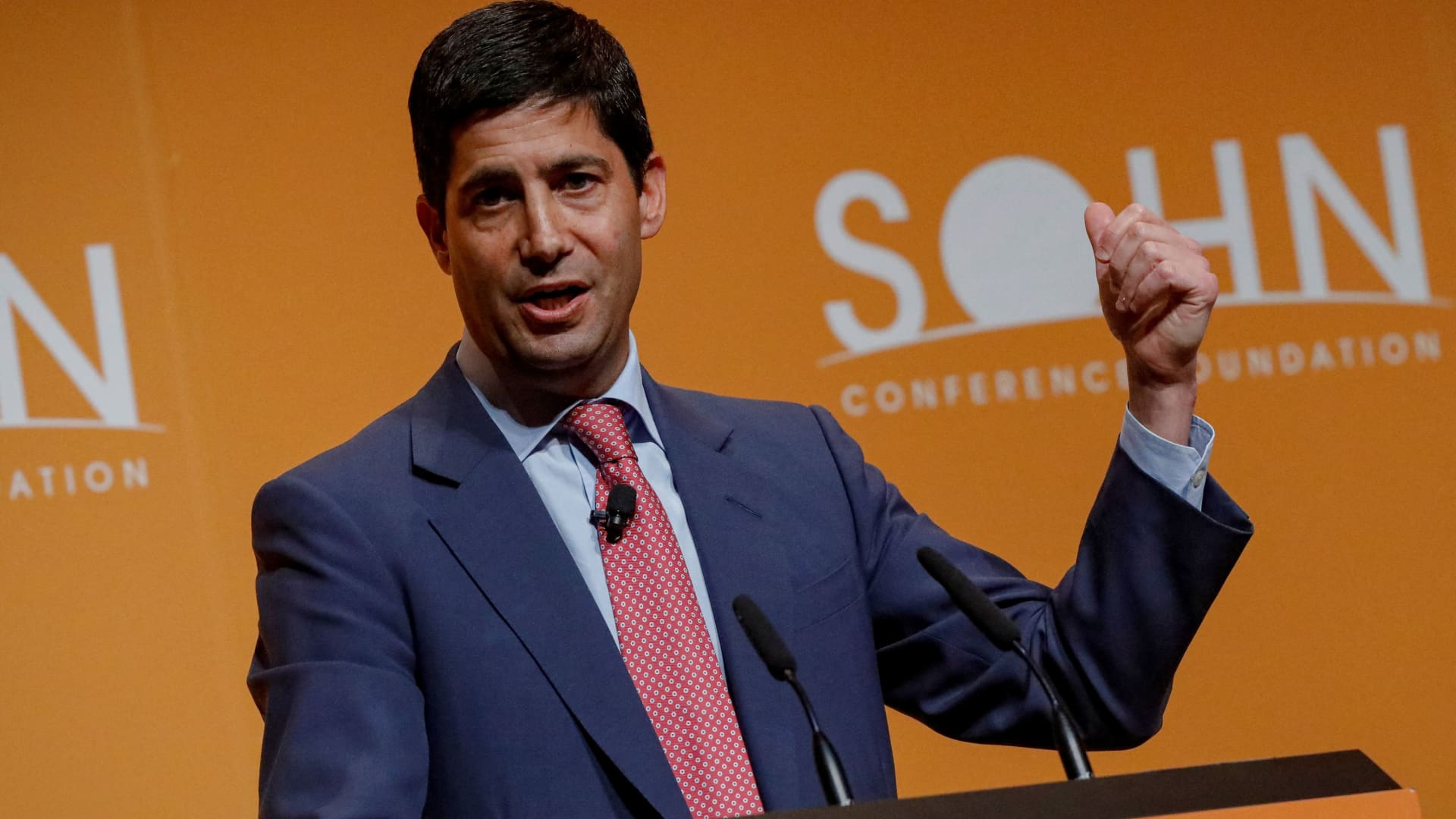
Senate hearing delays inject uncertainty into the Federal Reserve leadership transition, forcing traders to recalibrate expectations for policy stability.
Continue with
A Sudden Shift in the Confirmation Timeline
The momentum behind Kevin Warsh’s potential ascent to the Federal Reserve leadership has encountered a significant administrative roadblock. A Senate hearing, which had been widely anticipated to take place in the coming days, has been officially postponed, injecting a dose of uncertainty into the transition process for the U.S. central bank.
For market participants, the Federal Reserve Chair position is arguably the most consequential role in the global financial system. Any disruption in the confirmation pipeline, even one rooted in procedural delays, warrants close scrutiny. The postponement serves as a stark reminder that while the executive branch may nominate, the legislative branch dictates the pace of institutional change, and the political friction in Washington can frequently derail even the most high-profile appointments.
The Weight of the Chairmanship
Kevin Warsh, a former Fed Governor who served during the tumultuous period of the 2008 financial crisis, is viewed by many as a candidate who brings both institutional memory and a distinct philosophical approach to monetary policy. His potential nomination has been closely tracked by bond traders and equity investors alike, who are looking for signals regarding future interest rate trajectories, balance sheet management, and the central bank’s overall stance on inflation versus employment mandates.
Markets thrive on predictability, and the Fed is the ultimate anchor of market expectations. When the process for selecting the leader of that institution becomes mired in delays, it naturally leads to speculation regarding the political appetite for Warsh’s specific policy leanings. Investors are currently recalibrating their expectations, attempting to discern whether this delay is merely a scheduling conflict or a reflection of deeper resistance within the Senate confirmation committee.