Macro● Neutral
Drone Warfare Escalation Shatters Orthodox Easter Truce Hopes
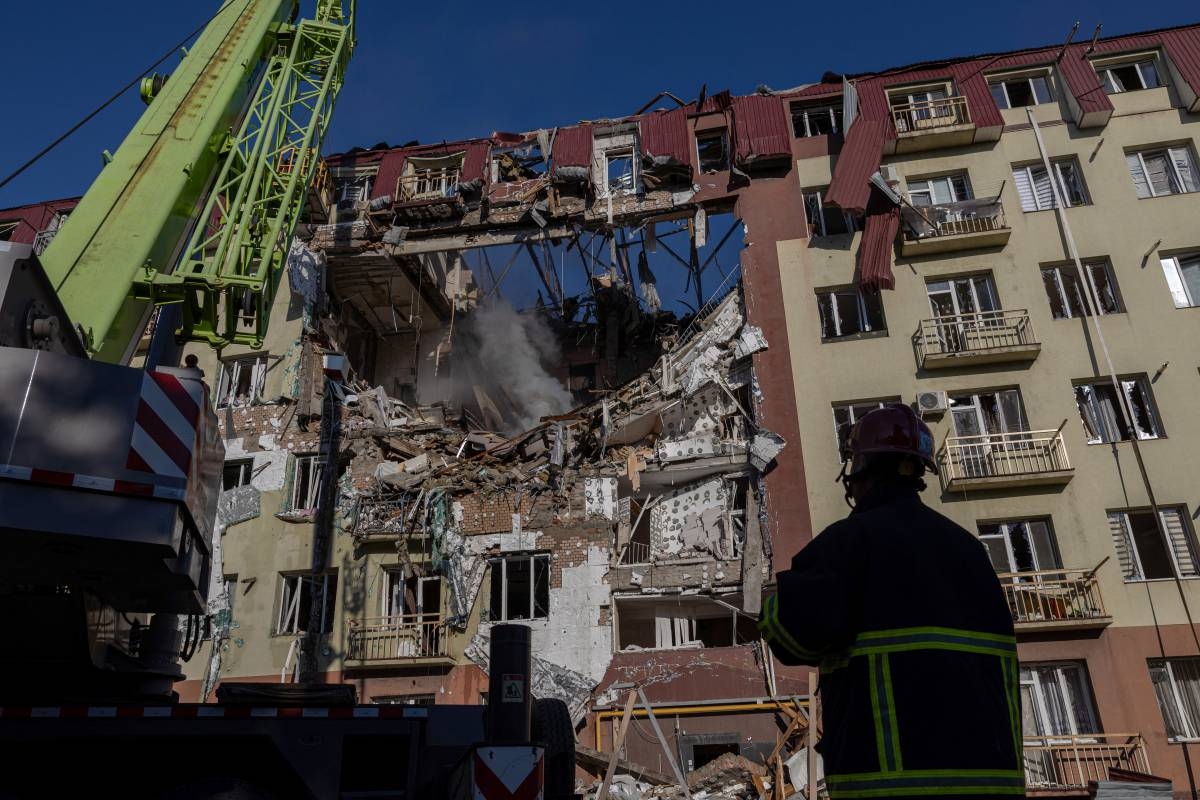
Overnight strikes on energy infrastructure signal a breakdown in diplomatic progress. Watch for volatile price action in energy and commodity futures ahead.
Continue with
A Fragile Ceasefire Strained by Overnight Hostilities
As the Orthodox Christian world prepared for Easter observances this weekend, the conflict between Russia and Ukraine saw a sharp, unexpected intensification of hostilities. Late Friday through early Saturday, both nations unleashed substantial waves of drone strikes against one another, effectively shattering the tenuous air of calm that typically accompanies major religious holidays.
Official reports confirmed that the barrages occurred mere hours before a proposed temporary ceasefire was slated to take effect. This surge in unmanned aerial vehicle (UAV) activity underscores the relentless nature of the ongoing conflict and highlights the significant challenges inherent in establishing even short-term humanitarian pauses in a theater of war defined by near-constant attrition.
The Strategic Shift to Drone Warfare
The use of drones has become a defining characteristic of the Russia-Ukraine conflict, serving as a cost-effective alternative to expensive long-range missiles for both sides. By utilizing waves of loitering munitions, both Moscow and Kyiv are able to probe defensive perimeters, exhaust interceptor supplies, and target critical infrastructure assets deep behind front lines.
For traders and macro observers, this latest escalation is a stark reminder that the geopolitical risk premium remains firmly embedded in the market. While drone warfare often lacks the immediate, headline-grabbing impact of heavy artillery or tactical nuclear posturing, the cumulative effect of these strikes on energy infrastructure and logistical supply chains remains a volatile variable for global commodity pricing.