Macro● Neutral
Middle East Ceasefire Triggers Broad Wall Street Relief Rally
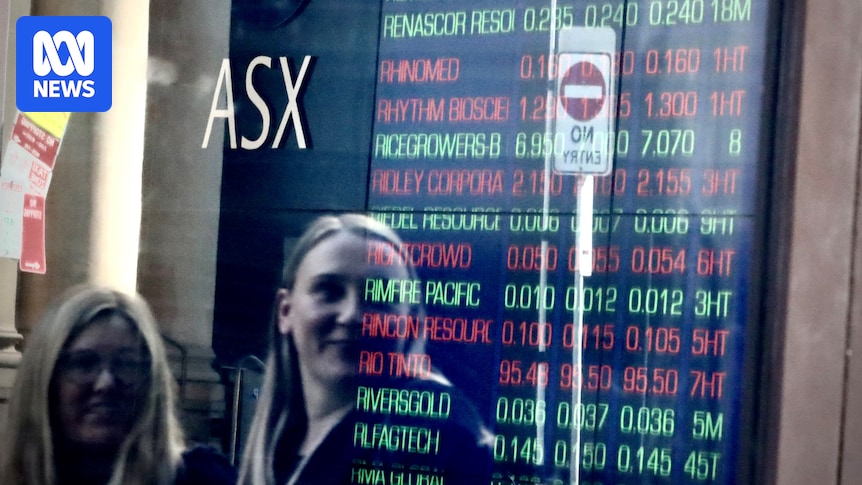
Equities climb as a two-week truce eases geopolitical anxiety. Traders are now monitoring if the rally can sustain momentum beyond this tactical reprieve.
Continue with
A Shift in Investor Sentiment
Global markets are witnessing a distinct shift in risk appetite this morning as Wall Street’s relief rally gains momentum. Following a period of heightened geopolitical volatility, investors are recalibrating their positions in response to the announcement of a two-week ceasefire deal in the Middle East. The development has provided a much-needed cooling effect on market anxiety, allowing equities to extend their overnight gains while oil prices show resilience in the face of shifting supply chain expectations.
Oil Markets: Navigating Geopolitical Premiums
Crude oil prices have edged higher, a move that may seem counterintuitive to some traders given the easing of regional tensions. Historically, geopolitical stability is viewed as a bearish catalyst for energy prices, as it reduces the perceived risk of supply disruptions. However, the current market reaction suggests that traders are looking beyond the immediate cease-fire to the structural tightness of global inventories.
While the two-week truce offers a window of de-escalation, the energy complex remains sensitive to the broader Middle Eastern landscape. The market is currently weighing the temporary nature of the agreement against the long-term supply constraints that have underpinned oil prices throughout the current quarter. For energy traders, the focus remains on whether this ceasefire will facilitate a sustained return to normal export volumes or if the risk premium will remain baked into futures contracts as a hedge against future volatility.
Wall Street’s Extended Relief Rally
On the equity front, the relief rally continues to gather steam. Wall Street, having weathered several sessions of uncertainty, is now seeing a broad-based move higher across major indices. The sentiment is driven by a combination of reduced geopolitical risk and a search for value in sectors that had been oversold during the recent period of market turbulence.