Macro● Neutral
Israel Eyes Lebanon Talks as Iran Demands Strait of Hormuz Control
Tehran’s refusal to curb uranium enrichment keeps geopolitical risk premiums elevated. Watch naval movements near the Strait of Hormuz for market impact.
Continue with
A Shift in Diplomatic Strategy
In a marked shift in regional security policy, Israel has signaled its willingness to pursue direct negotiations with Lebanon aimed at the disarmament of Hezbollah, the militant group that has remained a volatile fixture on its northern border. This pivot follows a sustained period of intense bombardment across Lebanon, a campaign that has significantly recalibrated the tactical landscape of the conflict. The move represents a rare diplomatic opening, suggesting that while military pressure remains a tool of policy, the Israeli government is now exploring the viability of mediated or direct channels to resolve the long-standing security impasse.
The U.S.-Iran Standoff: A Strained Olive Branch
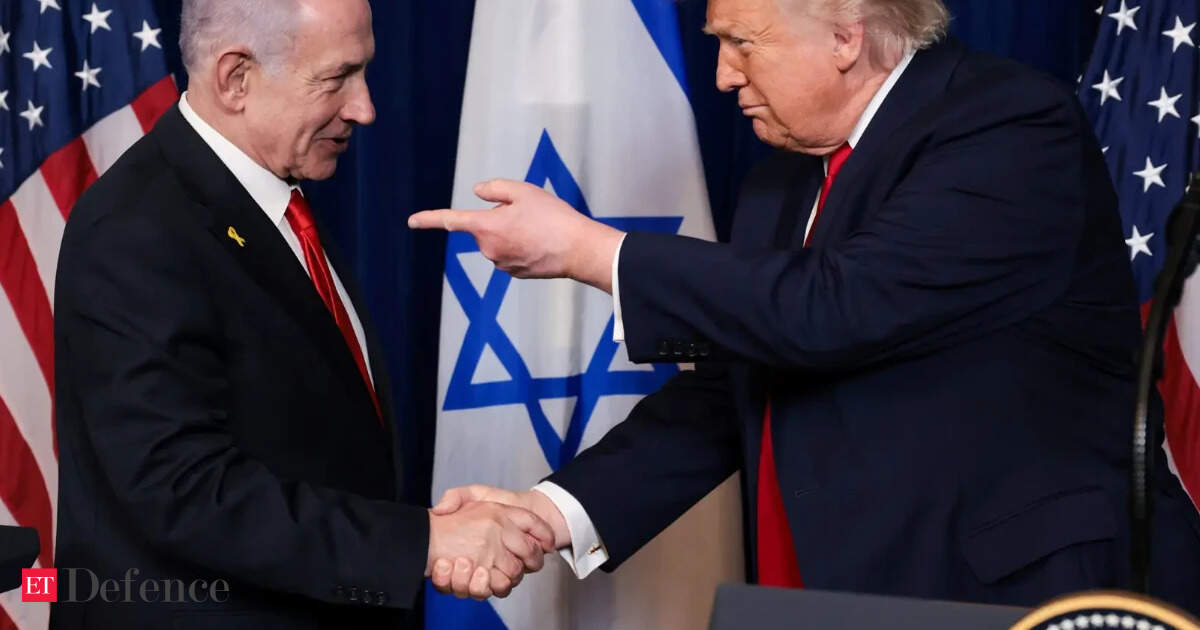
Central to the broader West Asian volatility is the ongoing friction between Washington and Tehran. U.S. President Donald Trump has reaffirmed the strategic posture of American forces in the region, declaring that U.S. military assets will maintain their current positioning near Iran until a comprehensive, binding deal is successfully finalized. This "wait-and-see" approach underscores the high stakes of the current administration’s foreign policy, which seeks to contain Iranian influence through a combination of military proximity and diplomatic leverage.
However, the path to a broader regional settlement remains fraught with systemic obstacles. Tehran has signaled a firm refusal to curb its uranium enrichment activities, a critical point of contention that continues to complicate any pathway toward nuclear non-proliferation agreements. Furthermore, the Iranian government has articulated two non-negotiable demands for entering into any substantive framework: the total relief of existing international sanctions and the attainment of strategic control over the Strait of Hormuz—the world’s most vital maritime chokepoint for global energy transit.