A City Hall Confrontation
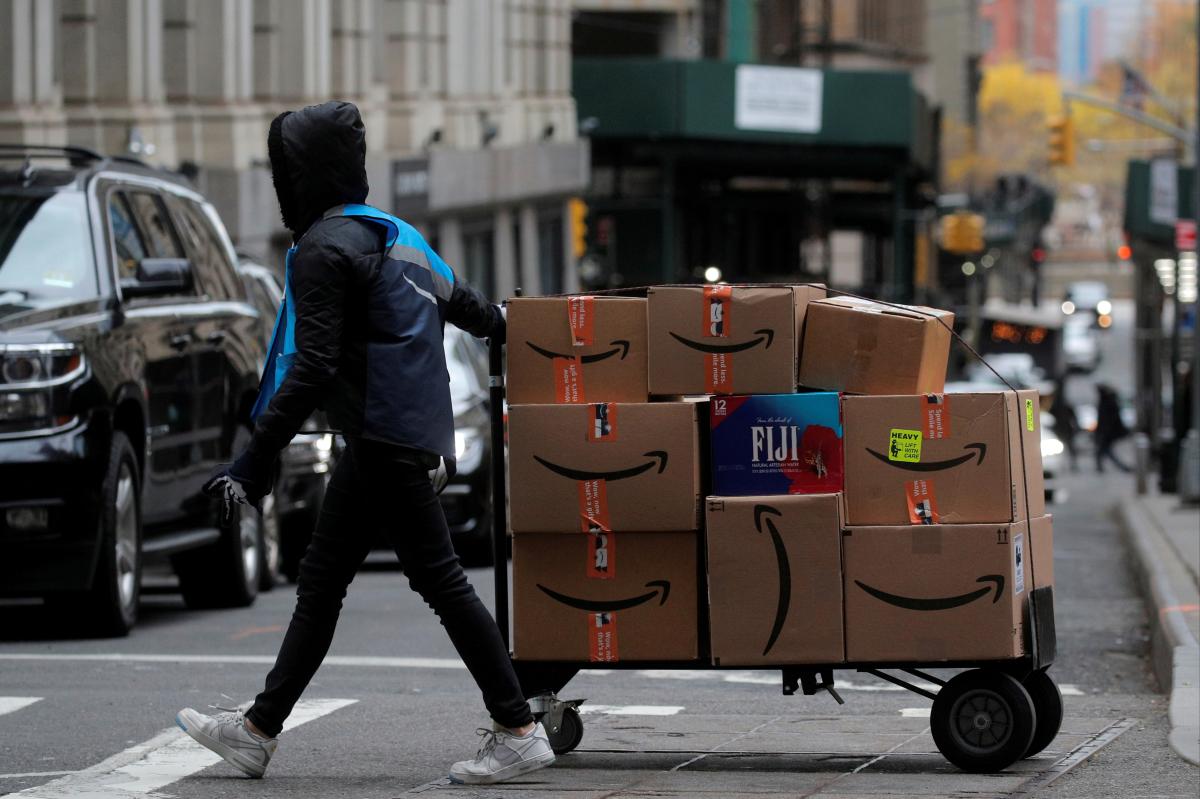
The halls of New York City’s government were transformed into a theater of industrial conflict this Thursday as a contentious public hearing exposed the deep-seated rift between Amazon’s independent delivery network and the International Brotherhood of Teamsters. The subject of the dispute: a proposed piece of legislation aimed at regulating the city’s delivery sector, a bill that has sparked a fierce debate over the future of logistics labor and consumer accessibility in the nation’s largest metropolitan market.
As council members convened to debate the merits of the bill, the atmosphere inside the hearing room turned volatile. Representatives from Amazon’s network of delivery contractors engaged in a shouting match with Teamsters members, with boos and verbal clashes punctuating the testimony. The intensity of the disruption underscored the high stakes involved for both the labor movement and the tech-driven logistics infrastructure that has become ubiquitous in New York City.
The Economic Argument: Jobs vs. Standards
The proposed legislation, which seeks to implement stricter oversight and potential union-focused mandates on delivery operations, is being framed by supporters as a necessary step to ensure fair labor practices. However, the opposition—led by Amazon’s delivery partners—argues that the bill is fundamentally flawed.
Contractors testifying at the hearing warned that if the legislation is enacted in its current form, it could trigger a wave of economic displacement. Industry advocates projected that thousands of delivery jobs currently supported by Amazon’s extensive contractor network could be at risk. Furthermore, there is significant concern among local business owners and logistics experts that the resulting operational costs would be passed directly to the consumer, leading to substantially higher delivery fees for New Yorkers who have grown reliant on the company’s rapid fulfillment model.
Market Implications and Investor Sentiment
For traders and institutional investors monitoring the retail and logistics sectors, this hearing serves as a bellwether for the regulatory headwinds facing "gig-style" delivery models. Amazon, which has successfully defended its independent contractor model against numerous legal challenges across the United States, faces a unique obstacle in New York City, where the political climate remains exceptionally favorable to organized labor.
If this bill gains traction, it could set a legislative precedent that complicates Amazon’s last-mile delivery efficiency. Analysts are closely watching whether these local regulations could serve as a blueprint for other major U.S. cities, potentially forcing a structural shift in how Amazon manages its fleet and labor costs. Any increase in overhead, driven by mandatory changes to contractor status or wage requirements, could pressure operating margins in the company’s retail division, which is already navigating a highly competitive landscape and shifting consumer spending patterns.
The Road Ahead
The volatility displayed at this week’s hearing suggests that the path to a legislative compromise is narrow. The Teamsters are clearly signaling that they intend to leverage political channels to challenge the status quo, while Amazon’s contractor network is prepared to mount a sustained campaign to protect their current operational autonomy.
Market participants should watch for further developments from the City Council in the coming weeks. Specifically, investors should monitor any amendments to the bill that might soften the economic impact on contractors or, conversely, any signals that the Council is moving toward a more aggressive regulatory stance. As the debate continues, the friction between labor advocacy and the efficiency-driven logistics model will remain a significant variable in the long-term outlook for retail-linked infrastructure in the New York market.