Commodities● Neutral
Crude Oil Faces Sharp Correction as Geopolitical Premium Fades
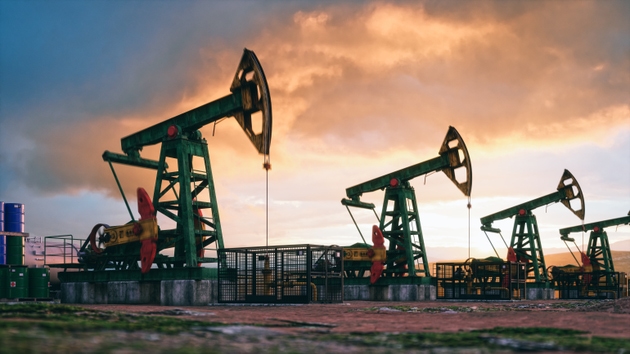
The potential removal of a 5% to 10% risk markup threatens to trigger a sell-off in CL. Watch for IMF meeting outcomes to confirm the shift in sentiment.
Continue with
The Cooling of Global Risk
Oil prices sit in a precarious position as institutional investors gather for the IMF and World Bank meetings. Market participants are increasingly betting that the conflict involving Iran is nearing a resolution. If this consensus takes hold, the risk premium currently baked into energy prices will likely disappear, forcing a correction in crude oil valuations.
Analysts suggest that the diplomatic environment surrounding these meetings is shifting the narrative. Traders who previously bid up prices based on supply fears in the Persian Gulf may soon find themselves on the wrong side of a reversal. For those tracking the crude oil profile, the current price action reflects an exhaustion of the recent rally.
The Geopolitical Exit
For months, the threat of escalation in the Middle East provided a floor for energy markets. Now, the mood is changing. Brooks, a lead voice in the current market debate, argues that the meetings act as a catalyst for a reality check. As the focus shifts back to fundamental supply and demand, the speculative heat surrounding the commodities analysis sector could dissipate.
"The IMF and World Bank meetings serve as a stage where the market consensus on Iran is being finalized. If the prevailing view is that the conflict is effectively over, the geopolitical premium in oil will be stripped away rapidly."