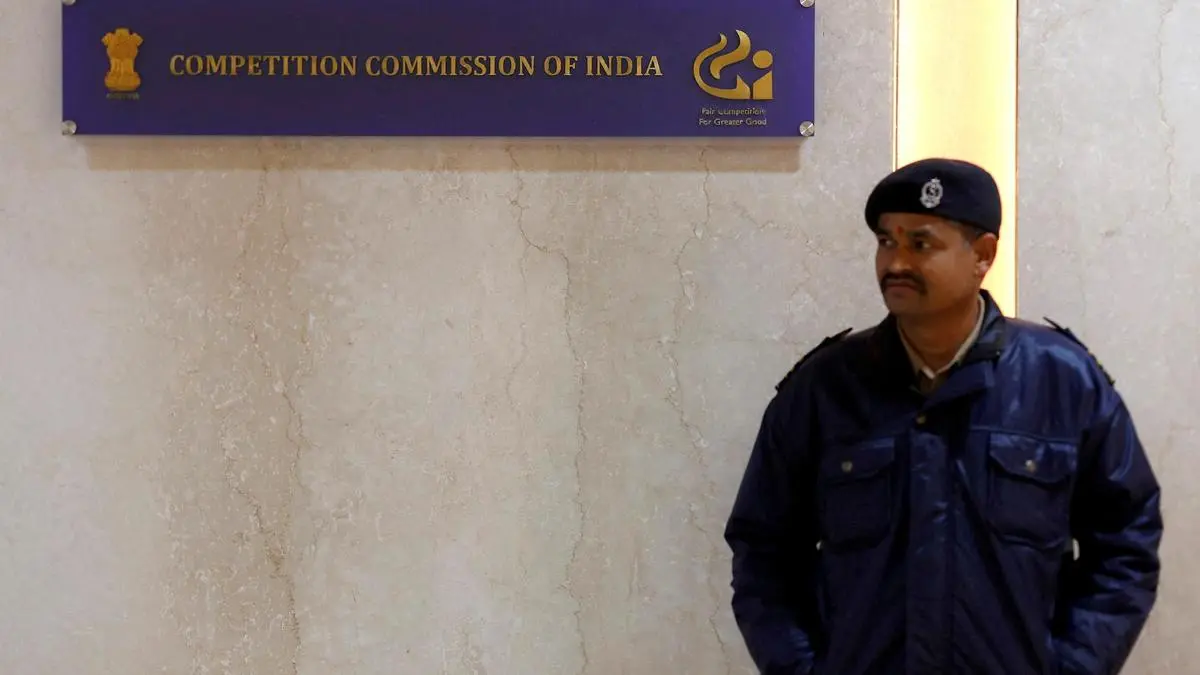
Regulatory Enforcement Targets Infrastructure Collusion
The Competition Commission of India (CCI) has issued a stern directive to 17 companies, ordering an immediate cessation of anti-competitive practices following an extensive investigation into bid-rigging activities. The probe centered on tenders issued by the Assam Police Housing Corporation for electrification projects, where the watchdog uncovered a sophisticated cartel operating through bid rotation and cover bidding.
This enforcement action underscores the regulator's commitment to maintaining market integrity in public procurement. By orchestrating a system of collusive tendering, the firms involved systematically undermined the competitive bidding process, artificially inflating costs and limiting the government’s ability to secure fair value for critical infrastructure development.
Anatomy of the Cartel: Mechanics of Market Manipulation
The CCI’s findings reveal a well-coordinated effort among the 17 firms to manipulate the tender process. The investigation highlighted two primary tactics:
- Bid Rotation: The firms allegedly took turns securing contracts, ensuring that the 'winner' was pre-determined before the tender process even commenced. This effectively neutralized market competition and prevented genuine price discovery.
- Cover Bidding: To create the illusion of a competitive environment, cartel members submitted nominal or 'complimentary' bids. These bids were strategically designed to be less attractive than the chosen winner’s bid, thereby providing a veneer of legitimacy to an otherwise rigged selection process.
By coordinating these actions, the participants effectively subverted the public procurement framework, ensuring that the Assam Police Housing Corporation could not benefit from the price-lowering pressure inherent in an open, transparent market.
Market Implications and the Cost of Collusion
For institutional investors and stakeholders in the infrastructure and construction sectors, this ruling serves as a significant regulatory bellwether. Bid rigging, particularly in state-funded electrification projects, represents a direct hit to public fiscal efficiency and project timelines. When competition is stifled, the resulting infrastructure often suffers from inflated capital expenditure (CAPEX) requirements and potential quality compromises.
From a market perspective, the CCI’s intervention acts as a deterrent against the normalization of cartel-like behavior in regional infrastructure tenders. For companies operating in the construction and electrical engineering space, the precedent set here suggests that the CCI has gained increased visibility into the 'shadow' bidding structures that often plague government contracts. Firms failing to implement robust compliance and internal oversight mechanisms now face heightened legal and reputational risks.
Forward-Looking Analysis: What to Watch
The CCI’s directive is not merely a slap on the wrist; it signals a tightening of the regulatory net over public-sector procurement. Moving forward, market participants should anticipate more rigorous scrutiny of tender participation patterns. The commission's ability to identify patterns like bid rotation suggests that data-driven oversight of procurement databases is becoming a permanent fixture of Indian antitrust enforcement.
Investors should monitor how the affected companies respond to this ruling, particularly regarding potential financial penalties and the impact on their ability to bid for future government projects. Furthermore, look for policy adjustments from the Assam Police Housing Corporation and similar state entities as they look to implement more resilient, anti-collusion bidding protocols in the wake of this investigation.