A Sudden Shift in Trade Momentum
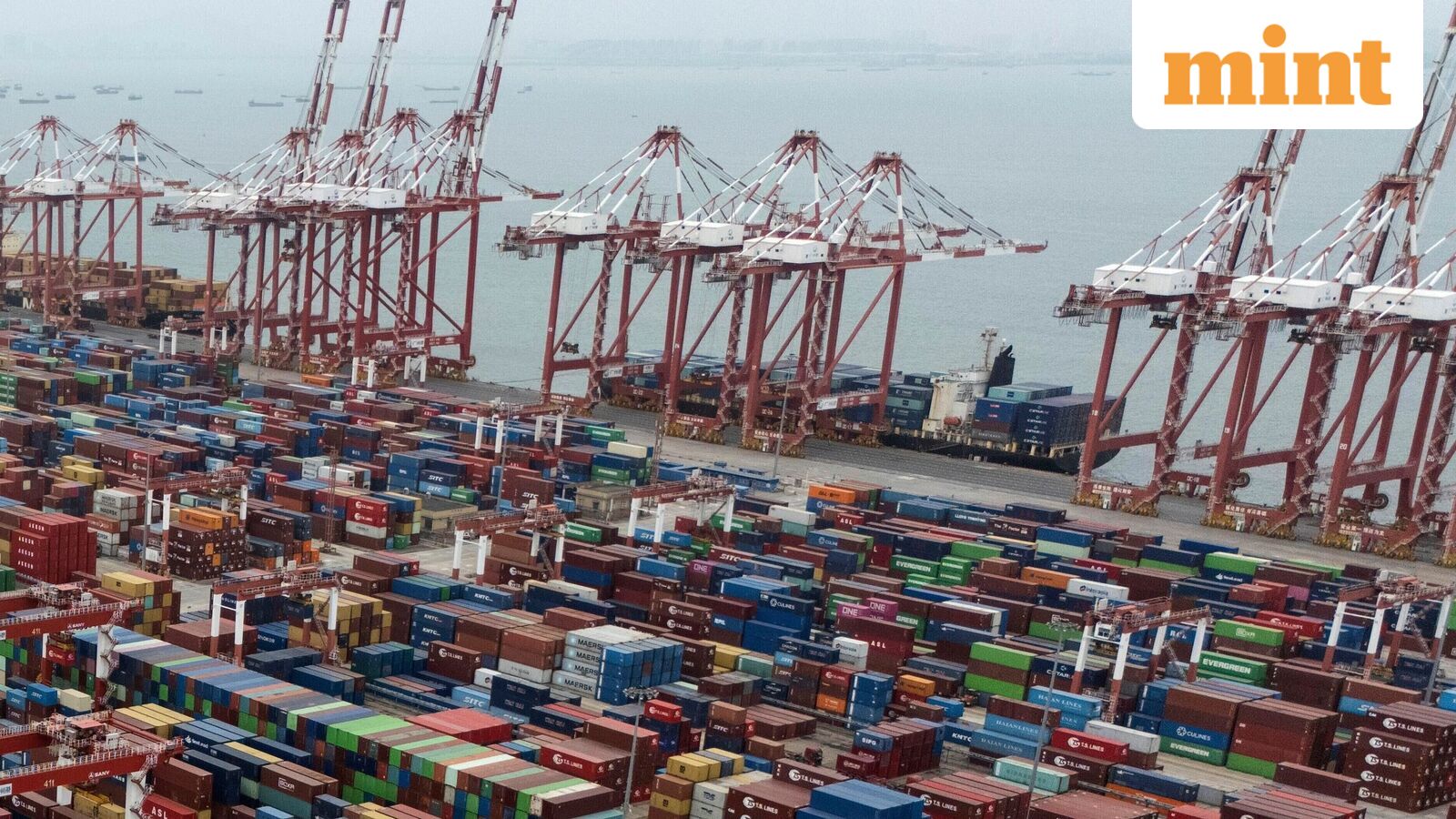
China’s trade engine hit a wall in March. Export growth cooled, while import volumes climbed, narrowing the country's trade surplus. This shift arrives as global markets monitor how geopolitical friction in West Asia complicates Beijing's broader economic stability. Traders tracking the crude oil profile are already factoring in the volatility associated with these regional supply chain disruptions.
The Data Behind the Dip
Beijing’s latest customs data paints a complex picture of a manufacturing powerhouse facing external pressures. While internal demand for raw materials pushed imports higher, the appetite for Chinese goods abroad flattened. Analysts suggest this drag is a direct reflection of higher shipping costs and uncertainty regarding regional trade corridors.
Key Trade Metrics
| Metric | March Performance | Trend |
|---|
| Export Growth | Slowed | Downward |
| Import Volume | Leapt | Upward |
| Trade Surplus | Narrowed | Contraction |
- Export Headwinds: Higher insurance premiums and rerouted shipping lanes are squeezing margins for Chinese exporters.
- Import Dynamics: Rising commodity costs are inflating the import bill, putting pressure on the yuan.
"The trade balance tells a story of an economy struggling to maintain its export-led growth model while absorbing the shock of diverted global logistics," says one market observer.
Geopolitical Risk and Economic Endurance
Beijing has officially maintained a neutral stance regarding the conflict in West Asia. Yet, the economic reality is harder to ignore. If the current slump in net exports persists, the central government may face a difficult choice between fiscal stimulus and shifting its diplomatic focus to protect its commercial interests.
Investors looking for broader market analysis should watch how the government manages these trade deficits. Prolonged weakness here could force a review of Beijing's long-term geopolitical calculus. If the conflict continues to disrupt key maritime routes, the cost of endurance will rise.
What to Watch in the Coming Months
Market participants are now waiting for the next round of industrial output figures. Watch these indicators to gauge if the current trade imbalance is a temporary blip or a structural shift. The ability of Chinese manufacturers to absorb these costs without passing them on to global buyers will determine the next move for regional markets. If the trend holds, expect further volatility in domestic manufacturing stocks and a harder look at the nation's reliance on stable international shipping lanes.