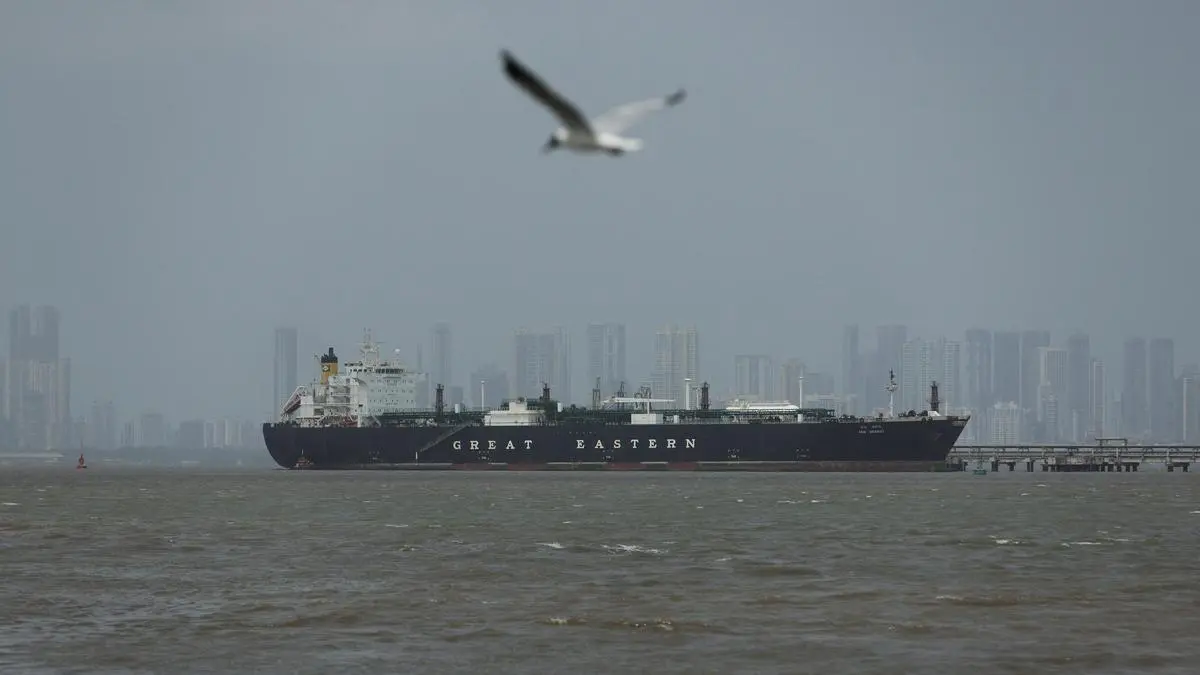
Floating Reserves Defy Sanctions
China has effectively insulated its domestic refining sector from potential supply shocks by accumulating vast quantities of Iranian crude. By utilizing floating storage and onshore inventories, Beijing has created a strategic buffer that protects its energy security even if US-led sanctions tighten or diplomatic tensions escalate. This supply chain strategy ensures that Chinese refiners can maintain operations without relying solely on traditional, more expensive import channels.
The Anatomy of the Hoard
Data suggests that the volume of Iranian oil held in offshore storage remains high. These tankers serve as a flexible supply source, allowing refiners to draw down stocks whenever market prices spike or geopolitical risks threaten global transit routes. This practice has become a standard feature of the commodities analysis for regional energy experts.
Inventory Breakdown
- Offshore Storage: Millions of barrels currently sit on tankers anchored near major trading hubs.
- Onshore Reserves: Significant volumes have been moved into Chinese storage facilities to ensure long-term availability.
- Refining Capacity: Independent refiners, often referred to as "teapots," remain the primary consumers of these discounted barrels.
"The sheer scale of these inventories allows Beijing to dictate its own terms when supply volatility hits the broader market," noted one energy analyst tracking the crude oil profile.
Market Implications for Traders
For those monitoring the best commodities brokers, the implications of this shadow trade are clear. The existence of these reserves caps the upside potential for global crude prices when tensions flare in the Middle East. If traders expect a price surge due to diplomatic fallout, they must account for the reality that China can dump these stored barrels onto the market to stabilize its own costs.
| Metric | Status | Impact on Price |
|---|
| Floating Inventory | High | Bearish for Brent |
| Onshore Stocks | Stable | Neutral |
| Import Reliance | Declining | Long-term bearish |
What to Watch Next
Investors should monitor the frequency of tanker arrivals at Chinese ports. A sudden drawdown of these reserves would signal that Beijing is preparing for a period of restricted supply or is attempting to suppress domestic inflation. Conversely, if the volume of oil held at sea continues to grow, it indicates that current sanctions are failing to throttle the flow of Iranian energy to the world's second-largest economy. Keep an eye on how these inflows influence domestic refinery margins, as they provide a clear window into the actual health of China's energy demand.