Macro● Neutral
CFTC Targets AI-Driven Crypto Trading With New Task Force
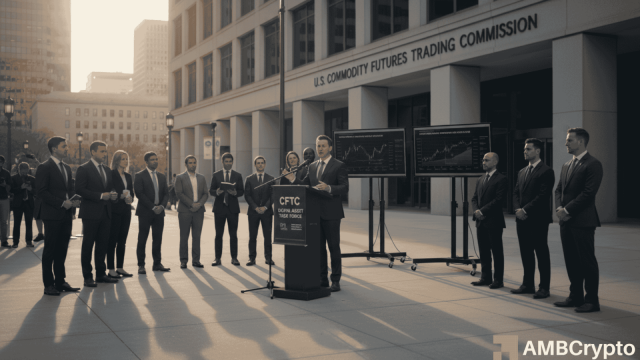
The agency shifts from reactive enforcement to proactive oversight of BTC and ETH markets. Expect stricter transparency standards for automated trading firms.
Continue with
A Pivot Toward Algorithmic Oversight
The Commodity Futures Trading Commission (CFTC) has officially signaled a strategic shift in its regulatory posture, announcing the formation of a dedicated task force aimed at navigating the complex intersection of digital assets and artificial intelligence. This move represents a significant institutional effort to modernize the agency's oversight framework, addressing the rapid proliferation of automated trading systems and decentralized finance (DeFi) protocols that now define the modern market landscape.
By formalizing this task force, the commission is moving beyond reactive enforcement—a hallmark of its recent history—toward a more proactive, policy-driven approach. As financial markets become increasingly reliant on machine learning models and high-frequency crypto trading algorithms, the CFTC is positioning itself to establish technical guardrails that ensure market integrity without stifling the underlying innovation.
The Convergence of Crypto and AI
The dual focus on cryptocurrency and artificial intelligence is not coincidental. Regulators are increasingly concerned about the 'black box' nature of AI-driven trading strategies within the crypto sector, where market volatility is already amplified by retail sentiment and liquidity fragmentation. The task force is expected to examine how AI-driven predictive modeling might exacerbate market manipulation or lead to systemic risks during periods of extreme price discovery.
Historically, the CFTC has struggled with the jurisdictional ambiguity surrounding digital assets. While the agency has successfully asserted its authority over Bitcoin and Ethereum as commodities, the integration of AI into trading platforms introduces a new layer of complexity. The task force will likely focus on how existing market conduct rules—such as those prohibiting spoofing and wash trading—can be effectively applied to autonomous agents that operate at speeds far exceeding human intervention.