Macro● Neutral
CFOs Plan to Keep Tariff Refunds, Denying Consumer Savings
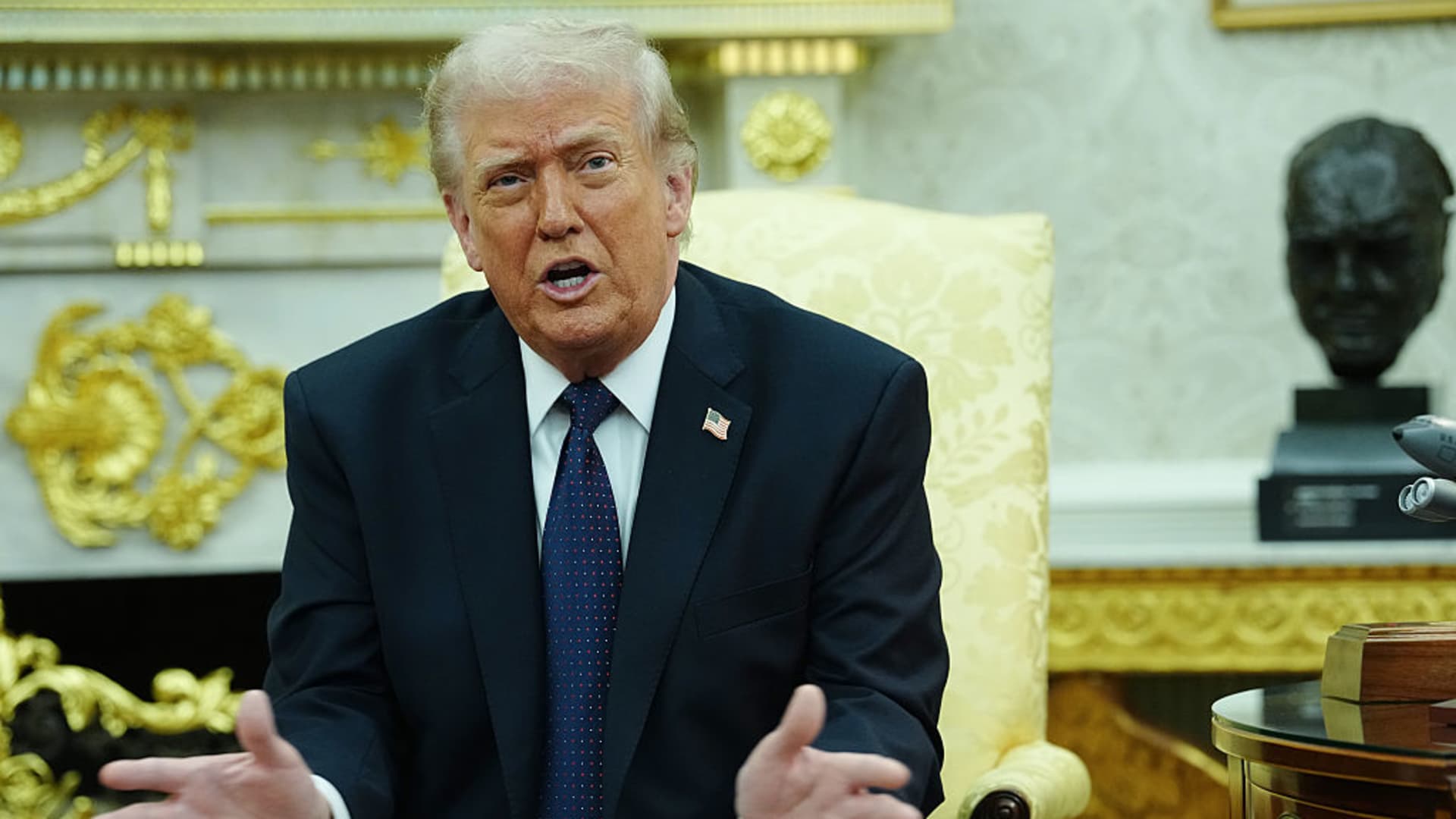
Major corporations will prioritize debt reduction and capital spending over price cuts, ensuring billions in tariff refunds stay off the retail floor.
Continue with
Corporate Windfalls, Not Consumer Relief
The federal government may soon issue billions of dollars in tariff refunds, yet the average shopper should not expect these savings to hit their bank accounts. According to a recent survey from the CNBC CFO Council, major corporations have little intention of passing these rebates on to their customer base.
Most financial leaders plan to retain these funds to bolster corporate cash reserves or offset existing operational costs. While the scale of the potential payouts is massive, the mechanism of the refund process effectively keeps the liquidity within the company balance sheet rather than filtering it down to the retail level.
The CFO Perspective
Finance chiefs are largely prioritizing internal financial health over price reductions. The survey reveals a clear consensus among executives:
- Zero intent to lower retail prices based on tariff reimbursement.
- Preference for using refunds to pay down debt obligations.
- Strategic allocation toward capital expenditures instead of consumer discounts.
"The refund is viewed as a recovery of historical costs rather than a reduction of future expenses," one respondent noted. "We are not planning to adjust our pricing strategy based on these inflows."