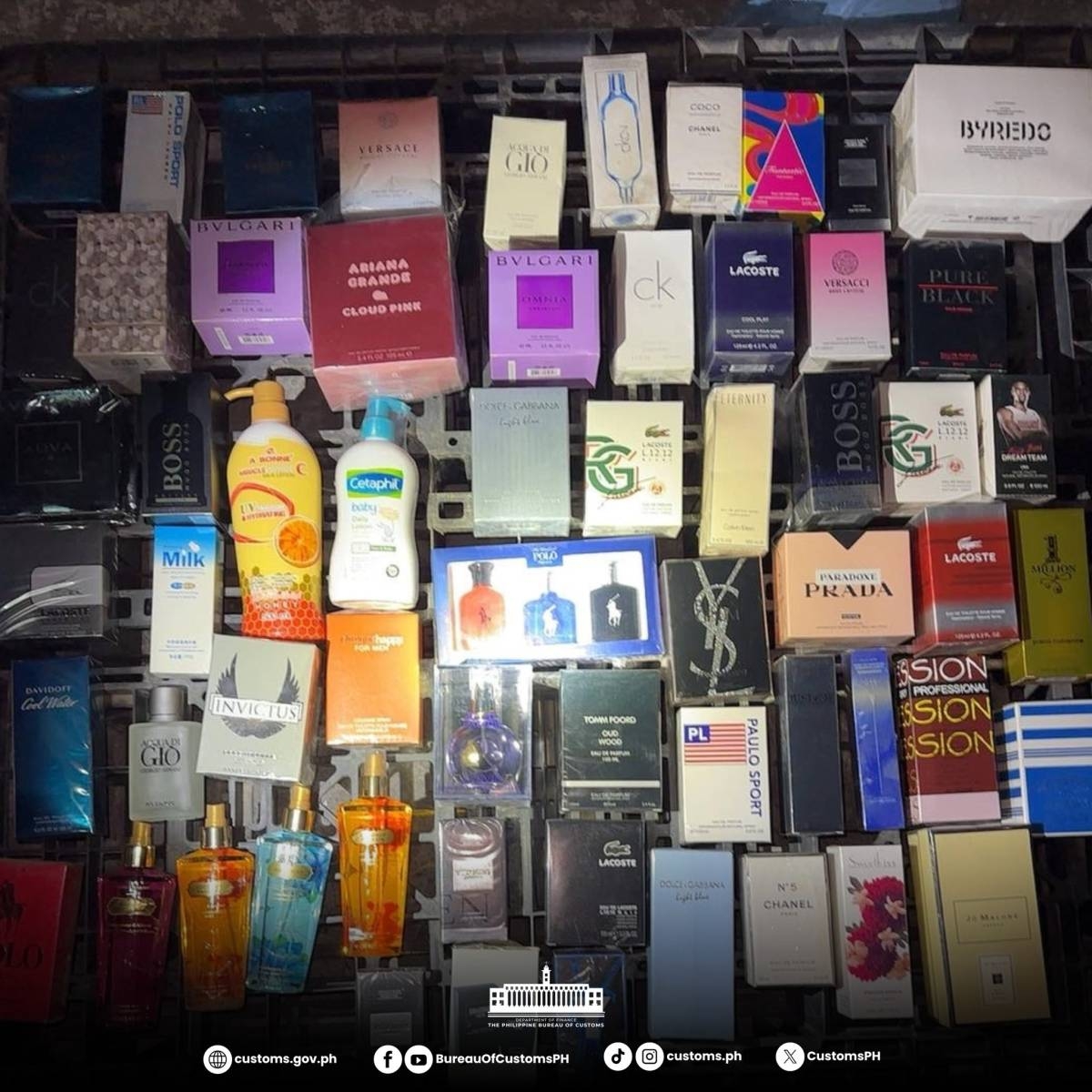
Bureau of Customs Hits Counterfeit Luxury Market with ₱705M Valenzuela Raid

The Bureau of Customs has executed a high-value raid in Valenzuela City, seizing ₱705 million in counterfeit luxury goods, marking a major milestone in local anti-counterfeiting enforcement.
A Major Blow to the Illicit Luxury Trade
In a significant enforcement operation targeting the proliferation of intellectual property rights infringements, the Philippine Bureau of Customs (BOC) has successfully seized a cache of counterfeit luxury perfumes and cosmetic products valued at approximately ₱705 million. The raid, conducted in Valenzuela City, stands as one of the agency’s most substantial anti-counterfeiting interventions of the current fiscal year, underscoring a hardening stance against the underground market for high-end consumer goods.
While the BOC has not disclosed the specific brands recovered in the operation, the scale of the haul—valued at nearly three-quarters of a billion pesos—suggests a highly organized supply chain operation aimed at infiltrating local retail channels. The seizure serves as a stark reminder of the persistent challenges faced by luxury manufacturers in protecting brand equity within the Southeast Asian market.
The Economic Impact of Counterfeiting
For institutional investors and stakeholders in the global consumer goods sector, the illicit trade of luxury goods is far more than a nuisance; it is a direct erosion of brand value and market share. Counterfeiting operations of this magnitude disrupt the legitimate revenue streams of global conglomerates and pose significant risks to supply chain integrity.
Historically, the Philippines has been a focal point for regional efforts to curb the distribution of fake goods. Operations like the one in Valenzuela are essential for maintaining the regulatory environment required for global brands to operate with confidence. By clamping down on non-compliant merchandise, the BOC is effectively protecting the tax base and ensuring that legitimate retailers are not undercut by illicit, duty-evading competitors.
Market Implications and Regulatory Oversight
For traders and analysts monitoring the retail sector, the BOC’s aggressive posture is a positive development for consumer confidence. The rampant sale of counterfeit cosmetics, in particular, poses health risks that can lead to class-action litigation and reputational damage for legitimate companies if brands are not properly defended.
Furthermore, this seizure highlights the ongoing efficacy of the BOC’s intelligence-led enforcement strategy. By targeting warehousing facilities in industrial hubs like Valenzuela, the agency is disrupting the "last mile" of the counterfeit distribution network before these products reach the consumer market. Investors should watch for further updates from the BOC regarding the disposal of these goods and any potential legal actions taken against the warehouse operators, as these will serve as indicators of the severity with which the Philippines intends to prosecute intellectual property theft moving forward.
Outlook: What Traders Should Monitor
As the BOC continues its intensified campaign against smuggling and illicit commerce, the impact on the retail landscape remains a key variable for market observers. Traders should monitor the following in the coming months:
- Border Enforcement Data: Continued spikes in seizure values may signal a broader crackdown, potentially affecting the short-term supply of imported consumer goods.
- Regulatory Compliance Updates: Any shifts in government policy regarding the importation of luxury goods or stricter oversight of bonded warehouses could alter the cost basis for legitimate importers.
- Brand Protection Initiatives: Increased cooperation between the BOC and multinational corporations to identify counterfeit shipments before they clear customs could lead to more frequent, albeit smaller, seizures that signal a tightening of the border.
While this single raid in Valenzuela does not shift the broader macro-economic landscape of the Philippines, it is a critical data point for those tracking the health of the retail and luxury sectors. The protection of intellectual property remains a cornerstone of a functional, modern market economy, and the BOC’s latest action is a clear signal that the agency remains committed to this objective.