Macro● Neutral
U.S.-Brazil Security Pact Targets Transnational Crime Networks
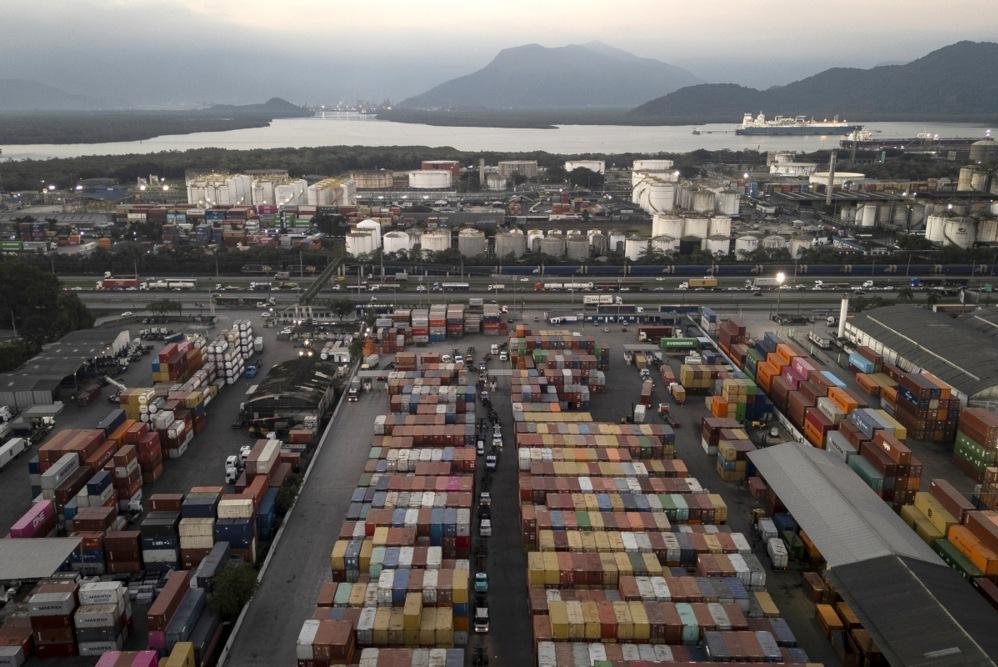
New intelligence-sharing protocols aim to secure trade corridors from criminal interference, potentially reducing volatility for export-heavy industries.
Continue with
A New Frontier in Hemispheric Security
In a significant development for regional stability and trade security, the Brazilian government announced on Friday a formal agreement with the United States aimed at intensifying cooperation against transnational organized crime. The initiative is designed to dismantle sophisticated criminal syndicates that have increasingly utilized international supply chains to facilitate the illicit movement of goods and contraband across borders.
While the partnership spans several areas of law enforcement, a primary focus remains the disruption of illegal shipment networks. These illicit operations have long posed a challenge to both local authorities and international logistics providers, creating vulnerabilities in trade corridors that connect South America to North American markets.
Contextualizing the Threat to Global Supply Chains
For decades, the illicit trade of goods has been a persistent friction point in U.S.-Brazil relations. Transnational criminal organizations have evolved from localized gangs into complex logistics operators, often masquerading as legitimate entities to bypass customs and security protocols. By embedding illicit shipments within standard commercial freight, these groups have complicated the efforts of border control agencies and port authorities.
This agreement signals a transition toward a more integrated intelligence-sharing framework. By aligning the investigative resources of the U.S. Department of Justice and its counterparts in Brasilia, the two nations intend to create a more robust defensive perimeter. For the private sector, this move is viewed as a necessary step toward stabilizing the integrity of cross-border trade, which has occasionally been disrupted by heightened security crackdowns necessitated by criminal activity.