Macro● Neutral
Borders Railway Extension: 2027 Business Case Set for Delivery
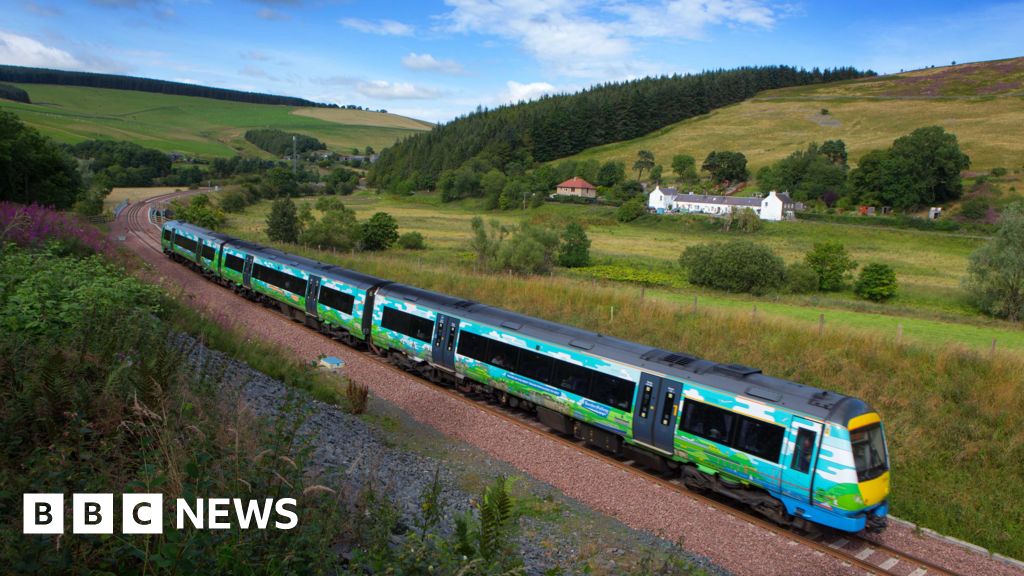
Formal plans to connect the Scottish Borders to Carlisle arrive in 2027, signaling a major infrastructure catalyst for regional rail and transport investors.
Continue with
A Critical Infrastructure Milestone
The long-anticipated expansion of the Borders Railway has reached a pivotal juncture, with transport officials confirming that the formal business case for the project is slated for completion by late 2027. This development marks a significant step forward in evaluating the feasibility of extending the line beyond its current terminus at Tweedbank, potentially reconnecting the Scottish Borders with Carlisle.
For regional stakeholders and infrastructure investors, the 2027 deadline provides a concrete timeline for a project that has long been discussed as a transformative opportunity for connectivity in the UK’s northern regions. The proposed extension, which would stretch across the border into Cumbria, aims to bridge a historical gap in the rail network, potentially unlocking new economic corridors and labor market mobility.
The Strategic Rationale for Extension
The current Borders Railway, which reopened in 2015, has been hailed as a success, exceeding initial patronage projections and revitalizing local tourism and housing markets. However, the limitation of the line ending at Tweedbank has left a notable void in cross-border connectivity. By extending the line to Carlisle, the rail infrastructure would effectively create a loop connecting the Scottish Central Belt with the West Coast Main Line, providing a more robust transport backbone.
Proponents of the extension argue that the project is not merely about track mileage, but about economic integration. Carlisle serves as a major regional hub, and a direct rail link would drastically reduce commute times and provide a viable alternative to road transport, which currently suffers from congestion on key arterial routes. The business case will be tasked with quantifying these benefits, balancing the high capital expenditure required for construction against long-term gains in regional GDP, carbon emission reductions, and improved access to employment.