Macro● Neutral
BJP Targets Tamil Nadu Youth with ₹15 Lakh Startup Loans
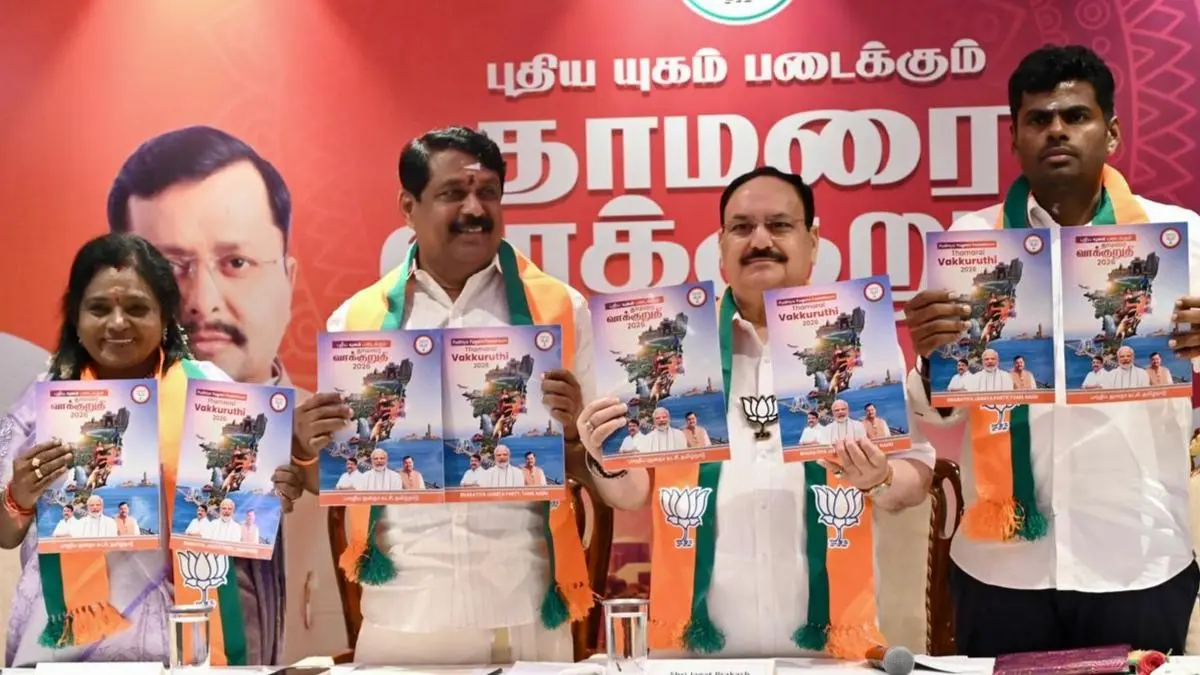
The party plans to back 2,000 first-time entrepreneurs with interest-free capital. Watch for implementation timelines to gauge the impact on regional growth.
Continue with
The Bharatiya Janata Party (BJP) has released a 27-point manifesto for the upcoming Tamil Nadu polls, aiming to capture the youth vote through targeted financial support for startups. The party’s platform centers on direct capital infusion, specifically proposing interest-free loans for new business owners.
The Financial Roadmap for Startups
The centerpiece of the BJP’s economic proposal is a credit program designed to lower the barrier to entry for first-time founders. Under this scheme, the party pledges to provide interest-free loans up to ₹15 lakh for 2,000 first-time youth entrepreneurs across the state.
This initiative seeks to stimulate local economic activity by providing seed capital without the burden of interest payments. For those monitoring market analysis, the effectiveness of such localized credit programs often hinges on the speed of implementation and the criteria for loan disbursement.
Energy and Infrastructure Incentives
Beyond direct lending, the manifesto integrates national energy policy with state-level economic goals. The party plans to leverage the PM Surya Ghar scheme to offer additional incentives for entrepreneurs. By connecting business development to renewable energy infrastructure, the BJP is positioning its economic platform to align with broader national utility trends.