Safety Crisis Hits Household Cleaning Giant
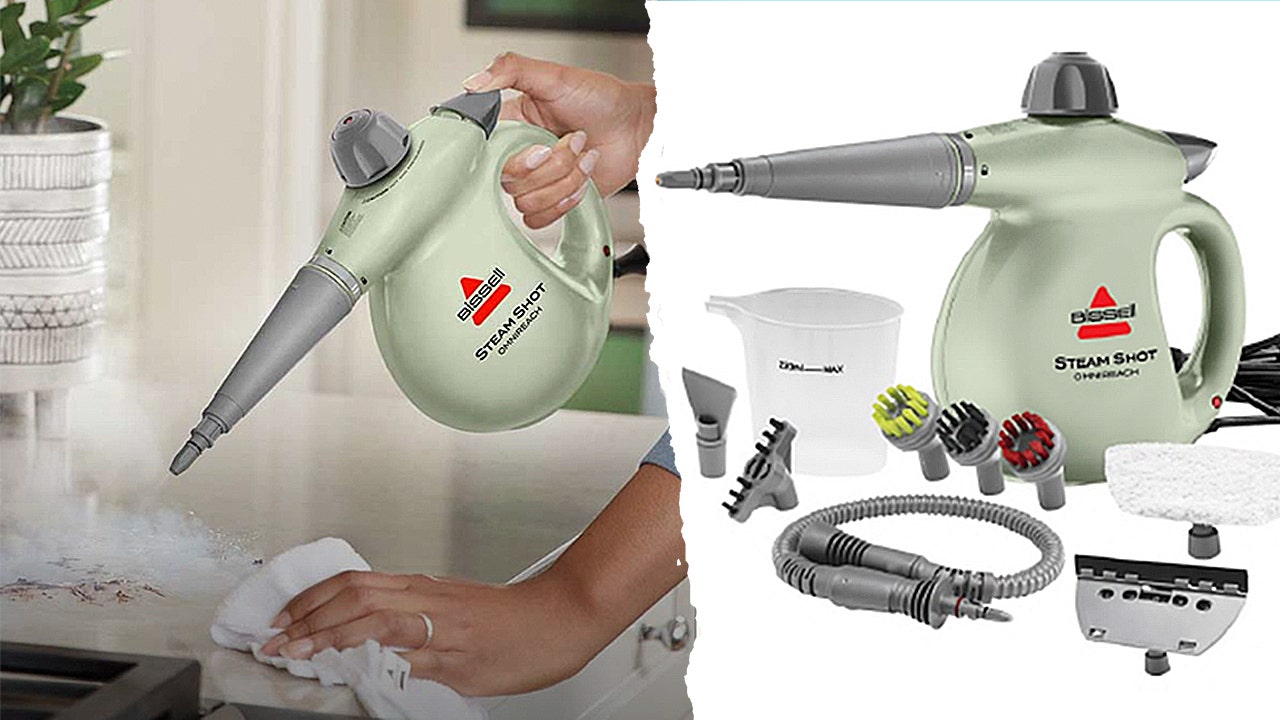
Bissell, the venerable homecare appliance manufacturer, has initiated a significant product recall impacting approximately 1.7 million steam cleaners across the United States. The move follows a surge in consumer reports detailing hardware failures that have resulted in over 150 documented injuries. The recall centers on specific models where the steam cleaner’s heating element or attachment mechanisms have malfunctioned, leading to the unexpected release of scalding-hot steam during operation.
According to the official safety notice, the primary defect involves the potential for the heating element to overheat, causing the attachments to detach unexpectedly. This mechanical failure poses a direct and "serious burn hazard" to users, as the pressurized, high-temperature steam is released in a manner not intended by the product’s design. The scale of this recall—at 1.7 million units—represents a substantial operational and reputational challenge for the privately held company, which has long been a staple in the North American household goods market.
Data Points and Consumer Impact
The figures released alongside the recall underscore the severity of the situation. With the injury count exceeding 150, the company is facing heightened scrutiny regarding its quality control protocols. The recall encompasses multiple models of Bissell steam cleaners, and consumers are being urged to immediately cease the use of the affected units.
For investors and market observers, the financial implications of such a widespread recall are twofold. First, there is the direct cost associated with the recall process, including logistics, replacement programs, and potential compensation for those harmed. Second, there is the broader risk of brand dilution. In the competitive consumer appliance space, where brand loyalty is often tied to reliability and safety, a recall of this magnitude can lead to a measurable shift in market share if consumers pivot toward competitors like SharkNinja or Dyson.
Market Context: The Cost of Quality Control
Product recalls in the consumer goods sector are increasingly common, but the physical nature of the injuries reported here places this incident in a higher risk category. Unlike software-based recalls or aesthetic defects, the risk of physical trauma—specifically burns—often leads to more aggressive regulatory intervention and potential litigation.
Historically, companies that handle such recalls with transparency and efficiency tend to recover their standing; however, the sheer volume of units involved suggests that Bissell will face a sustained period of logistical pressure. For retail traders and analysts monitoring the consumer discretionary sector, this event serves as a reminder of the "hidden" risks inherent in manufacturing-heavy companies. Supply chain disruptions or manufacturing defects can manifest with a lag, turning a successful product line into a liability overnight.
What to Watch Next
Moving forward, the focus will shift to how effectively Bissell communicates the recall process to its customer base and the impact on its quarterly performance metrics. Stakeholders should watch for any subsequent announcements regarding potential lawsuits or further regulatory action from the Consumer Product Safety Commission (CPSC).
Additionally, analysts will be looking for commentary on whether this recall indicates a broader systemic issue within the company’s manufacturing partners or if it is an isolated defect specific to these models. As the company works to replace or repair the 1.7 million units, the logistical burden will likely weigh on short-term operational margins. Investors should monitor consumer sentiment reports and secondary market data to see if the brand’s reputation sustains long-term damage or if the swift recall response successfully mitigates the fallout.