Back to Markets
Macro● Neutral

Banking Operations in India: Navigating the RBI Holiday Calendar for April 11, 2026

April 11, 2026 at 01:30 AMBy AlphaScalaSource: economictimes.indiatimes.com
Banking Operations in India: Navigating the RBI Holiday Calendar for April 11, 2026

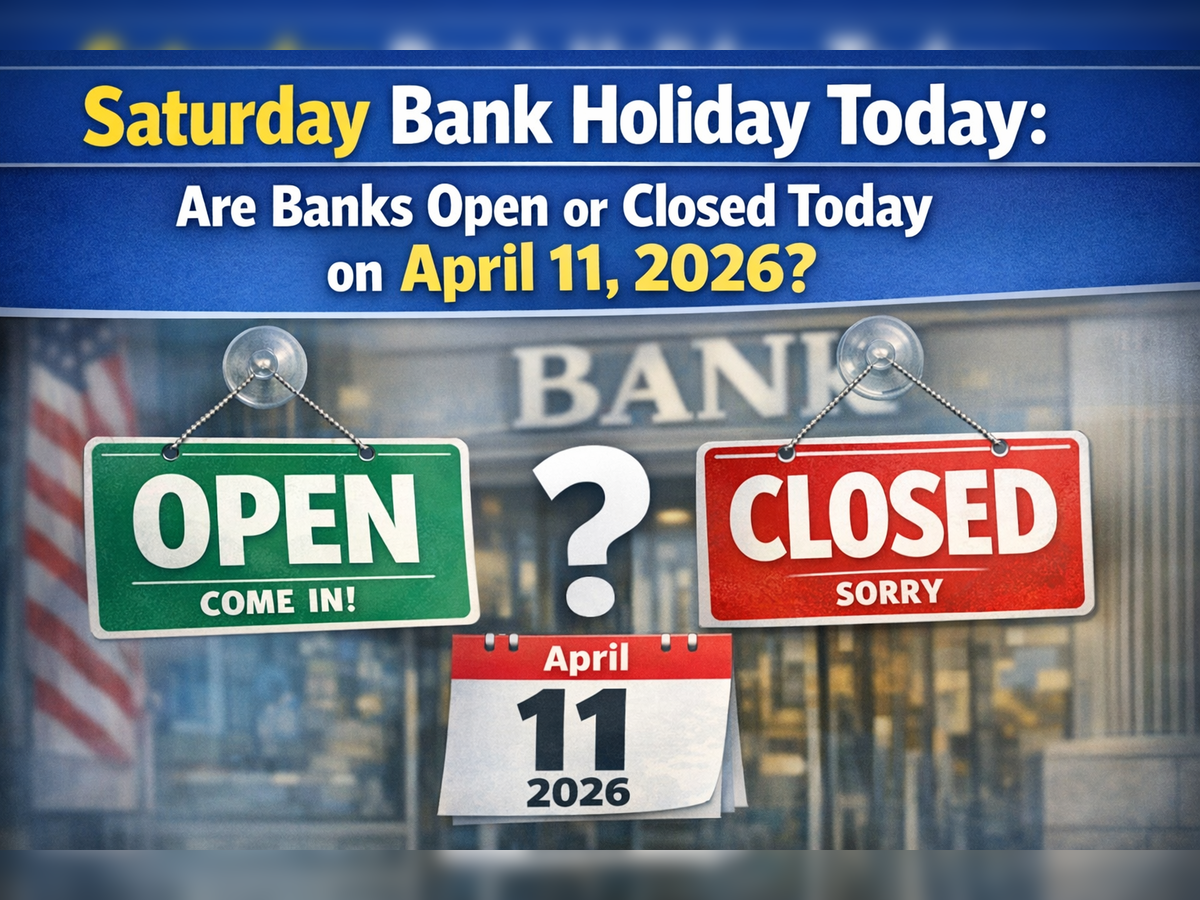
As April 11, 2026, falls on the second Saturday of the month, all banking institutions in India will be closed in accordance with Reserve Bank of India (RBI) mandates.

Understanding the RBI Holiday Protocol

For market participants and institutional traders operating within the Indian financial ecosystem, clarity regarding banking availability is essential for liquidity management and settlement scheduling. As of today, April 11, 2026, questions have surfaced regarding the operational status of banking institutions across the country. According to the Reserve Bank of India (RBI) guidelines, banks maintain a standardized holiday schedule that dictates their operational hours, ensuring consistency across both public and private sectors.

The regulatory framework established by the RBI mandates that all commercial banks observe specific closures. These include all Sundays, as well as the second and fourth Saturdays of every calendar month. Additionally, banks must adhere to regional and national holidays as formally declared in the RBI’s annual holiday calendar.

The April 11, 2026 Status

To address the immediate operational status: April 11, 2026, falls on the second Saturday of the month. Under the established RBI policy—which transitioned to a system where banks remain closed on the second and fourth Saturdays—all banking institutions in India will be closed today.

This closure applies to both core banking services and many administrative functions. For traders and businesses, this means that while digital banking channels, mobile applications, and automated teller machines (ATMs) typically remain operational for basic transactions, physical branch services and inter-bank clearing processes will remain suspended until the next business day.

Why This Matters for Market Liquidity

For the professional trading community, the closure of traditional banking channels on a second Saturday has distinct implications. While modern electronic trading platforms and stock exchanges often operate independently of retail banking branch hours, the settlement of funds and the processing of certain high-value financial instruments are intrinsically linked to the banking system’s operational days.

When a bank holiday occurs, institutional clients should anticipate potential delays in manual fund transfers, check clearing, and specific credit-based settlements. Traders who rely on real-time liquidity from retail banking branches may experience friction during these intervals. It is standard practice for professional desks to account for these "non-working" days when planning capital deployment, specifically regarding the T+1 or T+2 settlement cycles that govern equity markets.

Strategic Considerations and Future Monitoring

Market participants should remain vigilant regarding the RBI’s holiday calendar, as regional holidays can vary significantly based on state-specific observances. While federal mandates cover the second and fourth Saturdays, regional festivals or state-specific commemorative days can lead to localized closures that might not appear on a national schedule.

Traders are encouraged to cross-reference their transaction timelines with the official RBI holiday portal to mitigate the risk of settlement failure or liquidity bottlenecks. As we move through the second quarter of 2026, maintaining an updated internal calendar of these closures remains a fundamental component of effective risk management for those with exposure to the Indian financial markets.