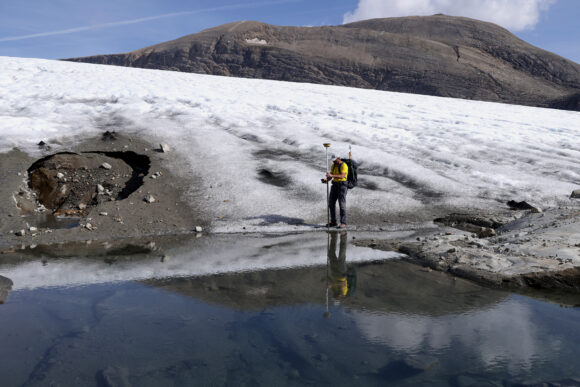
The Decline of Alpine Power
Austria has historically relied on the power of its mountains to keep the lights on. For decades, the nation’s economic engine hummed along on energy generated by Alpine water flowing through turbines. That model is now under pressure. Changing climate patterns have introduced the concept of 'peak water,' a reality where the consistent, predictable flow of glacial melt and rainfall can no longer be guaranteed.
Energy providers are finding it difficult to maintain historical output levels. As internal supply chains for electricity experience friction, the country must reconsider its long-term energy security. This shift carries weight for those monitoring market analysis regarding European energy pricing and infrastructure stability.
The Data Behind the Shortage
Hydroelectric production accounts for a massive share of the nation's energy mix, yet the volatility of these resources is increasing. Experts point to a few core metrics that define the current situation:
- Hydropower dependency: Over 60% of Austria's domestic electricity generation typically stems from hydro sources.
- Glacial retreat: Regional studies show a reduction in ice volume that has accelerated over the last decade.
- Supply variance: Seasonal output now fluctuates by as much as 15% to 20% compared to historical averages established in the 1990s.
"The reliability of our traditional power sources is no longer a given. We are seeing a structural change in how our water resources respond to thermal shifts, which complicates our base-load capacity planning," noted a senior industry analyst tracking the Alpine energy corridor.
Market Impacts and Strategic Shifts
Traders are already pricing in the uncertainty. If domestic output fails to meet the baseline, Austria must import higher-cost energy from neighboring states. This creates a direct link to broader crude oil profile trends, as reliance on thermal power often spikes when renewable baseloads fail to deliver.
Investors looking at the utility sector should watch these indicators:
| Metric | Impact on Supply | Risk Level |
|---|
| Reservoir Levels | High | Elevated |
| Precipitation Rates | Moderate | Seasonal |
| Grid Import Costs | High | Increasing |
Watching the Grid
What happens next depends on how quickly the government can diversify its energy portfolio. The transition away from total reliance on Alpine runoff is not a choice, but a necessity. Policymakers are under pressure to integrate more solar and wind capacity, though these sources lack the consistent storage capabilities of large-scale hydro reservoirs.
Participants in the energy sector should keep a close eye on upcoming infrastructure tenders and quarterly reports from major utilities. The stability of the Austrian grid is a bellwether for how landlocked European nations will handle the transition toward a post-peak water reality. If the current trend persists, expect higher volatility in local energy pricing and a potential re-evaluation of long-term utility valuations.