Stocks● Neutral
Augusta’s Aerial Siege: How The Masters Drives Private Aviation
Private jet operators are transforming Augusta’s airfields into a high-stakes theater to capture elite clientele and secure lucrative multi-year contracts.
Continue with
The High-Altitude Stakes of the Green Jacket
For the private aviation sector, the first week of April is no longer just about golf; it is the most concentrated period of high-net-worth logistics in the world. As the world’s elite descend upon Augusta, Georgia, for The Masters, private jet operators are transforming the surrounding airfields into a high-stakes theater of exclusivity, pulling out all the stops to capture the industry’s most affluent clientele.
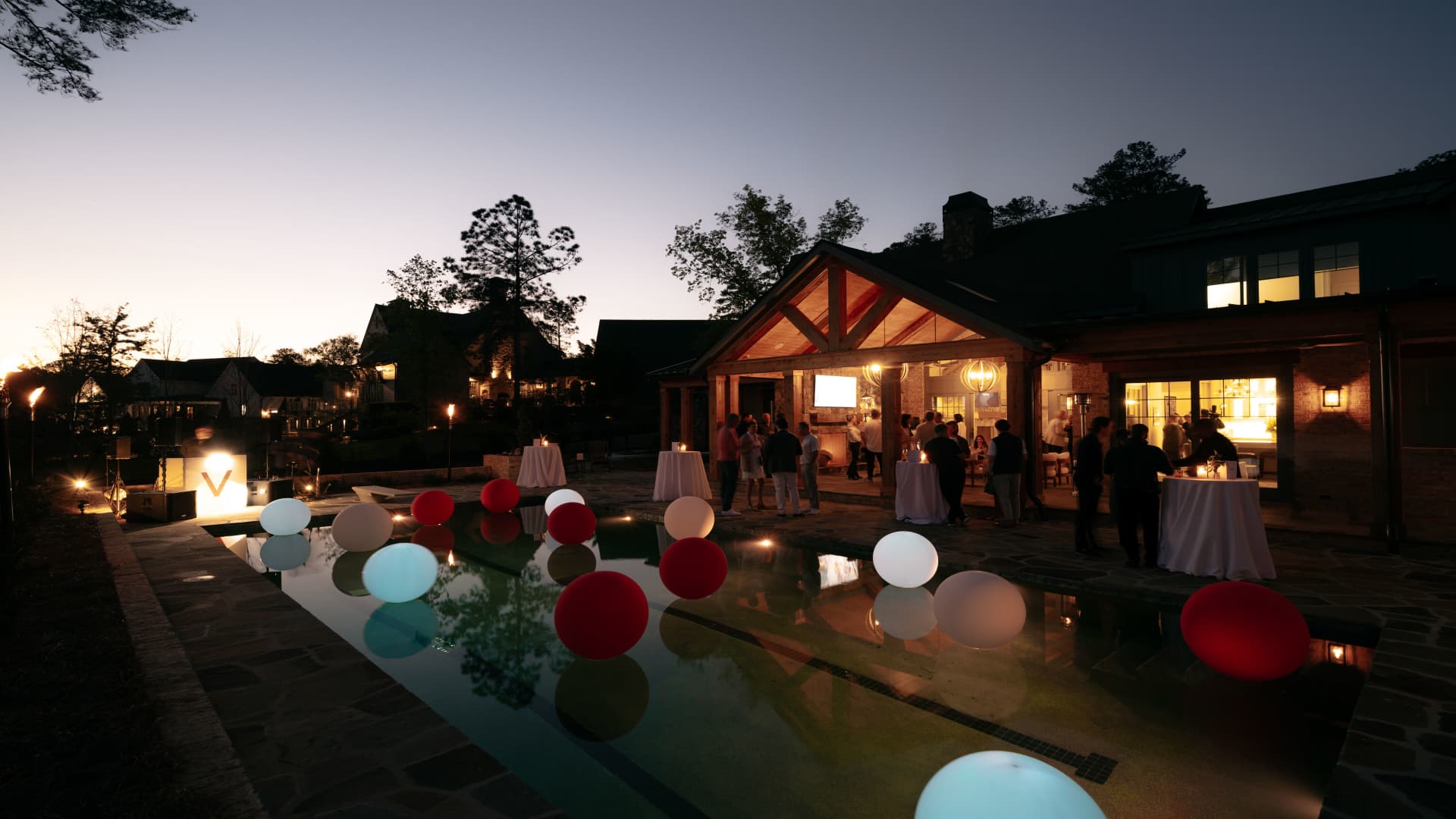
While the tournament itself remains the central draw, the battle for the skies has shifted toward the ground. Private jet companies are now aggressively competing for high-spending customers by offering lavish, bespoke on-the-ground experiences. This shift represents a broader trend in luxury travel: the commoditization of the flight is no longer enough. To retain top-tier clients, aviation firms are increasingly acting as full-service hospitality providers, curating everything from luxury transportation to exclusive off-course amenities near the Augusta National Golf Club.
A Logistical Marathon for Operators
Regional airports surrounding Augusta, including Augusta Regional Airport (AGS) and nearby satellite fields like Daniel Field, see their traffic volume spike to levels that rival major international hubs. For private jet operators, this surge is a double-edged sword. While it represents a seasonal revenue peak, the logistical complexity—slot management, hangar space limitations, and the sheer volume of ultra-long-range aircraft—requires surgical precision.
To differentiate themselves in this crowded sky, operators are moving beyond simple logistics. Companies are now embedding themselves into the tournament experience, offering clients seamless transitions from the tarmac to the fairways. These "on-the-ground" experiences, which include private luxury shuttles, curated hospitality suites, and concierge services, are designed to solve the "last-mile" problem that plagues even the wealthiest travelers during high-demand events.