A Critical Infrastructure Milestone for Southern Africa
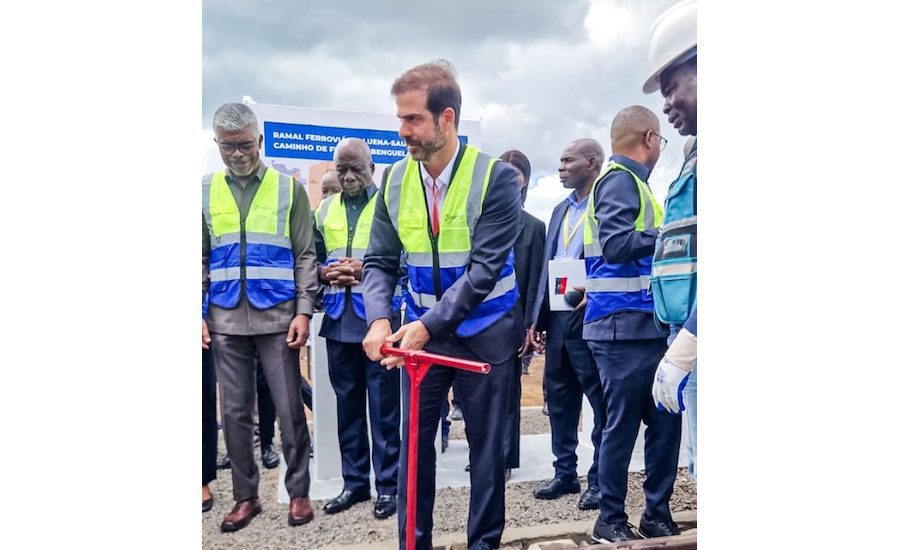
Angola has officially moved to the construction phase of a monumental $1.17 billion rail expansion project, a development poised to reshape the logistics landscape of West and Southern Africa. By bridging critical gaps in the existing rail network, the project aims to create a seamless international trade corridor, facilitating more efficient movement of goods across borders and drastically reducing the logistical overhead that has historically burdened regional commerce.
This infrastructure investment represents more than just a domestic transportation upgrade; it is a strategic maneuver to integrate Angola into broader continental trade initiatives. The new rail segments are designed to connect existing, disparate networks into a cohesive, high-capacity system, effectively turning the nation into a transit hub for commodities and consumer goods alike.
Why Connectivity Matters
For decades, the lack of interconnected rail infrastructure has been a primary bottleneck for economic development in the region. By modernizing and extending these routes, Angola is positioning itself to capitalize on the African Continental Free Trade Area (AfCFTA) framework. The project is expected to enhance the export potential of Angola’s natural resources while lowering the cost of imported goods, thereby stimulating local industrial activity.
From a macroeconomic perspective, the $1.17 billion capital injection serves as a significant stimulus for the Angolan economy. Large-scale construction projects of this magnitude typically have a multiplier effect, driving demand for raw materials, engineering services, and local labor. Furthermore, the completed corridor will likely attract foreign direct investment (FDI) as logistical reliability increases, a key prerequisite for multinational corporations looking to establish manufacturing or processing facilities in the region.
Implications for Investors and Regional Markets
Traders and investors should view this development as a signal of long-term structural improvement in Angola’s business environment. While the project is capital-intensive and subject to the typical execution risks inherent in large-scale infrastructure—such as regulatory hurdles and potential construction delays—the long-term payoff is significant.
Historically, the development of trans-continental rail links—similar to those seen in other emerging markets—has been a precursor to increased trade volume and currency stabilization. As the rail corridor comes online, it will likely reduce the country’s reliance on road transport, which is frequently prone to higher costs and capacity limitations. For investors focused on African frontier markets, this project serves as a tangible indicator of Angola’s commitment to modernizing its trade infrastructure to meet the demands of a globalized economy.
Looking Ahead: The Path to Completion
As the project transitions from the planning phase to active construction, market observers will be closely monitoring the timeline for completion and the subsequent impact on trade figures. The success of this rail corridor will depend heavily on the government’s ability to manage the integration of various regional stakeholders and ensure that the infrastructure remains interoperable with neighboring countries' networks.
Moving forward, the primary metric to watch will be the efficiency gains reported by the logistics sector once the first segments of the line become operational. Should the project meet its performance benchmarks, it could set a precedent for similar infrastructure investments across the African continent, further solidifying the region's role as an emerging engine of global trade.