The Overlooked Perk in Amazon’s Prime Ecosystem
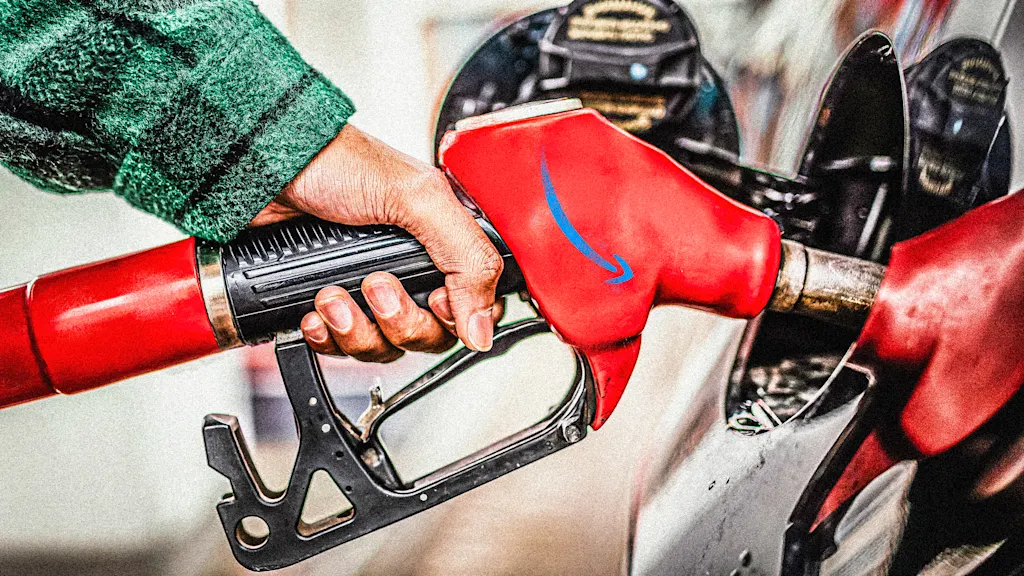
In an era where consumer loyalty programs are increasingly scrutinized for their tangible impact on household budgets, Amazon has quietly integrated a fuel discount program that remains largely underutilized by its massive Prime subscriber base. While the e-commerce giant is synonymous with rapid logistics and digital entertainment, its foray into brick-and-mortar fuel savings—a benefit of up to 20 cents per gallon—has flown under the radar for a significant portion of its members.
Despite the clear inflationary pressures on the American consumer, data suggests that the adoption rate of this specific Prime perk is surprisingly low. This disconnect between the availability of the offer and the actual consumer participation rate highlights a rare friction point in Amazon’s otherwise seamless ecosystem.
Understanding the Mechanics
The discount, which promises a reduction of 20¢ per gallon at participating fuel stations, is designed to incentivize Prime members to bridge the gap between their online shopping habits and their physical-world expenditures. For the average commuter, this represents a non-trivial reduction in monthly operating costs. Yet, industry analysts point out that the complexity of activating such discounts—often requiring digital linkage or specific app navigation—can serve as a barrier to entry for the casual user.
Amazon’s strategy here is two-fold: first, to increase the perceived value of the Prime subscription beyond free shipping and streaming; and second, to gather deeper insights into the consumer’s physical retail footprint. By tying fuel savings to the Prime account, Amazon gains visibility into spending habits that extend well beyond their own proprietary platforms.
Why This Matters for Investors
For market observers and shareholders, this underutilized perk is a bellwether for Amazon’s broader retail strategy. As the company faces stiff competition from big-box retailers like Walmart and Costco—both of which have mastered integrated fuel discount models—Amazon’s ability to successfully migrate its digital loyalty into the gas station forecourt is critical.
If Amazon can successfully drive higher adoption of this fuel discount, it will likely lead to increased "stickiness" within the Prime ecosystem. Higher retention rates directly correlate to the lifetime value (LTV) of a Prime member, a metric that Wall Street watches closely during quarterly earnings reports. Conversely, the low current usage rate suggests a missed opportunity for the company to solidify its dominance in the everyday-spending category.
Market Context and Competitive Positioning
Historically, fuel discounts have been a cornerstone of loyalty programs for traditional brick-and-mortar chains. By entering this space, Amazon is attempting to commoditize a benefit that traditionally requires a physical store presence. The challenge, however, remains the psychological hurdle: Prime members are conditioned to think of Amazon as a delivery service, not a partner in their daily commute.
For the retail investor, the success of this program provides a litmus test for Amazon’s "physical retail" ambition. As the company continues to experiment with its grocery and logistics footprint, the ability to leverage Prime as a central hub for all consumer spending—fuel included—will be a key indicator of its long-term growth potential in the retail sector.
What to Watch Next
Moving forward, traders should monitor whether Amazon launches a more aggressive marketing campaign to push this feature. An uptick in participation would serve as a positive signal for retail engagement metrics. Furthermore, watch for any shifts in partnership agreements with fuel retailers. Should Amazon successfully integrate this perk into a wider network of stations, it could force competitors to re-evaluate their own loyalty offerings, potentially sparking a new wave of "loyalty wars" in the consumer retail space.
For now, the 20-cent discount remains a quiet, yet potentially powerful, tool in the giant’s arsenal—a sleeping giant of a perk that, if awakened, could significantly alter the competitive landscape of consumer loyalty.