Stocks● Neutral
How a $250M London Fund Profits From Africa’s Urbanization
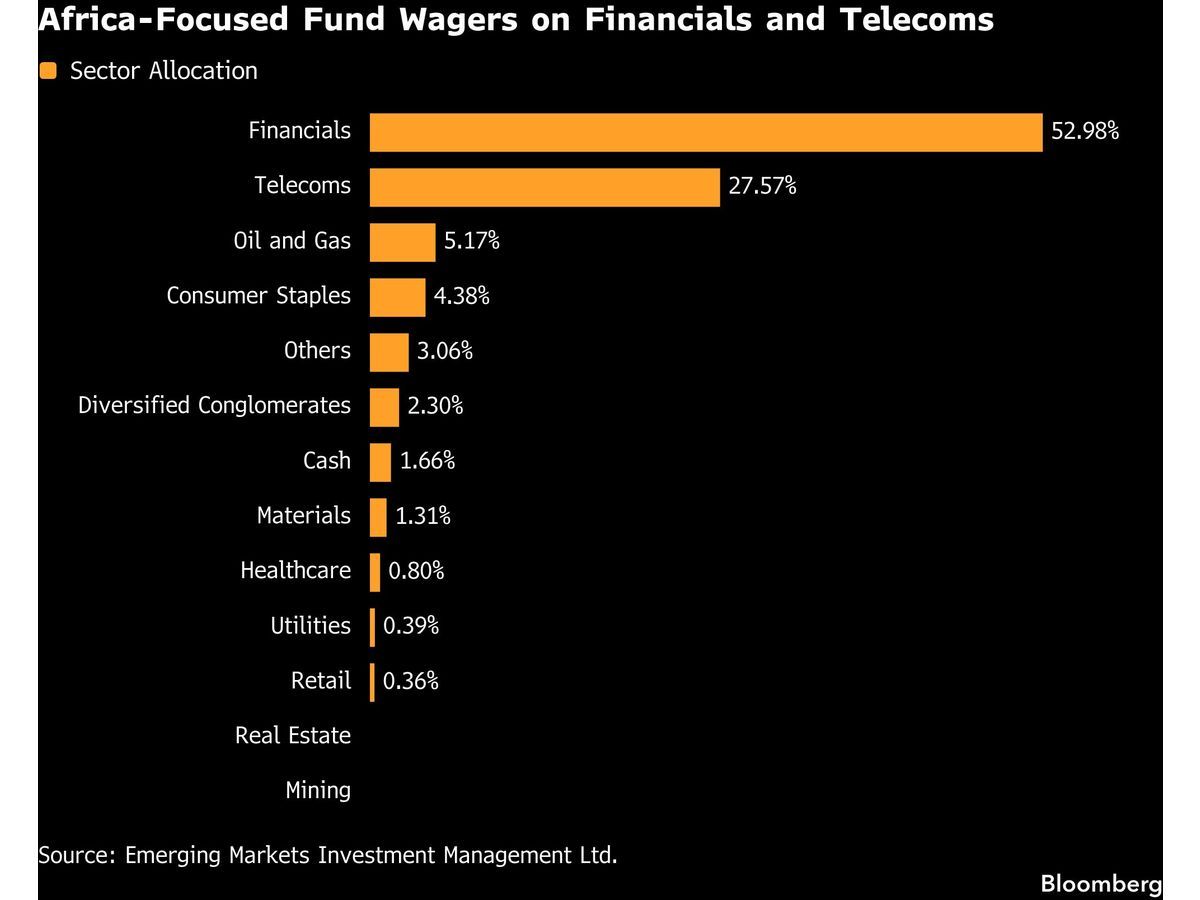
By targeting financial services and telcos, this fund is outperforming emerging market benchmarks. Watch for expansion into secondary urban hubs next.
Continue with
A Strategic Shift Toward African Growth
In an investment landscape often characterized by volatility and macroeconomic uncertainty, one London-based equity fund is demonstrating that disciplined exposure to Africa’s structural transformation can yield market-leading results. Managing a $250 million portfolio, the fund has successfully pivoted its strategy to capitalize on the continent’s rapid urbanization, placing aggressive bets on the financial services and telecommunications sectors.
While many global investors remain hesitant due to currency fluctuations and geopolitical headwinds in emerging markets, this fund’s performance highlights a growing conviction: the African growth story is increasingly defined by the digital and financial integration of its burgeoning urban population. By focusing on firms that facilitate the daily economic lives of millions, the fund has carved out a unique alpha-generating strategy.
The Engine of Growth: Banking and Connectivity
The fund’s dual-focus on banking and telecommunications is neither accidental nor purely speculative; it is a direct play on the demographic dividend. As Africa’s urban centers expand, the demand for formal banking services—ranging from micro-lending to digital payment infrastructure—has surged. Simultaneously, telecommunications providers are serving as the essential backbone for this digital transition, providing the connectivity required for mobile banking and commerce to flourish.
For the fund’s managers, these sectors represent the "picks and shovels" of Africa’s modernization. Banks are benefitting from increased formalization of the economy, while telcos are capturing a larger share of consumer spending as mobile data becomes as fundamental as electricity or water. This strategic concentration has allowed the fund to outperform broader emerging market benchmarks, proving that targeted exposure to domestic demand is more effective than broad-based commodity bets in the current cycle.