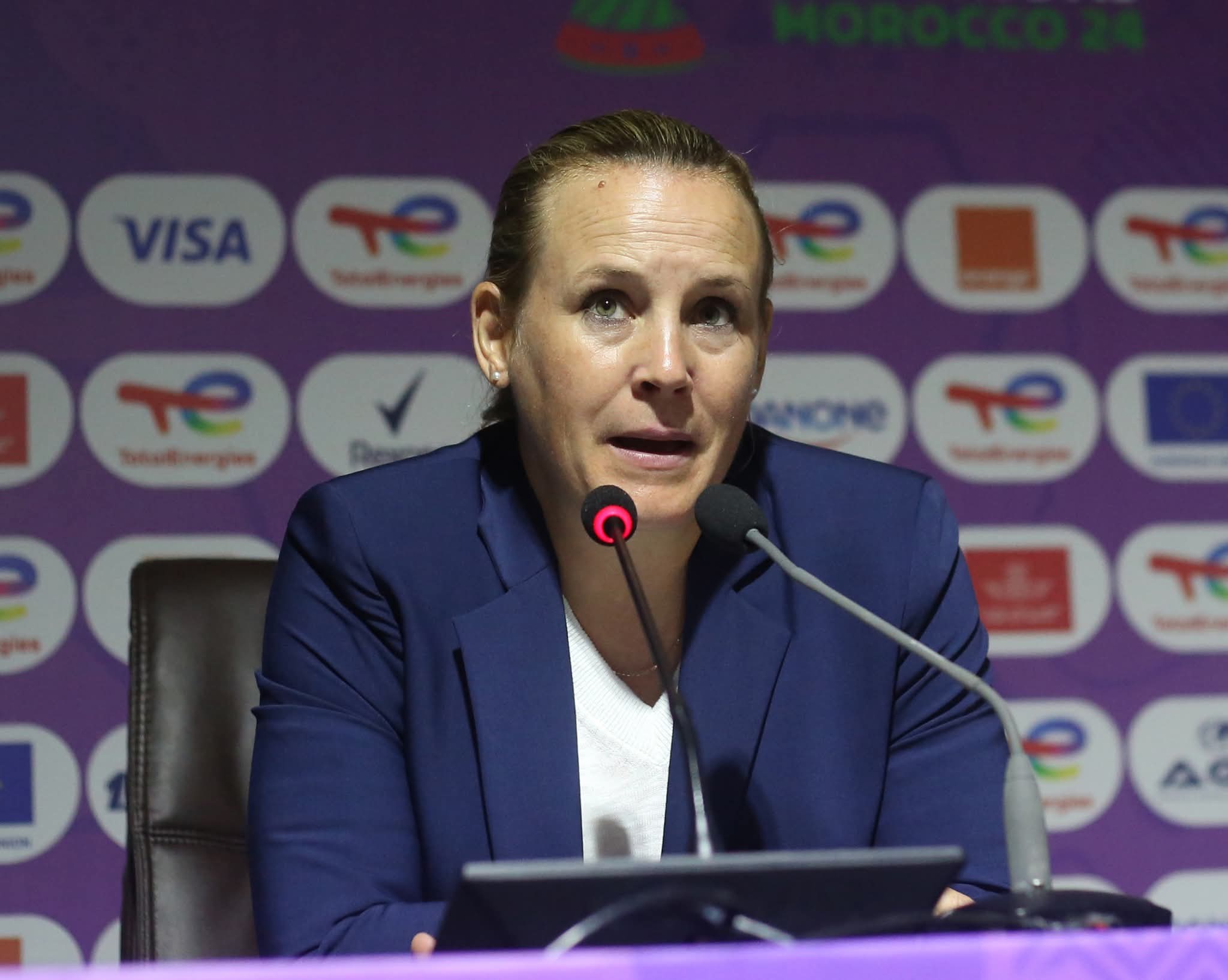
A Crisis of Confidence
The Zambian national women’s football team, the Copper Queens, finds itself embroiled in a deepening crisis as head coach Nora Hauptle publicly attributed recent player boycotts to a systemic decay in institutional standards. The comments, which have sent shockwaves through the local sporting landscape, underscore the friction between management and athletes during a pivotal period for the team, highlighted by their participation in the 2024 Women’s Africa Cup of Nations (WAFCON) match against Senegal in Mohammadia on July 9, 2025.
For stakeholders and observers of sports administration, Hauptle’s candid assessment serves as a stark reminder of how internal governance failures can directly impact performance, team morale, and long-term viability. The disconnect between the coaching staff’s professional expectations and the administrative reality facing the players has reached a breaking point, raising questions about the sustainability of the current organizational framework.
The Roots of Dissent
The recent boycotts, which saw players withdraw their services in protest of conditions, are not merely isolated incidents of player dissatisfaction; they are symptomatic of broader operational inefficiencies. Hauptle’s assertion that the boycotts are a direct result of falling standards points to a lack of investment and professional oversight that has plagued the team’s preparations.
When a high-performance team is forced to contend with off-field administrative hurdles—ranging from logistics and compensation to medical and technical support—the focus inevitably shifts from the pitch to the boardroom. For the Copper Queens, who have historically been a beacon of talent in African football, this internal instability threatens to derail the momentum they have built on the continental stage.
Market Implications: The Cost of Instability
While this story centers on the sports sector, the implications of poor institutional management are universal. In any high-stakes environment, whether it be a corporate entity or a national sports body, the erosion of internal standards is a leading indicator of decline.
For investors and analysts who track the sports industry, the situation in Zambia highlights a critical risk factor: governance. When leadership fails to maintain the standards necessary for competitive success, the brand value of the asset—in this case, the national team—suffers. This can lead to a withdrawal of sponsorship, reduced media interest, and a decline in the overall commercial attractiveness of the team’s future campaigns. The "boycott" is essentially a market correction, where human capital refuses to participate in a system that no longer meets its fundamental requirements.
Looking Ahead: A Call for Reform
As the fallout from these comments continues to permeate the Zambian sports ecosystem, the focus now shifts toward the administrative bodies responsible for overseeing the team. The path toward recovery will likely necessitate a significant overhaul of internal processes and a renewed commitment to professionalizing the environment in which the players operate.
Moving forward, observers should watch for signs of mediation or leadership changes. If the "falling standards" Hauptle describes are not addressed, the cycle of protests and team instability is likely to persist, potentially leading to a long-term dip in the Copper Queens' performance metrics. The immediate challenge for management is to restore trust, without which, the talent pipeline and the integrity of the team’s competitive future remain in jeopardy.