Macro● Neutral
White House Demands Toll-Free Access to Strait of Hormuz
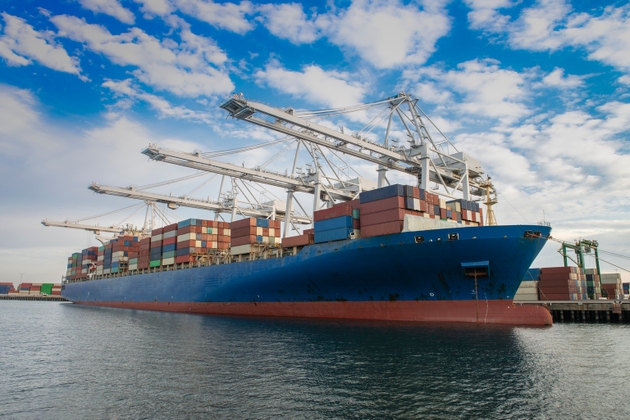
Diplomatic efforts aim to remove the geopolitical risk premium from energy prices. Watch tanker insurance premiums as the primary indicator of market stability.
Continue with
Geopolitical Pressure Mounts on Global Energy Chokepoints
The White House has officially signaled a critical diplomatic push to ensure the Strait of Hormuz remains open and toll-free for international shipping as a fragile ceasefire takes hold in the region. The administration's mandate aims to secure one of the world’s most vital energy corridors, which has been plagued by heightened tensions that threatened the flow of global crude supplies.
For traders and energy analysts, the status of the Strait is a primary bellwether for market volatility. With a significant percentage of the world’s daily oil consumption transiting through this narrow passage, any movement toward stability—or renewed restriction—acts as a direct catalyst for spot price fluctuations in the energy sector.
The Strategic Importance of the Strait
The Strait of Hormuz represents a strategic chokepoint that connects the Persian Gulf to the Gulf of Oman and the Arabian Sea. Historically, the imposition of tolls or the threat of blockade by regional actors has served as a potent geopolitical lever, capable of inducing immediate supply chain shocks. By demanding toll-free access, the U.S. is seeking to institutionalize a return to the status quo, effectively removing the 'geopolitical risk premium' that has been baked into energy prices over the recent period of escalation.
Market observers note that the fragility of the current ceasefire necessitates a cautious outlook. While the rhetoric from the White House is aimed at stabilizing shipping insurance premiums and maintaining the predictability of oil tanker routes, the underlying tension between regional powers remains a wildcard. If the demand for toll-free passage is met with resistance or ignored, the resulting market uncertainty could trigger a swift reversal of recent cooling trends in oil prices.