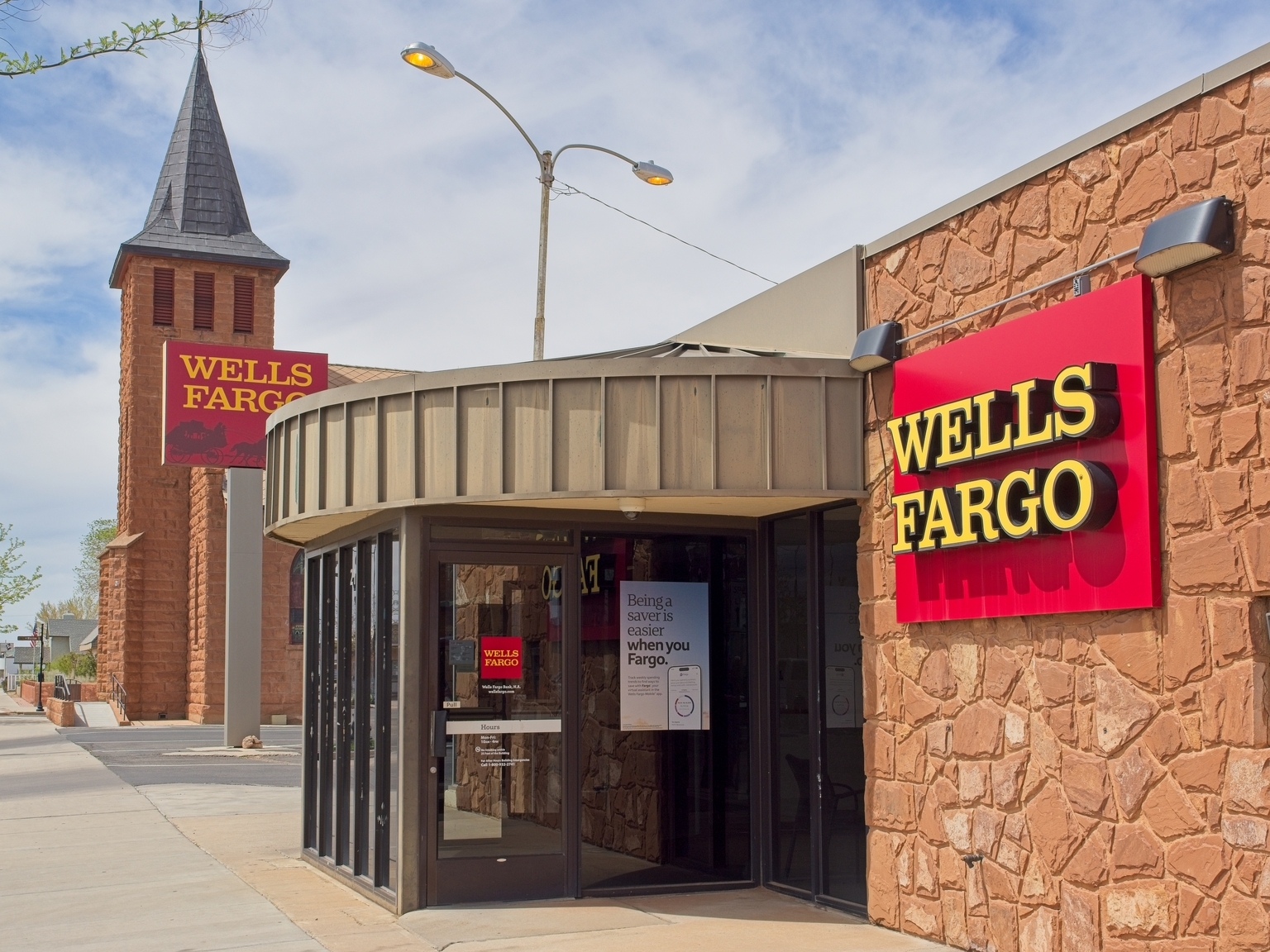
The Pendulum Swings for Wells Fargo
For nearly seven years, Wells Fargo & Company (WFC) has operated under a restrictive regulatory cloud that has severely hampered its ability to compete on equal footing with its Tier-1 peers. However, the horizon is finally clearing. With the Federal Reserve’s long-standing asset cap—imposed in the wake of the 2016 fake accounts scandal—slated for removal in June 2025, the banking giant is approaching a pivotal inflection point. For institutional traders and value-oriented investors, this development represents more than just a regulatory milestone; it is the unlocking of a dormant balance sheet.
Unshackling the Balance Sheet
Since the implementation of the $1.95 trillion asset cap, Wells Fargo has been forced to prioritize regulatory compliance and de-risking over aggressive expansion. This has effectively sidelined the bank during periods of market growth, preventing it from scaling its lending operations and investment banking footprint in the same manner as JPMorgan Chase (JPM) or Bank of America (BAC).
Starting in June 2025, the removal of this ceiling will allow the bank to deploy capital with significantly more flexibility. By expanding its balance sheet, Wells Fargo can capture a larger share of loan demand and interest-bearing assets, which have historically been the bank's bread and butter. For traders, this transition marks a shift from a 'defensive' narrative to a 'growth' narrative, as the bank regains the capacity to leverage its massive deposit base more effectively.
Strategic Implications for Investors
The market has been pricing in a gradual recovery for WFC for some time, but the upcoming expiration of the asset cap provides a tangible timeline for potential earnings growth. Investors should monitor how management plans to utilize this newfound capacity. Will they prioritize massive share buybacks to boost EPS, or will they aggressively pursue market share in commercial and consumer lending?
Historically, banks that emerge from long-term regulatory oversight periods see a 're-rating' of their valuation multiples. As the risk premium associated with regulatory uncertainty dissipates, WFC may see a compression of the discount at which it has traded relative to the broader financial sector.
What to Watch Next
As we move toward the June 2025 deadline, the primary focus for market participants will be the bank’s capital return strategy and its ability to maintain its efficiency ratio while scaling operations. Traders should look for signals in quarterly earnings calls regarding the 'exit strategy' from the cap. Any commentary suggesting that the Fed is satisfied with the current state of the bank’s internal controls and risk management infrastructure will be the ultimate green light for the stock.
While the macro environment remains sensitive to interest rate volatility and credit quality, the removal of the asset cap provides a company-specific catalyst that is largely independent of the broader Fed policy cycle. For those looking for alpha in the financial sector, Wells Fargo is increasingly looking like a setup that warrants a long-term position, provided the regulatory transition remains on schedule.