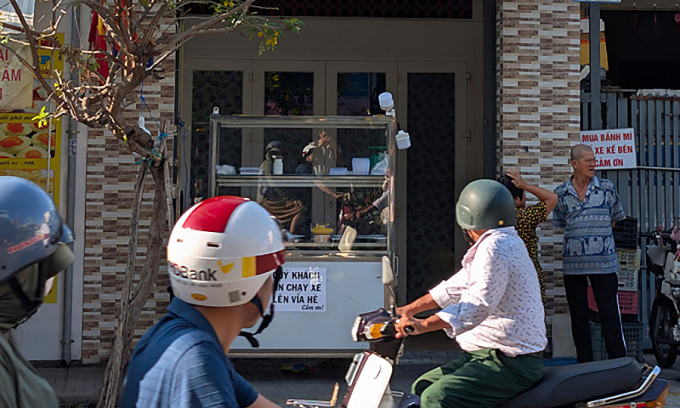
Regulatory Crackdown in Vung Tau
In a stark reminder of the operational risks inherent in the hospitality and food service sectors, authorities in Vietnam have imposed a VND32 million (approximately US$1,214) fine on the owner of a popular banh mi establishment in Vung Tau. The penalty follows a severe food poisoning outbreak that resulted in 108 individuals requiring hospitalization, prompting an urgent review of food safety compliance in the region.
The incident, which occurred in Vung Tau—now administratively classified as a ward under the jurisdiction of Ho Chi Minh City—has drawn significant attention from local health regulators. The fine, while modest in absolute terms, highlights the strict enforcement of food safety protocols mandated by the Vietnamese government to maintain public health standards in high-traffic tourist and commercial hubs.
The Anatomy of the Outbreak
The scale of the incident, with 108 cases reported, underscores the rapid transmission potential within food supply chains. When a single retail outlet experiences a failure in sanitation or ingredient sourcing, the impact on the local consumer base can be immediate and widespread. For business owners in the food and beverage (F&B) space, such events serve as a critical case study in the necessity of robust quality control and supply chain transparency.
Food poisoning outbreaks often trigger cascading effects for local businesses, including mandatory temporary closures, increased scrutiny from the Department of Health, and significant reputational damage that can erode years of brand equity. In the context of the bustling Ho Chi Minh City market, where competition is fierce and consumer trust is the primary driver of repeat business, the financial penalty is often secondary to the long-term loss of market share.
Market Implications and Risk Management
For investors and market analysts tracking the Vietnamese retail and F&B landscape, this incident highlights the underlying volatility associated with small-to-medium enterprise (SME) operations. While international chains often have standardized safety protocols and insurance coverage to mitigate the impact of such incidents, local "street food" vendors and smaller establishments frequently operate with thinner margins for error.
This event is likely to catalyze a broader series of inspections across the Ho Chi Minh City food sector. Traders and stakeholders monitoring the consumer discretionary sector should be aware that increased regulatory oversight typically leads to higher compliance costs for smaller operators, which may consolidate market share toward larger, more established restaurant chains capable of absorbing these regulatory overheads.
Looking Ahead
Public health authorities have indicated that they are continuing to monitor the situation, with a focus on identifying the specific vector of the contamination. As the investigation concludes, local business owners are being urged to tighten their food handling procedures to avoid similar penalties. For the broader market, the incident underscores the importance of operational excellence and regulatory compliance as non-negotiable pillars of long-term commercial viability in emerging Southeast Asian markets.