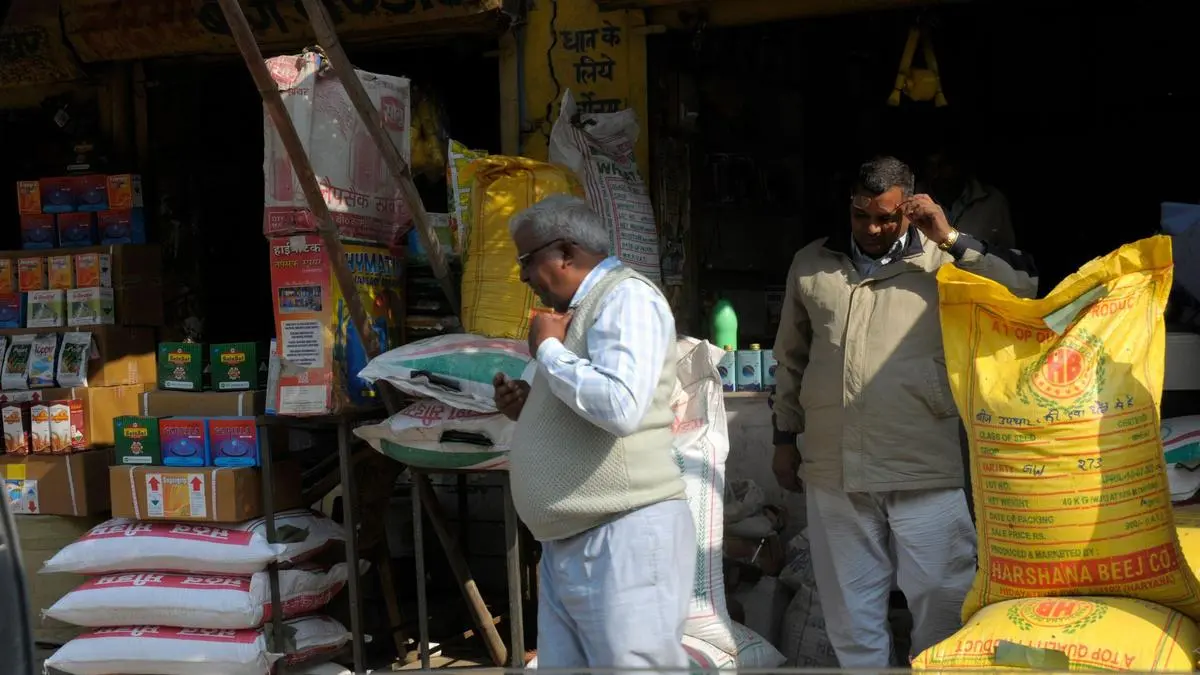
Government Intervention Targets Sales Practices
The Uttar Pradesh government has issued a formal directive prohibiting the mandatory sale of non-subsidised fertilizers to farmers. Officials state that retailers can no longer force agricultural workers to purchase additional, high-priced products as a condition for securing subsidized supplies. This move aims to protect farmers from predatory retail practices that inflate cultivation costs.
Protecting Farmer Autonomy
For years, retailers have faced accusations of tying the sale of affordable, government-backed fertilizers to less popular or expensive non-subsidised alternatives. By banning this practice, the state government seeks to restore the freedom of choice for farmers. The policy ensures that buyers can access essential inputs without being coerced into unnecessary purchases.
Impact on Agricultural Input Markets
Market observers tracking the India Launches 2.5 Million Tonne Urea Import Tender Amid Middle East Supply Disruptions report that supply chain transparency is a growing concern. While this mandate focuses on retail behavior, it highlights a broader push to stabilize costs for the agrarian sector. Traders monitoring market analysis should note how this regulatory shift affects fertilizer distribution channels.
"Farmers must retain the right to select their preferred inputs without the burden of forced tie-in sales," a state representative noted during the announcement.
Key Regulatory Changes
- Mandatory Sales Banned: Retailers are prohibited from pairing subsidized products with non-subsidized items.
- Farmer Choice: Buyers have the legal right to reject unwanted agricultural inputs.
- Enforcement: State authorities have signaled plans to monitor retail outlets for compliance.
Market Implications for Retailers
Retailers who previously relied on forced bundling to clear inventory of non-subsidised stock will need to adjust their business strategies. The directive forces a shift toward competitive pricing and quality-based sales rather than reliance on captive demand.
| Regulatory Focus | Impact Level |
|---|
| Retailer Compliance | High |
| Farmer Input Costs | Potential Reduction |
| Market Transparency | Increased |
What to Watch
Industry participants remain focused on how effectively the government enforces this ban at the district level. If successful, the policy could serve as a model for other states, potentially impacting the bottom line for companies involved in the distribution of non-subsidised fertilizers. Interested parties should also look for updates regarding potential penalties for retailers found violating these new rules.