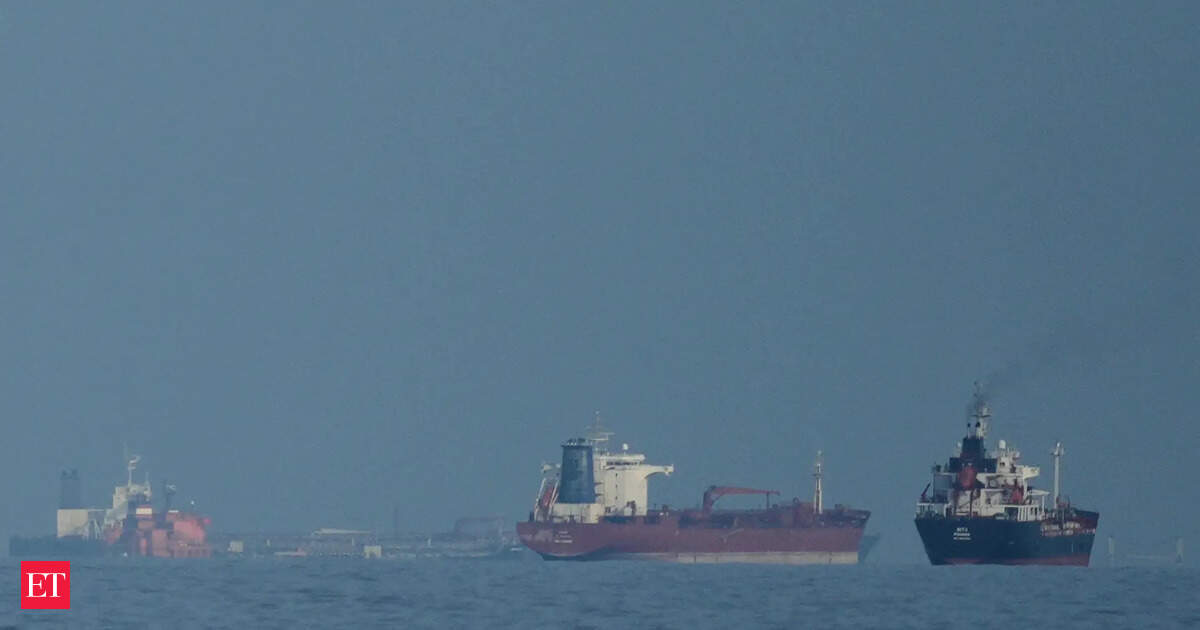
US Naval Blockade of Iran Threatens Global Energy Supply Chains

A US naval blockade of Iranian ports following failed ceasefire talks has sparked fresh concerns over global energy supply and rising oil prices. India faces particular exposure due to its reliance on Iranian crude and LPG imports.
Escalation Hits Energy Markets
Global energy markets face renewed pressure as a US naval blockade of Iranian ports begins. The move follows the collapse of recent ceasefire negotiations, raising the probability of significant disruptions to crude and LPG cargo movements. Traders are now pricing in a higher risk of stranded supplies, which typically forces energy prices upward.
The Impact on Global Logistics
Supply chains are particularly sensitive to maritime logjams. With Iranian ports effectively sealed off, the flow of oil faces immediate mechanical hurdles. This bottleneck threatens to tighten global availability at a time when markets are already reacting to geopolitical friction.
Investors tracking the crude oil profile should anticipate increased volatility as the market adjusts to these restricted supply routes. The situation mirrors past disruptions in the region, where logistical barriers quickly translated into higher premiums for energy buyers.
"A US naval blockade of Iranian ports, following failed ceasefire talks, has increased uncertainty over energy cargo movements and the risk of stranded supplies."
India’s Import Exposure
India remains a focal point for this disruption. The country relies heavily on Iranian imports to satisfy its growing domestic demand for crude oil and LPG. Any sustained blockage of these shipments creates a direct supply deficit for India's energy sector.
- Crude Oil: Immediate threats to volume stability.
- LPG Imports: Potential for local price spikes due to delivery delays.
- Logistical Costs: Rising insurance and freight rates for vessels operating in the region.
Comparative Trade Risks
| Region/Concern | Impact Level | Primary Risk |
|---|---|---|
| Global Supply | High | Price volatility |
| India Imports | Critical | Inventory shortages |
| Transit Routes | High | Cargo stranding |
Market Implications for Traders
Traders are moving to hedge against the potential for further price spikes. Because the blockade targets Iranian ports, the resulting supply squeeze is likely to sustain bullish sentiment in the energy sector. Those who follow commodities analysis recognize that forced supply reductions often trigger aggressive buying, particularly when geopolitical tensions remain unresolved.
Market participants should watch for updates on cargo clearance times and any shifts in the naval blockade strategy. If the standoff persists, the reduction in available barrels will likely exert upward pressure on benchmarks throughout the coming weeks. The primary concern remains the duration of the blockade, as longer delays will force refineries to seek alternative, more expensive sources of supply.