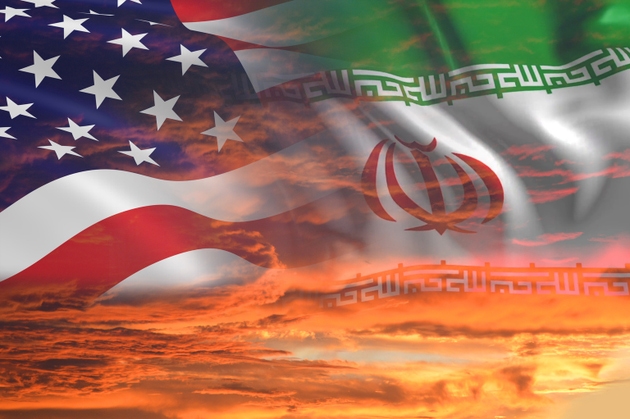
Diplomatic Channels Reopen
Washington and Tehran are weighing a second round of high-level discussions to salvage a potential ceasefire agreement. The window for diplomacy is tightening, as officials aim to finalize terms before the current April 7 truce expiration date.
This move follows recent back-channel efforts to stabilize regional tensions. Market participants tracking the SPY are monitoring these geopolitical developments closely, as any escalation in the Middle East often triggers volatility in energy costs and broader equity indices.
The Timeline and Stakes
The current ceasefire provides a fragile stability that both nations are keen to extend. With the April 7 deadline looming, the pressure to reach a consensus has intensified. Analysts suggest that the success of these talks depends on the willingness of both sides to address specific security demands that stalled previous attempts at a long-term resolution.
The prospect of a renewed ceasefire suggests a desire to avoid a wider conflict, though the history of these negotiations warns that progress remains fragile.
Key Variables for Traders
Investors should keep a close eye on how these diplomatic efforts influence global sentiment. When regional instability flares, traders often pivot toward safe-haven assets, such as those detailed in our gold profile. Conversely, disruptions in oil-producing regions can cause rapid shifts in the crude oil profile.
| Metric | Outlook |
|---|
| Truce Deadline | April 7 |
| Diplomatic Status | Under Review |
| Primary Risk | Escalation |
Market Implications
Geopolitical friction remains a primary driver of market sentiment. If the US and Iran fail to secure an extension, the resulting uncertainty could weigh on risk assets. Traders are advised to monitor the following:
- Energy Sector Volatility: Changes in supply expectations often follow diplomatic news out of the Middle East.
- Safe-Haven Demand: Heightened conflict fears typically drive capital into gold and US Treasuries.
- Index Stability: The S&P 500 (SPY) typically reacts to shifts in perceived global risk levels.
Watching the Clock
Whether the parties can bridge the gap in time for the April 7 deadline will set the tone for the coming quarter. The market is prioritizing stability, and any breakdown in communication will likely lead to rapid repricing across major asset classes. For further market analysis, investors should watch for official statements from both the State Department and Iranian representatives, as these will serve as the primary indicators of a breakthrough or an impasse.