Macro● Neutral
How Reverse Mortgages Convert Home Equity Into Retirement Cash
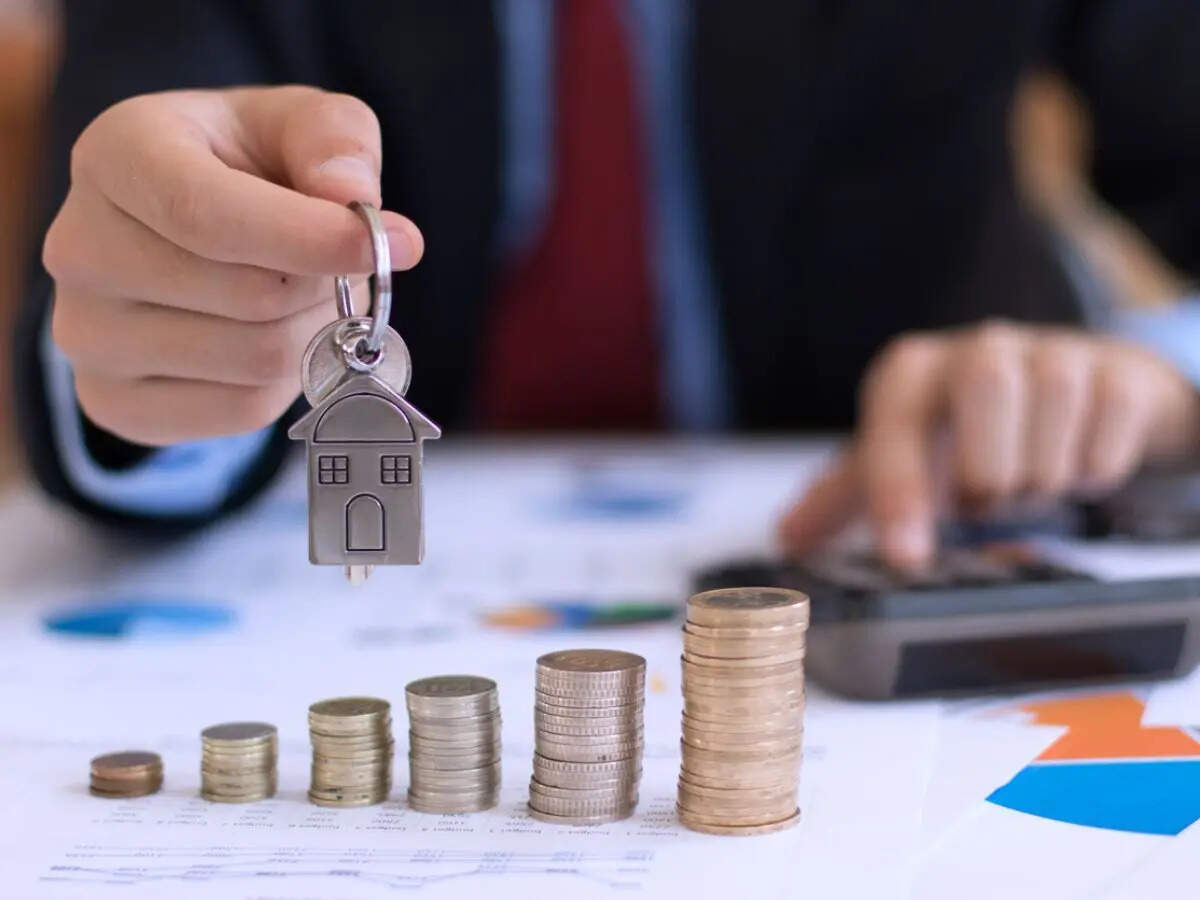
Seniors aged 60 and older can access tax-efficient funds without monthly payments. Learn how to leverage property value while retaining home ownership.
Continue with
For senior citizens seeking to supplement their retirement income, reverse mortgages offer a mechanism to convert the equity of a self-occupied residence into a steady stream of cash. Unlike a standard home loan where a borrower makes regular payments to a lender, a reverse mortgage functions in reverse: the lending institution provides funds to the homeowner based on the value of their property.
Under this arrangement, the homeowner retains the right to live in the house for the remainder of their life. The loan does not require repayment as long as the borrower continues to reside in the property as their primary home. Because the payments received from the bank are considered a loan rather than income, they are generally not subject to taxation, providing a potential tax-efficient way to manage household expenses during retirement.
Eligibility typically requires the homeowner to meet a minimum age threshold, usually 60 years or older. The amount of funding available is determined by several factors, including the market value of the property, the age of the borrower, and current interest rates. Crucially, the ownership of the house remains with the senior citizen throughout the duration of the loan. Upon the death of the borrower or if they permanently vacate the premises, the lender recovers the loan amount, typically through the sale of the asset. Any remaining equity in the home after the loan balance is settled is disbursed to the legal heirs. This financial tool allows seniors to leverage their most significant asset to maintain their standard of living without the burden of monthly mortgage installments.