Tactical Shift in Air Defense
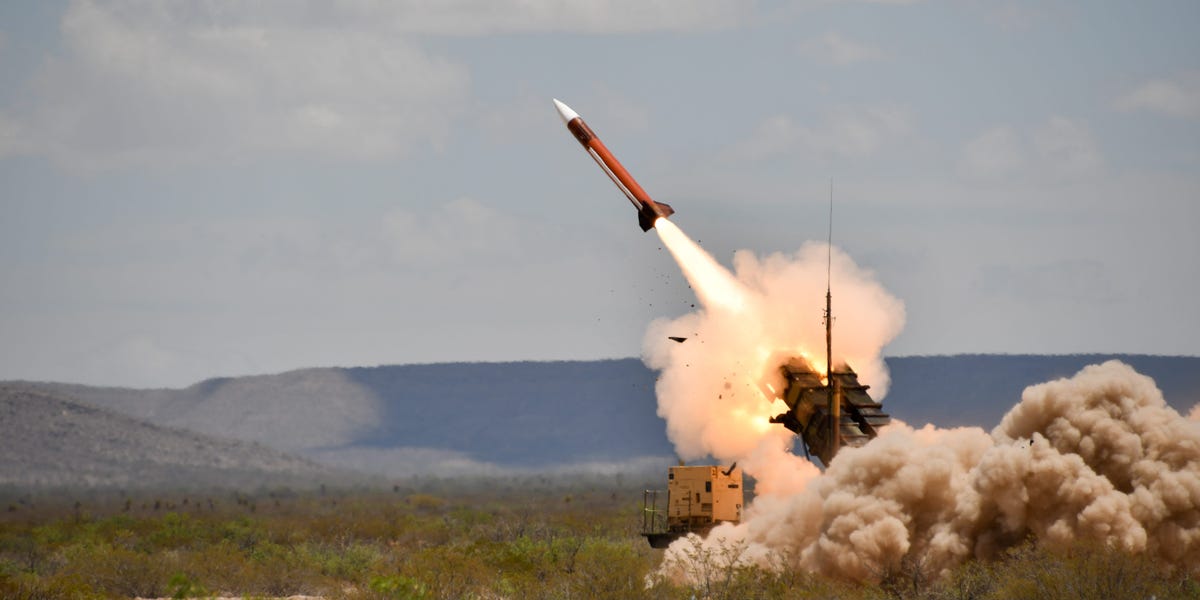
Ukrainian air defense units operating Patriot systems are discarding established military doctrine to preserve their dwindling stockpiles of interceptors. While standard operational procedure mandates firing two interceptors at every incoming target to ensure a kill, Ukrainian crews now frequently launch only one missile per threat.
This departure from the manual suggests a desperate attempt to maintain defensive coverage against Russian aerial attacks. By doubling the potential efficiency of each battery, commanders are stretching limited inventories to counter persistent threats.
The Cost of Conservation
Modern air defense relies on a high probability of kill, which is why the dual-interceptor protocol exists. By ignoring this standard, Ukrainian operators accept a higher risk that an enemy projectile may evade interception. This decision highlights the supply constraints currently plaguing the theater of war.
"Standard Patriot air defense doctrine suggests firing at least two interceptors for each incoming threat. Ukraine is launching only one."
Operational Metrics Comparison
| Operational Metric | Standard Doctrine | Current Ukrainian Practice |
|---|
| Missiles per Target | 2 | 1 |
| Kill Probability | High | Variable |
| Inventory Longevity | Short | Extended |
Market Impact for Defense Contractors
Investors tracking the commodities sector often monitor military spending and supply chain requirements for high-end hardware. The reliance on Patriot systems, manufactured by RTX, underscores the global demand for advanced interceptors. As Ukraine burns through reserves, the pressure on Western manufacturers to accelerate production timelines intensifies.
Defense analysts are watching how these consumption rates affect the broader market analysis of aerospace and defense equities. If current usage patterns persist without a replenishment surge, the procurement cycle will likely see further acceleration.
What to Watch
Traders should pay attention to future defense aid packages from the United States and NATO allies. The ability of Ukraine to sustain this one-missile-per-target strategy depends entirely on the flow of new interceptors. Any disruption in supply could force crews back to standard firing protocols, leading to a rapid depletion of remaining stocks. Watch for announcements regarding production capacity at major defense facilities in the coming months.