Macro● Neutral
Trump Tariff Threats Trigger Volatility in SEA Shipping Stocks
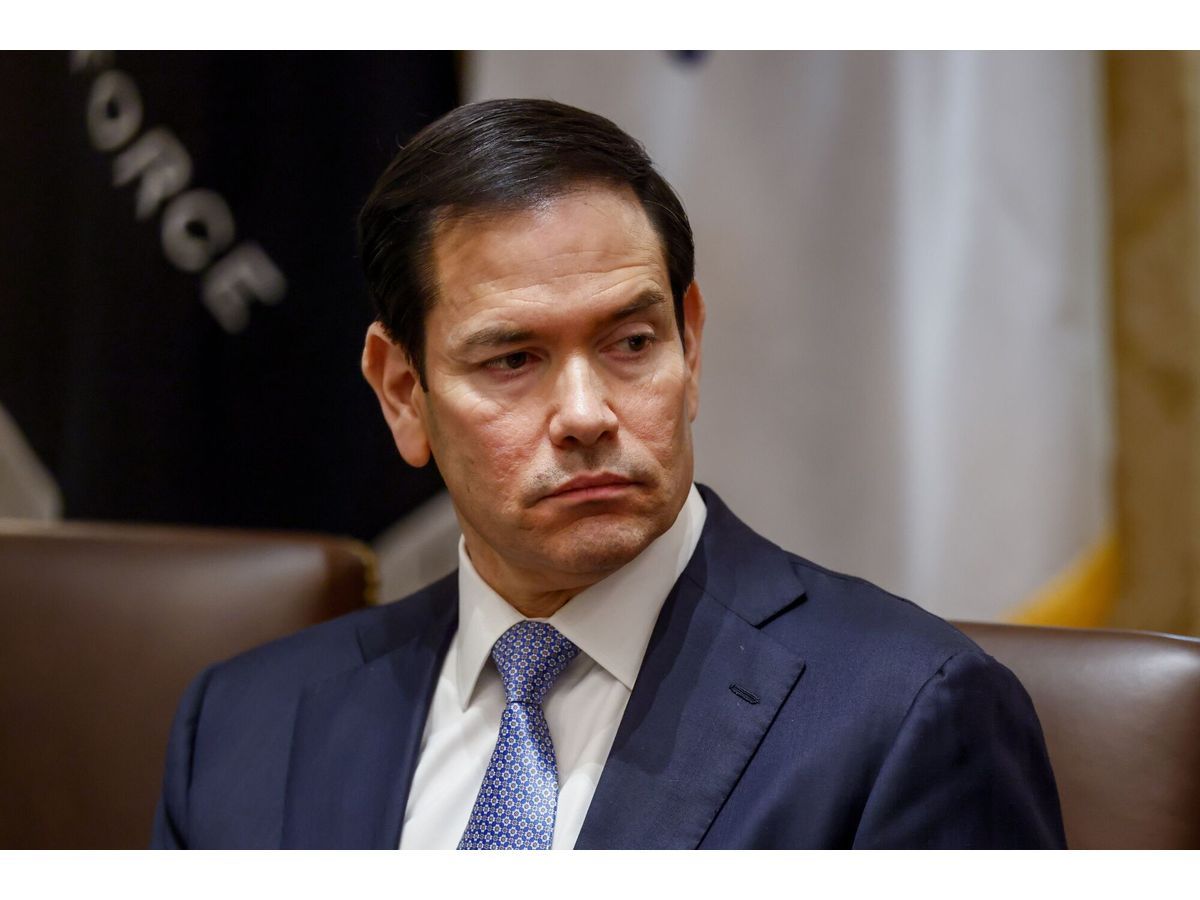
Trade policy uncertainty creates actionable setups for SEA. Use AlphaScala's 70% volatility threshold to time bearish entries before the next market shock.
Continue with
Donald Trump's unilateral trade actions aren't just geopolitical disruptions—they're a direct catalyst for volatility in the maritime shipping sector. His threats to withdraw from the World Trade Organization and impose blanket tariffs undermine the foundational US role as guarantor of open sea lanes, a premise that has long underpinned global shipping valuations. This isn't abstract risk; it translates to erratic earnings for vessel owners and a breakdown in predictable trade flows. For traders, this policy uncertainty is a signal to monitor AlphaScala's QQE MOD Enhanced indicator on shipping ETFs like SEA or individual tanker/dry bulk stocks. When the QQE MOD line turns decisively bearish while price remains range-bound, it often precedes sharp, volatility-driven moves—a classic setup for options strategies. Complement this with the LRSI + Alpha Filter on key equities; a bearish LRSI crossover confirmed by the Alpha Filter's red zone suggests sustained downward pressure, not just a temporary wobble. The actionable insight? Don't fight the policy-driven trend. Use Trump's next tariff announcement as a catalyst to initiate bearish positions in the sector, but only when AlphaScala Pro's volatility metrics (like the Average True Range percentile) spike above 70%, confirming the market is already pricing in the shock. The sector's sensitivity to geopolitical whims makes it a prime candidate for this indicator-driven, event-based trading approach.