Macro● Neutral
Trump’s Hormuz Rhetoric Risks Global Energy Market Volatility
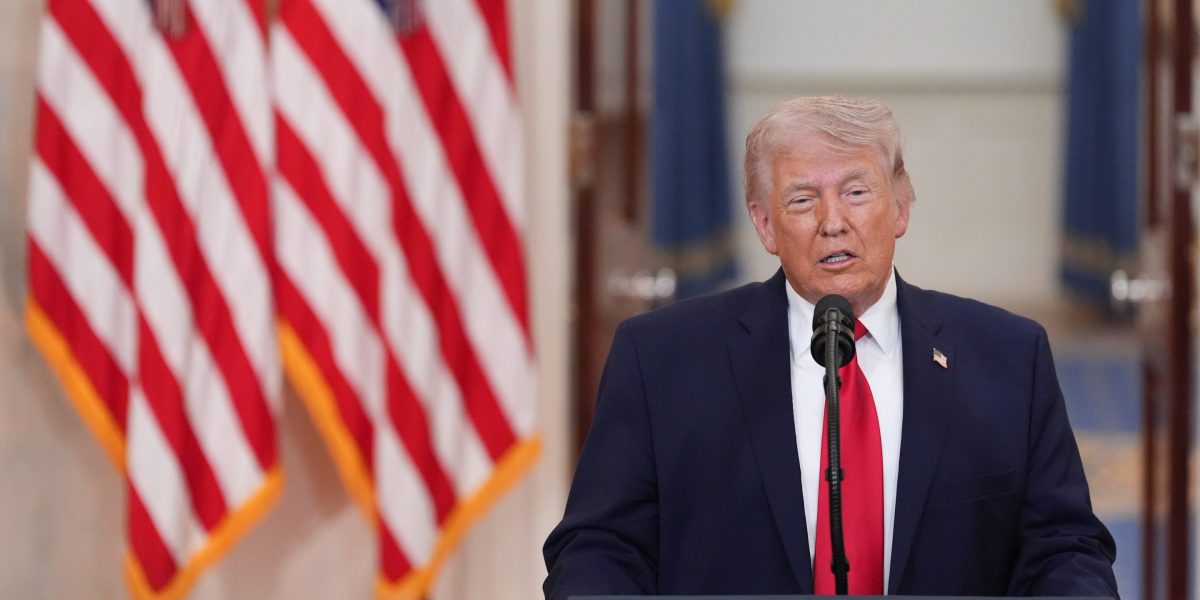
Shifting U.S. maritime policy threatens the stability of critical oil shipping lanes. Experts warn that regional disruption could force higher premiums.
Continue with
Former President Donald Trump’s rhetoric regarding the security of global maritime corridors is raising alarms among international observers. Analysts warn that any failure to guarantee freedom of navigation within the Strait of Hormuz could establish a dangerous precedent that undermines the stability of essential shipping lanes worldwide.
The Strait of Hormuz serves as a critical artery for global energy supplies, with a significant portion of the world’s oil production passing through the narrow passage. Critics of Trump’s approach argue that signaling a retreat from the U.S. role as the primary guarantor of maritime security invites geopolitical instability. The consensus among maritime security experts is that the U.S. has historically maintained these routes to ensure consistent global trade and energy security.
Concerns are mounting that a shift in American policy could embolden regional actors to disrupt traffic, leading to increased volatility in energy markets. According to policy experts, the integrity of international shipping is not localized; rather, the protection of one major chokepoint is fundamental to upholding the broader principle of freedom of navigation elsewhere. If the U.S. abdicates its traditional role in the Persian Gulf, observers fear it may signal a broader withdrawal from international commitments, potentially forcing other nations to seek alternative security arrangements or accept higher risk premiums on global shipping routes.